How AI Can Help SMBs Optimize Inventory Management
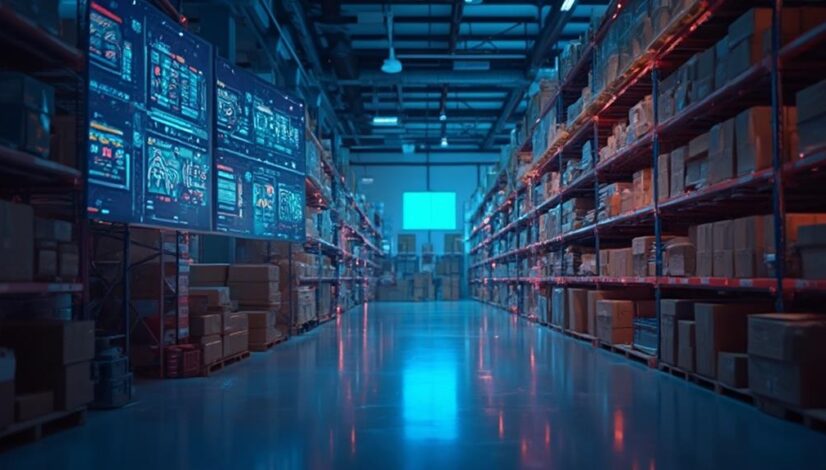
AI greatly enhances inventory management for small and medium-sized businesses (SMBs) by improving demand forecasting accuracy and automating stock replenishment. Utilizing predictive analytics, AI can analyze historical sales data and market trends to optimize inventory turnover and align stock levels with customer demand. Automated systems reduce the risks of overstocking and stockouts, fostering operational efficiency and cost reduction. Additionally, AI-driven reporting tools provide actionable insights through real-time data visualization, enabling informed decision-making. This strategic integration not only promotes agility in operations but also positions SMBs for better competitiveness in an evolving market landscape. Further insights await exploration.
Key Takeaways
- AI enhances demand forecasting accuracy, enabling SMBs to anticipate customer needs and reduce excess inventory effectively.
- Automated stock replenishment systems utilize real-time data, minimizing stockouts and ensuring optimal inventory levels based on consumption patterns.
- Predictive analytics analyzes historical sales and market trends, supporting informed inventory decisions that align with demand fluctuations.
- AI-driven insights and reporting tools provide actionable data visualizations, improving operational efficiency and aiding inventory planning.
- Integration of AI in inventory management fosters stronger vendor relationships, reducing lead times and stabilizing order fulfillment processes.
Understanding Inventory Challenges

Inventory management poses notable challenges for small and medium-sized businesses (SMBs), requiring a strategic approach to optimize efficiency and meet customer demands. Central to this challenge is the intricate relationship within the supply chain, where the interplay between suppliers and inventory levels can greatly impact both costs and service levels.
Effective inventory turnover is essential, as it reflects how well a business can convert stock into sales, ultimately influencing cash flow and profitability.
Seasonal fluctuations exacerbate inventory challenges, necessitating meticulous capacity planning to guarantee adequate stock during peak periods without overcommitting resources. Failure to address these fluctuations can lead to stock discrepancies, which may result in excess inventory that ties up working capital and incurs unnecessary storage costs.
In addition, regular stock audits are vital to maintain accurate inventory valuation and to identify any variances that could reflect deeper issues in the supply chain.
Building strong vendor relationships plays a pivotal role in managing inventory effectively, as reliable suppliers can help stabilize order fulfillment and reduce lead times. Conversely, poor vendor performance can lead to stockouts or surplus inventory, directly impacting sales and customer satisfaction.
By proactively analyzing these factors and implementing strategies—such as just-in-time inventory systems—SMBs can navigate the complexities of inventory management, enhance operational efficiency, and better align their operations with market demands.
Therefore, addressing these challenges is not just about efficient management but also about positioning the business for long-term success and resilience in a competitive marketplace.
Role of AI in Inventory Management
The integration of AI into inventory management greatly enhances demand forecasting accuracy, enabling businesses to predict customer needs with greater precision.
Additionally, automated stock replenishment systems driven by AI algorithms guarantee ideal inventory levels, reducing both excess stock and shortages.
This strategic application of AI not only streamlines operations but also empowers small and medium-sized businesses to make data-driven decisions that improve overall efficiency.
Demand Forecasting Accuracy
Accurate demand forecasting stands as a pivotal element in effectively managing inventory, particularly for small and medium-sized businesses (SMBs) seeking to enhance operations and improve profitability. Leveraging AI technologies, SMBs can analyze historical sales data and identify seasonal trends, allowing for better anticipation of shifts in consumer behavior tied to various market fluctuations.
AI enhances the understanding of product lifecycles, enabling businesses to predict the demand curve throughout different stages, thereby aligning inventory turnover with actual market needs.
Moreover, integrating economic indicators and competitor analysis provides an extensive view of potential market developments. By considering promotional impacts and their historical effectiveness, AI can identify patterns that might influence demand spikes.
Incorporating these insights into inventory management not only improves accuracy but also bolsters supply chain dynamics, ensuring that stock levels are ideal. This strategic foresight empowers SMBs to reduce excess inventory while simultaneously preventing stockouts, ultimately contributing to enhanced cash flow and profitability.
Automated Stock Replenishment
Automated stock replenishment systems represent a transformative shift in how small and medium-sized businesses (SMBs) manage their inventory levels. These systems leverage artificial intelligence to streamline inventory tracking, ensuring that stock levels align with actual consumption patterns without the need for constant manual oversight.
By analyzing historical sales data, seasonal trends, and variable demand factors, AI drives efficient restocking processes that adapt in real time. Moreover, automated replenishment systems can optimize the supply chain by predicting when and how much stock to reorder.
This proactive approach minimizes the risks associated with overstocking and stockouts, empowering SMBs to maintain operational continuity while freeing up capital for other business endeavors. Additionally, by integrating into existing inventory management frameworks, these systems enhance decision-making with actionable insights and analytics.
This not only facilitates a more responsive supply chain but also fosters a more agile business culture. As SMBs navigate an increasingly competitive landscape, the implementation of automated stock replenishment offers a strategic advantage, enhancing both operational efficiency and customer satisfaction.
Ultimately, embracing this technology positions SMBs to thrive in a dynamic market environment.
Predictive Analytics for Demand Forecasting
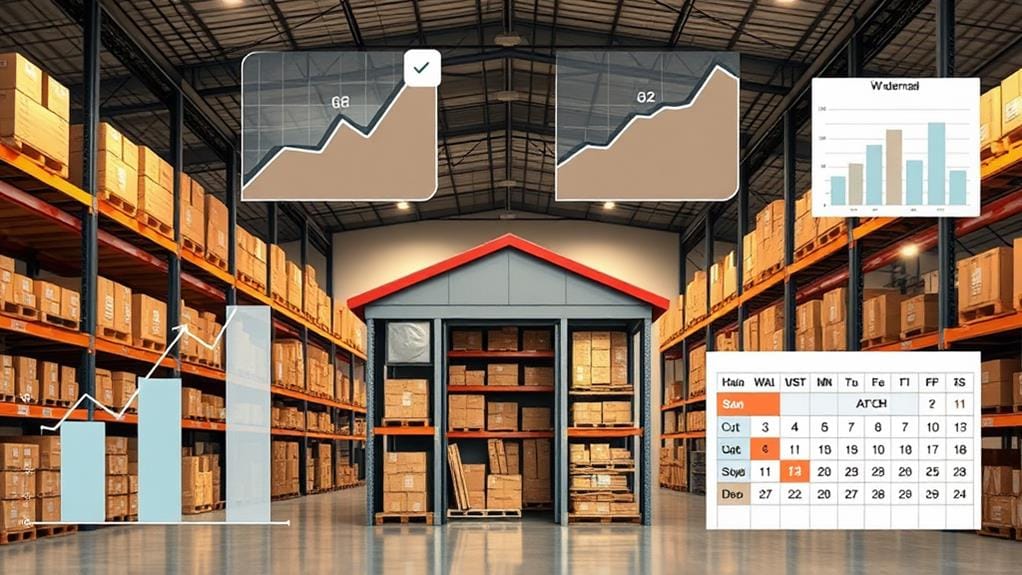
Utilizing predictive analytics for demand forecasting can greatly enhance inventory management for small and medium-sized businesses (SMBs). By employing this technology, SMBs can effectively analyze historical sales patterns and customer behavior, providing insights into market trends that influence their supply chain. This analytical approach allows businesses to anticipate seasonal fluctuations in demand, thereby reducing potential stockouts or overstock situations that can impair inventory turnover.
Data integration plays an essential role in the success of predictive analytics. By consolidating various data sources, such as sales history, market research, and competitor analysis, SMBs can develop a more thorough view of their inventory needs. This strategically informed perspective empowers businesses to make well-grounded decisions, enhancing risk management and ensuring that they adapt swiftly to changing market circumstances.
Moreover, technology adoption is paramount. With advanced algorithms capable of interpreting vast datasets, SMBs can identify patterns that would be difficult to discern through traditional methods. This capability not only fosters agility in supply chain management but also enables businesses to leverage insights for targeted marketing strategies, ensuring that they cater to their customers' needs more effectively.
Automation in Stock Replenishment
Automation in stock replenishment can considerably enhance inventory management by leveraging improved demand forecasting and streamlined order processing.
Improved Demand Forecasting
Accurate demand forecasting plays an essential role in inventory management, particularly for small and medium-sized businesses (SMBs) working to enhance their stock levels. By employing AI-enhanced models, SMBs can analyze complex data sets and extract meaningful insights about customer behavior and sales patterns. This analytical approach allows businesses to recognize seasonal trends and market fluctuations that are pivotal for ensuring ideal inventory turnover.
AI systems can also evaluate the product lifecycle, allowing SMBs to anticipate shifts in consumer preferences over time. Through understanding the promotional impact associated with various strategies, these businesses can better predict spikes in demand and align their stock accordingly. Additionally, leveraging economic indicators provides deeper insights into external factors that might affect sales, further refining forecast accuracy.
Moreover, AI enables businesses to monitor supplier reliability dynamically, ensuring stock replenishment aligns with available resources. Ultimately, improved demand forecasting empowers SMBs to maintain the delicate balance between excess inventory and stockouts, enhancing operational efficiency and customer satisfaction in a competitive landscape.
Streamlined Order Processing
Efficient order processing is essential for small and medium-sized businesses (SMBs) aiming to enhance their inventory management practices. By automating stock replenishment, SMBs can greatly improve both order fulfillment and inventory visibility, transforming a traditionally manual process into a streamlined operational workflow.
Automation technologies leverage real-time data to predict stock levels and optimize order timing, ensuring that products are replenished precisely when needed. This proactive approach mitigates the risks of stockouts or overstocking, thereby reducing carrying costs and enhancing cash flow.
Furthermore, the integration of AI-driven systems allows for real-time tracking of inventory levels across multiple channels, offering SMBs unparalleled visibility into their stock. Improved inventory visibility not only empowers companies to make informed purchasing decisions but also enhances their ability to respond swiftly to market demands.
As a result, streamlined order processing fosters improved customer satisfaction, as orders are fulfilled more accurately and expeditiously.
Embracing this automation not only liberates resources for strategic initiatives but also positions SMBs to thrive in an increasingly competitive landscape by ensuring agile and reliable inventory management.
Enhanced Data Insights and Reporting
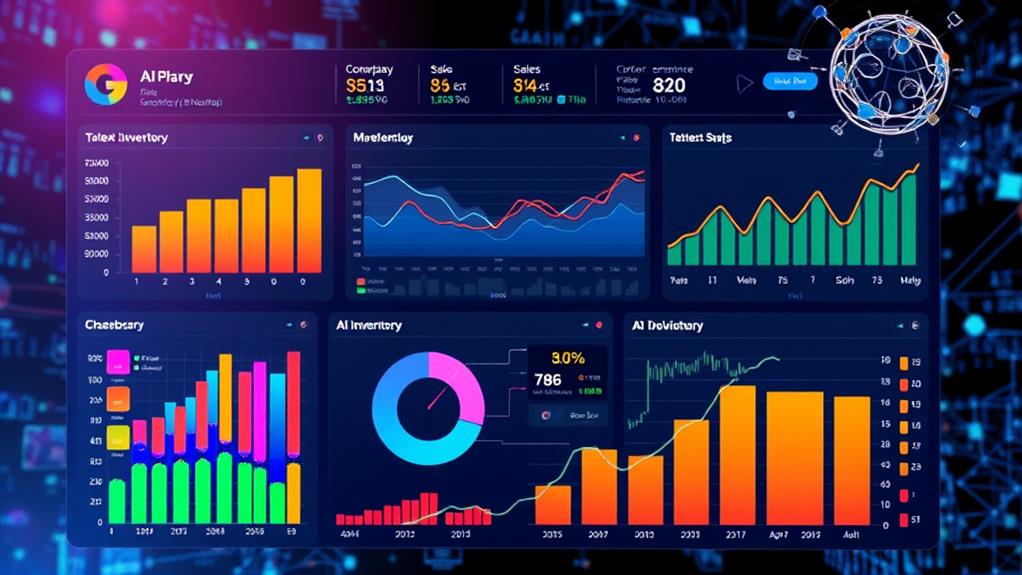
In today's data-driven business landscape, the ability to harness and analyze inventory data is paramount for small and medium-sized businesses (SMBs). Enhanced data insights and reporting powered by artificial intelligence (AI) provide SMBs with the tools needed to gain a competitive edge.
With AI-driven platforms, businesses can leverage robust data visualization techniques to convert raw inventory metrics into comprehensible graphical representations, enabling teams to glean actionable insights quickly.
By utilizing advanced reporting tools, SMBs can track critical performance indicators, ensuring that decision-makers have real-time access to essential information. Key benefits include:
- Analytical dashboards that consolidate various inventory data sets for easy monitoring
- Trend analysis capabilities that help identify patterns over time, aiding in forecasting and demand planning
- Data integration systems that unify disparate inventory sources, enhancing accuracy and consistency
- Insights generation processes that utilize machine learning algorithms to uncover hidden opportunities and potential risks
These functionalities support strategic decision-making through effective business intelligence practices. The result is an empowered organization that adapts quickly to changes in the market.
With AI applications offering sophisticated decision support, businesses can optimize inventory management practices, thereby enhancing operational efficiency. Ultimately, the use of data-driven insights positions SMBs to not only streamline their inventory processes but also foster sustainable growth and resilience in an increasingly fluctuating economic environment.
Cost Reduction Strategies With AI
As competition intensifies in the SMB landscape, finding avenues for cost reduction while maintaining operational excellence has become imperative. In this situation, AI technologies emerge as transformative forces capable of driving cost efficiency and streamlining inventory management processes.
By leveraging advanced algorithms and data analysis, SMBs can achieve enhanced waste reduction and resource optimization in their inventory practices. AI facilitates improved inventory turnover rates through predictive analytics, which enable businesses to anticipate demand fluctuations and identify ideal stock levels.
This level of insight empowers companies to minimize excess inventory, thereby reducing holding costs and the risk of obsolescence. Additionally, engaging in supplier collaboration through AI-integrated platforms can foster better relationships, promoting favorable terms that further enhance cost control.
The technology integration of AI into inventory systems also allows for accurate financial forecasting. With precise projections of inventory needs based on historical data and market trends, SMBs can allocate resources strategically, preventing financial leakage associated with overstocking or stockouts.
This holistic approach enhances operational efficiency, ultimately leading to greater profitability.
Future Trends in AI and Inventory
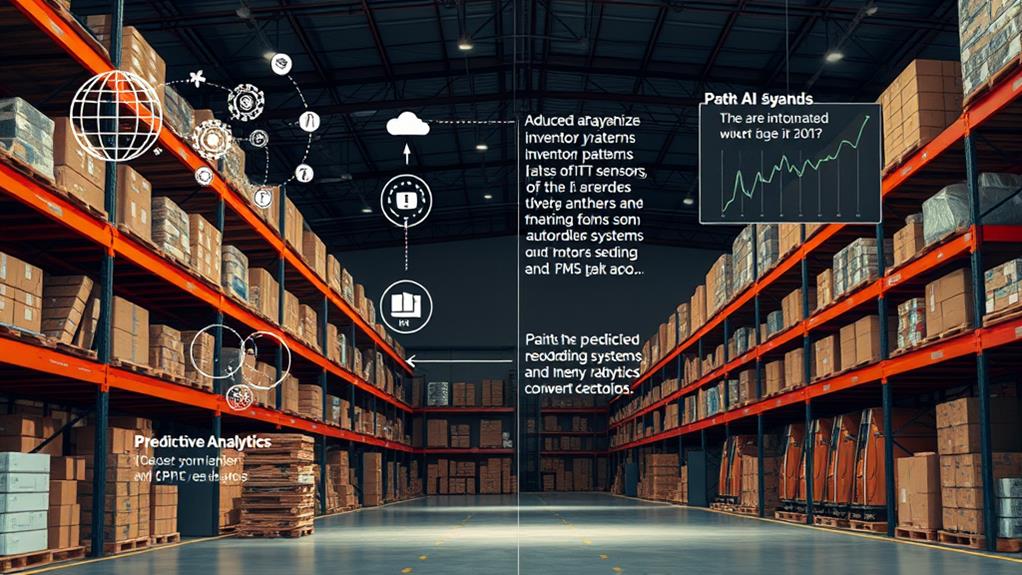
While the current application of AI in inventory management presents significant advantages for SMBs, emerging trends indicate a transformative future shaped by increasingly sophisticated technologies. As AI advancements continue to integrate with supply chain operations, businesses are positioned to leverage enhanced efficiency and responsiveness.
The following trends are poised to revolutionize inventory management:
- Machine Learning: By utilizing machine learning algorithms, SMBs can predict demand fluctuations more accurately, ensuring ideal stock levels and reducing overstock scenarios.
- Real-Time Analytics: Instant access to real-time analytics will enable firms to make informed decisions rapidly, adapting to market dynamics and shifts in consumer behavior.
- Technology Integration: Seamless integration between various technological tools will create a cohesive inventory management system, allowing for streamlined processes and improved data sharing across departments.
- Sustainability Practices: As sustainability becomes a growing consumer concern, incorporating AI-driven inventory solutions can enhance environmentally responsible practices, such as reducing waste and optimizing resource allocation.
In addition, the digital transformation initiated by AI will empower SMBs to respond swiftly to changing market demands. Companies that embrace these trends are likely to experience greater adaptability and competitive advantages in an ever-evolving marketplace.
To capitalize on these exciting opportunities, SMBs must stay attuned to the latest technology and continually refine their operational approach. This strategic focus will not only enhance inventory management but will also lead to long-term success in a landscape defined by rapid change.
Frequently Asked Questions
How Does AI Improve Supplier Relationship Management for Smbs?
AI considerably enhances supplier relationship management for small and medium-sized businesses (SMBs) through improved supplier collaboration and advanced data analytics.
By leveraging AI technologies, SMBs can analyze communication patterns and performance metrics, enabling more strategic decision-making and fostering stronger partnerships.
Enhanced data visibility allows companies to identify trends and address issues promptly, ultimately leading to greater efficiency, reduced costs, and improved service levels.
This, in turn, empowers businesses to operate with greater autonomy and flexibility.
Can AI Assist With Seasonal Inventory Fluctuations Effectively?
Businesses can truly navigate the complexities of seasonal demand with precision. AI effectively addresses this challenge by leveraging predictive analytics to forecast inventory fluctuations.
By analyzing historical sales data, market trends, and external factors, businesses can anticipate changes in demand with greater accuracy. This strategic approach enables companies to optimize stock levels, minimize excess inventory, and respond proactively to seasonal shifts.
Ultimately, this empowers them to achieve operational efficiency and meet customer needs more effectively.
What Are the Common Misconceptions About AI in Inventory Management?
Common misconceptions about AI in inventory management include the belief that it guarantees data accuracy and cost efficiency without significant effort.
Many underestimate the implementation challenges associated with technology integration, often overlooking necessary employee training.
Additionally, concerns about scalability issues might lead businesses to dismiss AI prematurely, failing to recognize its adaptive potential.
Understanding these complexities is essential for organizations seeking to leverage AI effectively while maintaining operational freedom and strategic agility.
How Can SMBS Start Implementing AI for Inventory Today?
Envision a bustling warehouse humming with efficiency; this can be a reality for SMBs embracing AI tools today.
Initiate the journey by leveraging data analysis for precise demand forecasting, allowing for effective real-time tracking.
Prioritize process automation to streamline operations and enhance cost reduction.
Utilize available training resources to overcome integration challenges, ensuring a smooth changeover.
What Industries Benefit the Most From Ai-Driven Inventory Optimization?
Industries that gain the most from AI-driven inventory optimization include retail and manufacturing.
In retail optimization, AI enhances demand forecasting and streamlines restocking processes, enhancing customer satisfaction while minimizing waste.
Meanwhile, in manufacturing, AI boosts efficiency by ensuring that raw materials are available precisely when needed, reducing downtime and production costs.
These strategic applications enable businesses to leverage inventory as a competitive advantage, fostering operational freedom and responsiveness to market dynamics.
Conclusion
In the domain of inventory management, the integration of artificial intelligence emerges as a transformative force. By illuminating pathways toward efficiency and accuracy, AI serves as a guiding star, enabling small and medium-sized businesses to navigate the complexities of stock management. Predictive analytics and automation yield not only cost efficiency but also a deeper understanding of consumer behavior. As AI continues to evolve, it promises to usher in an era of unprecedented inventory optimization, reshaping industry landscapes.