How AI Implementation Is Boosting SMB Productivity
AI implementation is revolutionizing productivity for small and medium-sized businesses (SMBs) by automating routine tasks and enhancing operational efficiency. These technologies reduce human error, enable data-driven decision-making, and allow teams to focus on strategic initiatives. Automation improves collaboration and accelerates workflows, freeing up valuable time for creative problem-solving. Furthermore, AI-driven insights enhance customer engagement through personalized interactions, fostering loyalty. As SMBs embrace these innovations, they position themselves for sustained growth and market responsiveness. Exploring specific case studies and applications reveals how strategic AI adoption can release even greater potential for your business.
Key Takeaways
- AI automation enhances operational efficiency by reducing human error, resulting in time and cost savings for SMBs.
- Predictive analytics provides SMBs with insights to foresee trends and make informed decisions, promoting agility in a changing market.
- Streamlining routine tasks through AI maximizes productivity, allowing employees to focus on strategic initiatives that foster growth and innovation.
- AI-driven customer engagement tools, like chatbots, improve interactions, enabling personalized messaging that meets evolving customer expectations.
- Enhanced collaboration tools powered by AI improve communication, fostering creativity and resulting in a cohesive and engaged workforce.
Understanding AI in SMBs
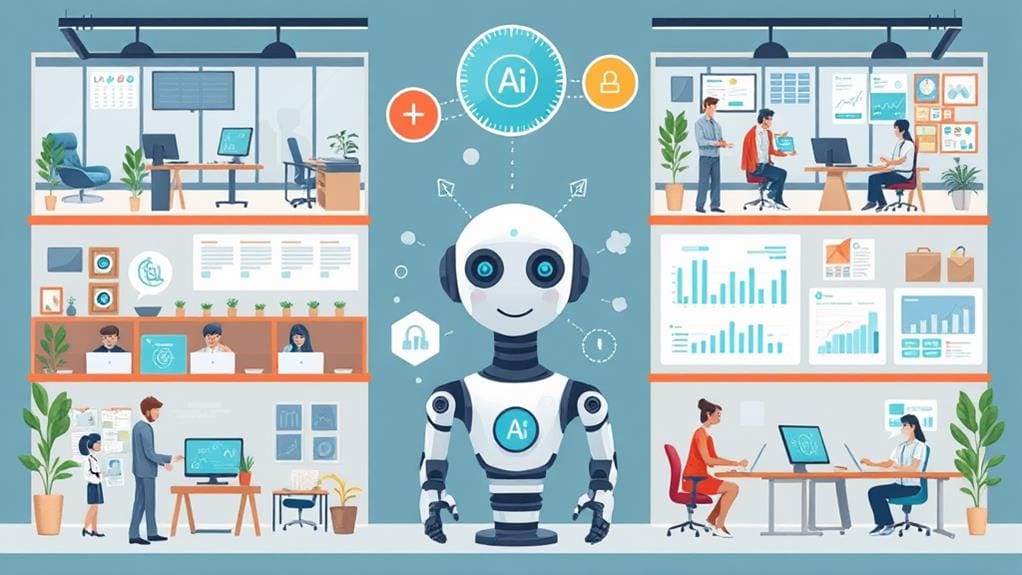
How can small and medium-sized businesses (SMBs) effectively harness the power of artificial intelligence (AI) to enhance their operations? The first step is addressing the myriad of AI misconceptions that often hinder SMBs from exploring its potential. Many business owners mistakenly perceive AI as an exclusive domain for large corporations, overlooking its scalability and adaptability for smaller enterprises. This misconception prevents SMBs from leveraging AI solutions tailored to their specific needs.
In reality, the challenges SMBs face—limited resources, manpower, and time—can be mitigated by AI technologies that streamline workflows, optimize processes, and enhance decision-making through data-driven insights. For instance, AI can automate repetitive tasks, freeing employees to focus on higher-value activities.
Furthermore, organizations can employ AI tools to analyze customer data, improving service delivery and tailoring marketing strategies, ultimately fostering customer loyalty.
However, understanding the nature of these tools is essential. SMBs must discern between applications that genuinely solve operational issues and those that promise more than they deliver. This discerning approach requires investment in education and training regarding AI capabilities, ensuring that decision-makers are informed and aligned with technology that sustains growth.
Benefits of AI Automation
AI automation presents a transformative opportunity for small and medium-sized businesses by enhancing operational efficiency and enabling streamlined task management.
By automating repetitive tasks, organizations can optimize resource allocation and reduce human error, ultimately leading to significant time and cost savings.
As SMBs adopt these technologies, they position themselves to focus on strategic initiatives that drive growth and innovation.
Enhanced Operational Efficiency
The integration of automation technologies has become a game-changer for small and medium-sized businesses (SMBs), unfastening unprecedented levels of operational efficiency. By leveraging artificial intelligence, businesses can achieve remarkable process optimization that allows them to streamline their operations and focus on what truly matters—growth and innovation.
Workflow automation is at the heart of this transformation. Businesses can now automate redundant tasks, minimize human error, and allocate resources more effectively. This not only accelerates turnaround times but also enhances accuracy, fostering a culture of excellence that employees and customers alike can appreciate.
As repetitive tasks are seamlessly handled through AI-driven systems, team members are liberated to engage in strategic initiatives, creativity, and critical problem-solving.
Moreover, embracing these technologies allows SMBs to be adaptable and responsive to market changes. With insights generated through robust data analytics, businesses can refine their strategies and pivot as necessary, ensuring they remain competitive and agile.
In essence, automation empowers SMBs by reducing operational bottlenecks, facilitating innovative workflows, and ultimately promoting a more liberating working environment where every team member can thrive and contribute meaningfully to the company's vision.
Streamlined Task Management
Efficiency in task management has emerged as a pivotal advantage for small and medium-sized businesses (SMBs) embracing AI automation. By leveraging advanced technologies, these organizations can implement effective task prioritization strategies that guarantee essential tasks receive the necessary attention while minimizing employee overwhelm.
With AI systems analyzing workflows in real-time, businesses can identify automatable repetitive tasks, thereby freeing their workforce to focus on higher-value activities.
AI-driven insights facilitate workflow optimization techniques, enabling SMBs to streamline processes and enhance collaboration. For instance, project management tools integrated with AI can predict project timelines and resource allocation needs, allowing managers to allocate tasks based on priority and urgency seamlessly. This not only boosts overall productivity but also cultivates a culture of efficiency that empowers employees to reclaim their time.
As SMBs adopt these advancements, they pave the way for a work environment that values both autonomy and productivity. The result is a harmonious blend of human creativity and machine efficiency—one that aligns with the aspirations of those seeking the freedom to innovate while excelling in their fundamental business objectives.
In this era of transformation, streamlined task management becomes not merely an option, but a necessity for sustainable growth and success.
Data-Driven Decision Making

How can small and medium-sized businesses (SMBs) leverage data to drive impactful decision-making? During a time when information is abundant, the strength lies in effectively harnessing data. Through the intelligent application of predictive analytics, SMBs can foresee trends, identify opportunities, and mitigate risks, thereby enhancing their strategic posture.
By analyzing historical data and recognizing patterns, businesses can make informed choices that not only navigate uncertainty but also capitalize on potential growth.
Moreover, data visualization plays a pivotal role in this process. It transforms complex datasets into clear, intuitive representations, enabling decision-makers to grasp insights rapidly and accurately. Instead of wading through reams of numbers, stakeholders can quickly interpret trends, track performance metrics, and assess the effectiveness of strategies through visually engaging dashboards and charts.
This transformation fosters a culture of transparency and informed discussion, empowering teams to initiate solutions that align closely with organizational goals.
Furthermore, embracing a data-driven approach fosters agility—a critical advantage for SMBs operating in competitive markets. By remaining responsive to real-time data signals, these businesses can pivot strategies effectively, adapting to market changes and evolving customer demands.
In this situation, the freedom derived from data becomes a powerful tool, allowing SMBs to innovate continuously, create value for their clients, and forge pathways to sustainable success.
Ultimately, through predictive analytics and data visualization, SMBs not only enhance decision-making but also cultivate a strategic advantage that fuels growth in an ever-evolving landscape.
Enhancing Customer Engagement
In today's digital landscape, enhancing customer engagement has become a critical focus for small and medium-sized businesses (SMBs) aiming to differentiate themselves from competitors. The integration of artificial intelligence (AI) offers a transformative opportunity for SMBs to create deeper, more meaningful interactions with their clientele.
By leveraging data analytics, SMBs can deploy personalized messaging that resonates with consumers on an individual level. Tailored communication reflects understanding and recognition of customer preferences, leading to higher levels of satisfaction and loyalty.
AI-powered platforms enable businesses to gather and analyze customer feedback with unprecedented speed and accuracy. This real-time data not only highlights customer sentiments but also illuminates areas for improvement, enabling SMBs to adapt quickly to shifting demands.
By actively responding to customer input, businesses can foster an environment of open dialogue, reinforcing their commitment to serve customer needs effectively.
Moreover, the use of chatbots and AI-driven customer service tools enhances engagement by providing immediate support, answering inquiries, and guiding customers through their decision-making processes. These technologies help guarantee that consumers feel valued, supported, and engaged throughout their journey.
Ultimately, the strategic implementation of AI in promoting personalized messaging and harnessing customer feedback equips SMBs with the tools necessary to elevate their customer engagement efforts.
During a time when customer expectations are continually evolving, adopting AI solutions is not merely an option; it is imperative for SMBs seeking to thrive in a competitive market.
Streamlining Operations

Streamlining operations is essential for small and medium-sized businesses aiming to maximize productivity.
By automating routine tasks, enhancing data processing capabilities, and improving collaboration tools, organizations can greatly reduce inefficiencies and allocate resources more effectively.
This transformation not only boosts operational speed but also fosters a more agile work environment conducive to innovation and growth.
Automating Routine Tasks
The growing adoption of AI technologies has revolutionized the way small and medium-sized businesses (SMBs) approach their daily operations, particularly in the area of automating routine tasks. By leveraging AI capabilities, SMBs can implement effective task prioritization strategies that greatly enhance productivity. These strategies facilitate the identification of high-impact tasks, allowing teams to concentrate their efforts where they matter most.
Moreover, AI-driven tools enable seamless workflow optimization techniques, ensuring that processes are both efficient and agile. For instance, routine administrative duties such as scheduling, invoicing, and data entry can be automated, freeing up valuable time for employees to focus on higher-value activities, like strategic planning and customer engagement.
This shift not only boosts efficiency but also fosters a more dynamic work environment where creativity and innovation can thrive. Ultimately, the automation of routine tasks empowers SMBs to scale their operations without the proportional increase in resources.
This newfound operational efficiency cultivates a culture of freedom, enabling businesses to adapt and flourish in an increasingly competitive landscape. By integrating AI into their daily operations, SMBs position themselves for sustained growth and success.
Enhanced Data Processing
Leveraging AI's capabilities not only aids in automating routine tasks but also greatly enhances data processing, which is pivotal for streamlining operations within SMBs. By harnessing advanced techniques in data analysis and machine learning, small and medium businesses can transform vast amounts of data into actionable insights.
Predictive analytics empowers these organizations to anticipate trends and make informed decisions, thereby positioning themselves ahead of the competitive curve.
The efficacy of data integration tools allows SMBs to consolidate information across various platforms, creating a unified data ecosystem. This seamless integration simplifies the process of data visualization, enabling stakeholders to interpret complex data sets intuitively.
In addition, real-time insights facilitate agile responses to market dynamics, ensuring businesses remain responsive and resilient.
Amid these advancements, a focus on information security and data governance cannot be overlooked. Implementing robust protocols safeguards sensitive information while maintaining compliance with regulations.
Improved Collaboration Tools
As organizations endeavor to enhance productivity, the importance of improved collaboration tools in facilitating seamless communication among team members cannot be overstated. The integration of collaborative platforms fundamentally transforms team communication, enabling real-time feedback and efficient project management practices.
These tools are essential for fostering digital teamwork, particularly in environments characterized by remote collaboration.
With cloud integration, shared workspaces become accessible to cross-functional teams, allowing for uninterrupted access to resources and information. Employees can engage in virtual brainstorming sessions that break geographical barriers, encouraging creativity and idea exchange in a more egalitarian setting.
This democratization of input not only enriches the decision-making process but also empowers team members to take ownership of their contributions.
The synergy generated by these improved collaboration tools leads to higher engagement levels and a more cohesive workforce. As organizations continue to leverage these technologies, they cultivate a culture of agility and responsiveness, thereby streamlining operations.
Ultimately, the adoption of these advanced collaboration solutions reflects an understanding of the modern workplace's dynamics, enabling small and medium-sized businesses to thrive in an increasingly competitive landscape.
AI Tools for Productivity
In an ever-evolving business landscape, AI tools for productivity are emerging as essential assets for small and medium-sized enterprises (SMBs). These innovative solutions allow organizations to streamline operations, enhance efficiency, and foster a culture of freedom by enabling employees to focus on high-value tasks.
With the right AI software options, SMBs can leverage insights from productivity measurement analytics, paving the way for informed decision-making and increased productivity.
The integration of AI-driven tools equips businesses with capabilities that were previously accessible only to larger corporations. The following are notable AI tools that can greatly boost productivity in SMBs:
- Project Management Software: AI-enhanced platforms help in resource allocation, workflow optimization, and deadline tracking, ensuring that teams remain aligned and efficient.
- Automated Customer Support Systems: Chatbots powered by AI provide instantaneous responses to customer queries, allowing staff to concentrate on complex issues while enhancing customer satisfaction.
- Data Analysis Tools: These AI tools analyze market trends and customer behaviors, enabling businesses to make strategic decisions backed by actionable insights.
- Employee Performance Tracking: By utilizing AI for productivity measurement, companies can monitor employee engagement and output, identifying areas for development and improvement.
Embracing AI tools for productivity is not merely a trend; it is a strategic move that can create a more liberated work environment, facilitating growth and resilience for SMBs in an increasingly competitive marketplace.
Case Studies of Successful Implementation
Numerous small and medium-sized enterprises (SMBs) have successfully harnessed AI tools to transform their operations and enhance productivity. Through careful case study analysis, we can identify notable AI success stories that illustrate the potential for SMB transformations across various industries.
For instance, a regional retail chain utilized AI-driven inventory management systems, resulting in a 30% reduction in stockouts and a 20% boost in sales conversion rates. Such developments greatly improve productivity metrics and exemplify the power of effective technology adoption strategies.
However, AI integration challenges remain prevalent. Many SMBs face technology adoption hurdles, particularly in the form of limited resources and a lack of expertise. Companies such as a local marketing agency overcame these obstacles by partnering with AI consultants, demonstrating that collaboration can pave the way for small business innovation.
Their implementation of automated client reporting tools decreased administrative workload by 40%, freeing up staff to focus on creative strategy.
Real-world examples like these reveal industry-specific applications of AI that deliver tangible results. From healthcare to finance, SMBs are increasingly leveraging AI technologies to streamline operations, optimize decision-making processes, and ultimately enhance their competitive edge.
As more businesses share their journeys, others can learn valuable lessons regarding best practices and effective implementation strategies, fostering a culture of innovation and agility within the SMB landscape.
This creates an environment where freedom and growth can flourish, paving the way for a brighter future in the field of AI-enhanced productivity.
Frequently Asked Questions
What Industries Benefit Most From AI Implementation in Smbs?
Industries such as healthcare, retail, manufacturing, finance, logistics, and customer service greatly benefit from AI implementation in small and medium-sized businesses (SMBs).
Healthcare analytics enhance patient outcomes, while retail automation optimizes inventory and improves customer experiences.
Manufacturing optimization streamlines production processes, and AI-driven financial forecasting enables accurate budgeting.
Additionally, logistics management guarantees efficient supply chains, while AI-enhanced customer service provides personalized support, driving satisfaction and loyalty among clientele.
How Can SMBS Choose the Right AI Tools for Their Needs?
Selecting the right AI tools can feel overwhelming for small and medium-sized businesses, where the stakes are high and resources limited.
To navigate this intricate landscape, businesses must first assess their specific needs, identifying pain points that could benefit from AI solutions.
Next, they should explore tools that offer scalability and customization, ensuring alignment with their objectives.
What Are the Common Challenges Faced During AI Integration in Smbs?
Businesses encountering AI integration often face several challenges.
Data privacy concerns are paramount, necessitating stringent compliance measures.
Moreover, skill gaps within the workforce hinder effective implementation, while integration complexity can overwhelm existing systems.
Resistance to technological change may also arise, complicating acceptance among employees.
In addition, budget constraints often limit the capability to source appropriate tools, making it essential for SMBs to carefully navigate these hurdles to achieve successful AI adoption and leverage newfound efficiencies.
How Does AI Impact Employee Roles in Small Businesses?
AI notably impacts employee roles in small businesses by fostering AI role transformation and enhancing employee efficiency.
As employees adopt AI-driven tools, they shift from routine tasks to more strategic functions, enabling them to leverage their creativity and problem-solving skills.
This change not only improves overall productivity but also empowers individuals to take ownership of their work.
Consequently, the harmonious integration of AI can cultivate a more innovative and engaged workforce, aligned with modern business needs.
What Is the Cost of Implementing AI Solutions for Smbs?
The cost of implementing AI solutions for small and medium-sized businesses (SMBs) necessitates a thorough cost analysis to guarantee alignment with the implementation budget.
Factors influencing expenses include software acquisition, infrastructure upgrades, personnel training, and ongoing maintenance.
While upfront costs may appear significant, the long-term benefits in efficiency and productivity often justify the initial investment.
SMBs must strategically evaluate their specific needs to optimize resource allocation and achieve desired outcomes without compromising financial health.
Conclusion
In the domain of small and medium-sized businesses (SMBs), the implementation of artificial intelligence symbolizes a transformative blueprint for productivity. As gears interlock to drive machinery forward, AI serves as the catalyst igniting efficiency and innovation. Automation and data insights become the lighthouse guiding organizations through turbulent market waters, illuminating pathways to enhanced customer engagement and streamlined operations. Ultimately, the embrace of AI not only redefines operational landscapes but also fosters a sustainable future for SMB growth and resilience.