How to Create a Marketing Strategy That Engages B2C Audiences
To create a marketing strategy that engages B2C audiences, start by defining and understanding your target audience through segmentation and customer personas. Conduct thorough market research to identify consumer behavior trends, followed by setting clear, measurable objectives. Craft compelling messages using storytelling techniques and visuals that resonate with your audience. Select appropriate communication channels based on demographic preferences and leverage data analytics for continuous improvement. Implement personalization strategies to enhance user experiences and monitor engagement metrics. This approach will guarantee that you are aligned with consumer needs, leading to more effective marketing outcomes and insights that enhance your strategy.
Key Takeaways
- Define and segment your target audience to tailor marketing messages that resonate with their demographics and psychographics.
- Conduct comprehensive market research to understand consumer behavior trends and identify your competitors' strengths and weaknesses.
- Set measurable objectives and success indicators to track progress and refine strategies based on consumer feedback.
- Craft a compelling messaging strategy utilizing storytelling, visual appeal, and cultural relevance to foster an emotional connection.
- Leverage data analytics and personalization to deliver tailored content and optimize engagement through interactive experiences.
Define Your Target Audience
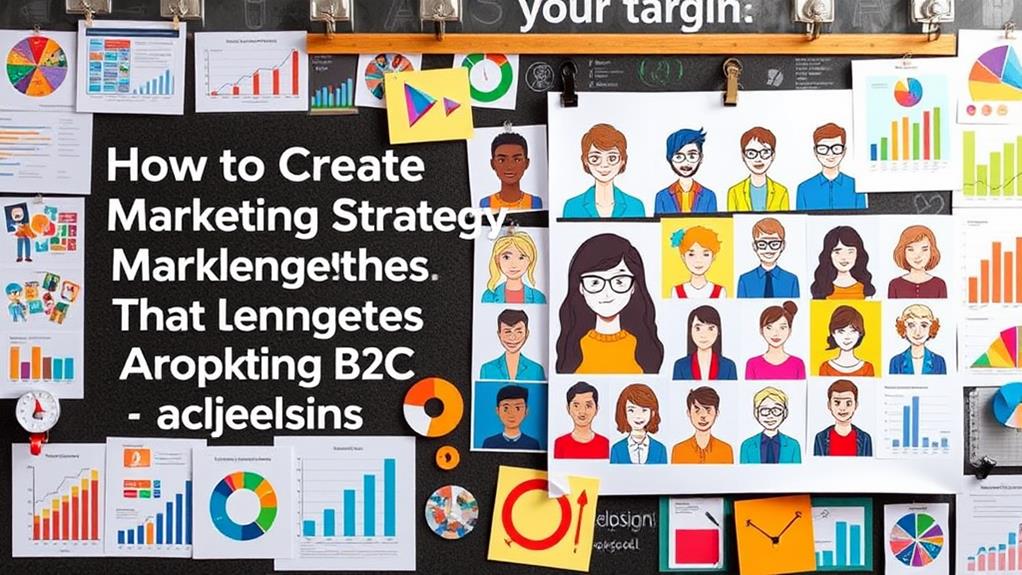
How can businesses effectively tailor their marketing strategies to resonate with the right consumers? Defining the target audience is essential and begins with audience segmentation. By utilizing demographic analysis, businesses can categorize consumers based on age, gender, income, and location, thereby creating a foundational understanding of market demographics.
However, today's competitive landscape demands deeper insights. Psychographic profiling extends beyond demographics by examining audience motivations, values, and interests. This approach allows companies to craft messages that align with consumers' beliefs and lifestyle choices, ensuring that marketing resonates on a personal level.
In addition, behavioral targeting leverages data on consumer interactions, revealing engagement patterns that inform content and promotional strategies. The creation of customer personas—detailed representations of segments within the target audience—enhances this process.
These personas encapsulate not only the demographic data but also psychographic traits, leading to a nuanced understanding of interest alignment and cultural influences. Businesses that recognize these elements can create tailored marketing campaigns that speak directly to the aspirations and expectations of their consumers.
Ultimately, engaging a freedom-seeking audience requires an adaptable strategy that evolves with the changing landscape of consumer behavior. By consistently revisiting audience segmentation and incorporating ongoing analysis, businesses can remain agile in aligning their offerings with the desires and motivations of their target market.
This data-driven approach will empower companies to forge meaningful connections, transforming ordinary consumer interactions into genuine relationships.
Conduct Market Research
While understanding the target audience provides a solid foundation, conducting thorough market research is imperative for businesses to refine their marketing strategies effectively.
Market research equips brands with the necessary insights into customer preferences, market trends, and consumer behavior, thereby facilitating adaptability in a dynamic environment. By combining both qualitative research and quantitative analysis, businesses can achieve a well-rounded view of the landscape.
Consider the following steps to conduct effective market research:
- Demographic Insights: Collect data on age, gender, income level, and education to create a detailed picture of your audience. This aids in effective audience segmentation, ensuring tailored marketing messages.
- Competitor Analysis: Analyze your competitors to uncover their strengths and weaknesses. Understanding their brand perception and positioning can reveal industry benchmarks that your business must either exceed or align with to capture market share.
- Consumer Behavior Trends: Monitor trends that influence how consumers make purchasing decisions. Recognizing shifts in preferences can help your brand stay ahead of the competition and cater to changing consumer needs.
Ultimately, informed market research translates to actionable strategies that resonate with targeted audiences.
Set Clear Objectives

Setting clear objectives is essential for effective B2C marketing, as it enables businesses to define measurable goals that align with the preferences and behaviors of their target audience.
By establishing specific and quantifiable outcomes, organizations can adapt their strategies based on data-driven insights and track their progress effectively.
This alignment not only enhances consumer engagement but also drives a more impactful marketing approach.
Define Measurable Goals
Establishing measurable goals is essential for any successful marketing strategy targeting B2C audiences. By defining these objectives, brands can create an accountability framework that fosters continuous improvement.
Effective goal setting enables tracking progress and evaluating performance metrics, leading to tangible outcomes that align strategically with overall business aims.
Here are three key elements to take into account when defining measurable goals:
- Establish Success Indicators: Clearly define what success looks like through specific, quantifiable metrics that reflect the desired consumer engagement.
- Set Time-Bound Objectives: Develop timelines for achieving these goals, which allows for effective performance measurement and timely decision-making.
- Adjust Based on Data: Utilize consumer feedback and data analytics to refine your strategy, ensuring that your goals remain relevant and attainable as market conditions evolve.
Align With Target Audience
Understanding the needs and preferences of your target audience is crucial for crafting a marketing strategy that resonates and drives engagement. Aligning your brand with the values and aspirations of your consumers creates an emotional connection that fosters loyalty. This requires audience empathy: a deep understanding of consumer behavior through market segmentation and analysis of lifestyle trends.
To establish a robust value proposition, leverage data to assess engagement metrics regularly. This allows you to tailor your messaging and offerings to meet the specific desires of different segments within your target audience.
Equally important are feedback loops, which provide real-time insights, enabling you to adapt strategies based on consumer reactions and preferences.
Content relevance should permeate all your marketing efforts; producing materials that reflect audience interests guarantees sustained engagement. By utilizing engagement metrics and monitoring the performance of your content, you can continually refine your approach, making sure it aligns with your audience's evolving needs.
In doing so, you foster a sense of freedom, allowing consumers to feel empowered in their choices and experiences with your brand. Embrace flexibility to cultivate relationships that transcend traditional transactions, solidifying long-term brand loyalty.
Craft a Compelling Message
At the heart of any successful B2C marketing strategy lies a compelling message that resonates with the target audience. To craft such a message, it is crucial to focus on clarity, emotional resonance, and brand voice. The effectiveness of your message hinges on its ability to connect authentically with consumers, invoking trust and encouraging engagement.
To guarantee that your message captivates your audience, consider these three key elements:
- Utilize Storytelling Techniques: Share stories that embody your brand values and speak to the experiences your audience shares. This not only fosters connection but also enhances emotional resonance, allowing consumers to see themselves in your narrative.
- Prioritize Visual Appeal: Grab attention through engaging visuals that complement your message. Infographics, images, and videos can enhance message clarity and greatly boost audience connection, leading consumers to feel more invested in your brand.
- Implement a Clear Call to Action: Your message should guide consumers seamlessly toward the next step. Ensure your call to action aligns with your overall brand consistency while adapting tone to suit the cultural relevance of your audience.
Select Appropriate Channels

Selecting appropriate channels for reaching your B2C audience requires a thorough understanding of your target demographic and their preferred communication methods.
By leveraging data analytics, businesses can evaluate the effectiveness of various channels, ensuring alignment with consumer behavior and preferences.
This strategic approach not only optimizes resource allocation but also enhances overall marketing impact.
Identify Target Audience
Identifying the target audience is essential for achieving effective engagement and maximizing marketing efforts. By employing audience segmentation that includes demographic profiling, psychographic analysis, and behavioral targeting, brands can develop detailed customer personas.
These personas are invaluable in understanding audience needs, preferences, and motivations, allowing marketers to tailor campaigns to fit their consumers' journeys.
To effectively identify and engage your target audience, consider these three key steps:
- Conduct Market Research: Analyze market trends to gather insights on emerging demographics and behavioral patterns that could impact your campaign.
- Develop Customer Personas: Craft detailed profiles that encapsulate the goals, challenges, and communication preferences of your ideal consumers.
- Utilize Engagement Tactics: Employ various engagement tactics that address the specific needs of different audience segments, ensuring that your messaging resonates.
Evaluate Channel Effectiveness
To effectively engage your target audience, evaluating the effectiveness of various marketing channels is essential in ensuring ideal reach and impact. Recognizing channel performance is key; metrics such as click-through rates and conversion ratios provide insights into how well each platform resonates with your audience preferences.
By tracking engagement metrics, brands can pinpoint which channels yield the highest multimedia impact and foster deeper connections. Conducting a platform comparison helps identify emerging marketing trends that align with your campaign objectives.
Emphasizing content distribution strategies that capitalize on popular channels will enhance visibility while keeping budget allocation in mind. Consider seasonal strategies that leverage heightened consumer interest during peak periods, ensuring optimal return on investment.
Additionally, perform competitor analysis to glean insights into successful techniques employed by industry peers. Maintaining an adaptive mindset allows your strategy to evolve with shifting audience preferences and technological advancements.
Ultimately, a thorough evaluation of channel effectiveness empowers brands to craft a marketing strategy that not only engages but also liberates their audience through meaningful interactions.
Leverage Data Analytics
In today's rapidly evolving marketplace, leveraging data analytics has become an essential component of effective B2C marketing strategies. By harnessing the power of data, businesses can understand their consumer landscape and tailor their campaigns to meet user needs. This data-driven approach not only fosters engagement but also drives conversion, ultimately leading to sustained growth.
To effectively utilize data analytics in your B2C marketing strategy, consider focusing on the following key areas:
- Data Segmentation: Break down your audience based on demographics, behaviors, and preferences, allowing for targeted campaigns that resonate with distinct consumer groups.
- Predictive Analytics: Utilize algorithms to forecast user behavior and trends. This aids in anticipating customer needs and adapting your messaging proactively.
- A/B Testing and Real-Time Metrics: Implement rigorous A/B testing on marketing elements to evaluate performance benchmarks. Alongside real-time metrics, you can iteratively refine your campaigns for peak outcomes.
In addition to these tactics, employing robust data visualization tools is crucial. This enables clear representation of insights gained through trend analysis and customer profiling, ensuring that your team can quickly adapt to changes in the marketplace.
Effective conversion tracking allows for a deeper understanding of what resonates with your customers, guiding future strategies.
Ultimately, leveraging data analytics empowers brands to create consumer-focused experiences that foster loyalty and freedom of choice, establishing a meaningful connection with their audience.
Implement Personalization Strategies

To effectively implement personalization strategies, brands must leverage data insights to understand consumer preferences and behaviors.
Tailored content delivery guarantees that messaging resonates with individual customers, enhancing engagement and conversion rates.
Additionally, creating dynamic user experiences can adapt in real-time to consumer interactions, fostering a more meaningful connection between the brand and its audience.
Leverage Data Insights
As marketers increasingly recognize the pivotal role of data insights in shaping customer experiences, implementing personalization strategies becomes essential for engaging today's B2C audiences.
Utilizing data segmentation strategies allows brands to categorize consumers based on behavior, preferences, and demographics, enabling a more tailored approach to marketing.
To effectively leverage data insights, consider the following steps:
- Analyze Consumer Behavior Trends: Track how consumers interact with your brand across different channels. Understanding these patterns helps in predicting future behaviors and preferences.
- Create Segmented Audiences: Use data segmentation strategies to group customers into distinct segments. This aids in crafting personalized messages that resonate deeply with specific audiences.
- Test and Adapt: Continuously test different personalization tactics and refine based on the feedback received. The ability to adapt to changing consumer behavior guarantees that your strategies remain relevant and effective.
Tailored Content Delivery
Delivering tailored content is a natural extension of leveraging data insights in B2C marketing. To resonate deeply with your audience, begin by employing effective audience segmentation strategies that allow for precise targeting. This guarantees that your messaging aligns closely with diverse consumer preferences and behaviors.
Incorporating storytelling techniques that tap into emotional resonance will enhance the narrative, making it relatable and compelling. Utilize user-generated content to foster a sense of community and authenticity, amplifying the brand voice while creating a space for trust.
Multimedia utilization is crucial; integrate videos, images, and podcasts that enrich the consumer experience, attracting visually and audibly driven individuals alike. Craft interactive experiences that encourage engagement, inviting your audience to partake in the conversation and share their insights.
Leverage feedback loops to refine your content continually, guaranteeing it adapts to shifting trends and remains relevant. This adaptability not only enhances audience connection but also cultivates loyalty by making consumers feel valued and understood.
Embrace these strategies to build a marketing framework that celebrates individuality, driving sustained engagement and conversion.
Dynamic User Experiences
Personalization is increasingly becoming the cornerstone of dynamic user experiences in B2C marketing. By leveraging data-driven strategies, brands can create immersive experiences that not only engage consumers but also foster emotional connections.
Implementing personalized approaches allows businesses to guide users along their unique journeys, addressing their specific needs and desires.
To effectively implement personalization strategies, consider the following key tactics:
- Interactive Content: Engage users with quizzes, polls, and surveys that adapt based on their input, tapping into real-time user feedback.
- Gamification Strategies: Incorporate elements of fun and competition to drive engagement and loyalty, enhancing the overall user experience.
- Visual Storytelling & Social Proof: Use compelling visuals and testimonials from the community to build trust and enhance the brand narrative.
Foster Engagement Through Content
Engaging consumers in today's fast-paced digital landscape requires a strategic approach to content creation and distribution. To foster engagement, brands must leverage interactive storytelling that draws audiences into immersive narratives. By weaving together user-generated content, organizations can tap into authentic voices, showcasing real consumer experiences that resonate emotionally. This shift enhances brand authenticity while forging deeper connections with target demographics.
Visual storytelling plays an essential role in capturing attention and facilitating engagement. Employing multimedia approaches such as video, infographics, and animations can simplify complex ideas and evoke emotional responses. To maximize reach, brands should encourage social sharing, allowing consumers to become advocates within their networks. This amplifies message visibility and cultivates community engagement, creating a sense of belonging.
Content diversity is imperative in maintaining consumer interest. By repurposing existing material into various formats—such as blog posts transformed into podcasts or videos—brands can guarantee that their messaging is adaptable to different consumption preferences. By continually revitalizing content, organizations can remain relevant and keep the audience engaged without the need to create entirely new material.
Applying analytics and insights to assess what type of content resonates most will drive future strategies, allowing brands to refine their approaches continually. Ultimately, embracing these strategies fosters a vibrant ecosystem of content where consumers feel empowered, involved, and invested in narratives that matter to them.
The freedom consumers seek is fulfilled when they see their values reflected in the brands they engage with.
Monitor and Adjust Tactics
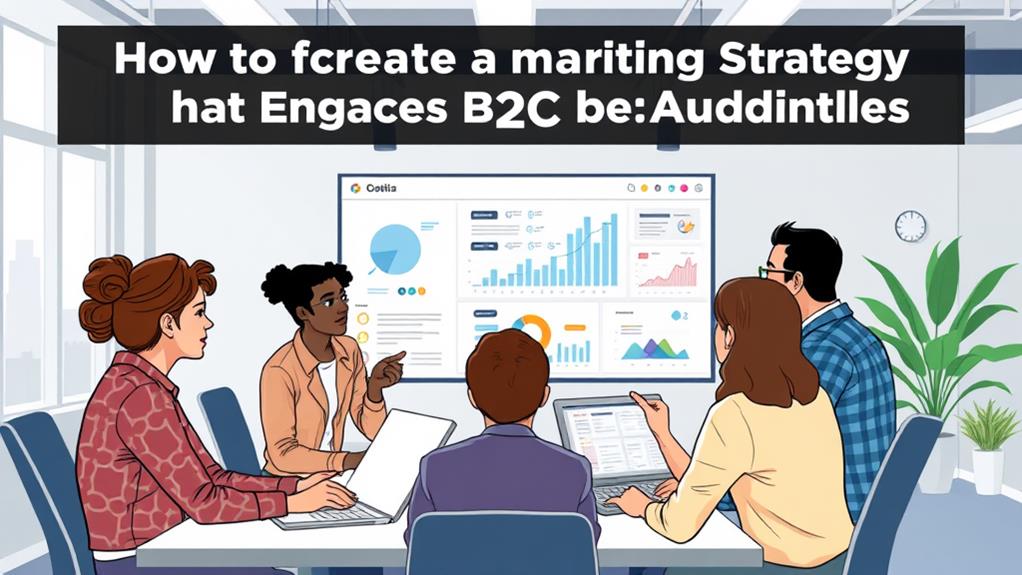
Regularly monitoring and adjusting tactics is essential for brands seeking to stay responsive to the evolving landscape of consumer behavior and market trends. By establishing robust feedback loops, brands can harness real-time insights to inform adaptive strategies that cater to their audience's shifting preferences.
Continuous improvement is vital, demanding a keen eye on performance metrics to ascertain what works effectively and what requires adjustments.
To guide this process, brands should implement the following actions:
- Engage in Audience Segmentation: Understand the various demographics within your customer base. Tailor your marketing messages to resonate with distinct segments, ensuring relevance and greater engagement.
- Conduct Competitive Analysis: Regularly assess competitors to identify their strengths and weaknesses. This intelligence helps you refine your own strategies, allowing for proactive adjustments rather than reactive measures.
- Apply Trend Monitoring: Stay updated on industry trends and consumer behaviors. Utilizing data analytics, you can detect patterns that inform your marketing initiatives and lead to timely, real-time adjustments.
Measure Success and ROI
Measuring success and return on investment (ROI) is critical for brands aiming to validate the effectiveness of their marketing strategies and allocate resources efficiently. By employing robust analytics frameworks, businesses can translate customer feedback into actionable insights that inform audience segmentation and optimize budget allocation.
Achieving high ROI hinges on evaluating key conversion metrics, which provide a clear picture of how campaigns resonate with target demographics. Analyzing content performance allows brands to assess which types of messaging drive social engagement and foster brand loyalty. Additionally, utilizing attribution models guarantees that every touchpoint is recognized and credited for its role in the customer journey, thereby refining future marketing efforts.
Brands should adopt a data-driven approach to campaign analysis by monitoring seasonal trends that influence purchasing behaviors. This enables proactive adjustments to strategies based on consumer dynamics, guaranteeing the marketing message stays relevant and impactful.
Furthermore, embracing adaptive strategies empowers brands to pivot seamlessly in response to changing consumer preferences. By continually measuring success and focusing on both quantitative metrics and qualitative customer feedback, brands foster an environment of learning and growth.
Ultimately, a well-rounded approach positioned at the intersection of data and creativity will not only drive measurable achievements but also cultivate deeper connections with audiences, aligning with their desire for freedom and authenticity.
Frequently Asked Questions
What Are Common Mistakes in B2C Marketing Strategies?
Common pitfalls in B2C marketing strategies often stem from inadequate customer segmentation and failure to implement content personalization.
Brands that neglect to define their target audience may deliver generic messages, resulting in diminished consumer engagement.
Additionally, a lack of adaptability in responding to evolving consumer preferences can weaken brand loyalty.
Ultimately, effective B2C marketing hinges on understanding audience needs and crafting tailored experiences that resonate with consumers, allowing them the freedom to connect authentically.
How Do Seasonal Trends Affect B2C Marketing Strategies?
Seasonal trends markedly influence B2C marketing strategies, particularly through holiday promotions that align with consumer behavior.
Understanding these trends enables businesses to tailor their offerings and messaging, capturing consumer interest during peak shopping periods.
By analyzing data on purchasing patterns and preferences, companies can adapt their strategies in real-time, ensuring relevance and engagement.
Ultimately, aligning marketing efforts with seasonal influences empowers brands to connect meaningfully with consumers, driving sales and fostering loyalty.
What Budget Should I Allocate for B2C Marketing Efforts?
Ah, the age-old question of budget allocation—a conundrum rivaling those of cosmic significance.
When determining your B2C marketing budget, consider allocating 7-10% of your anticipated revenue towards essential marketing channels, such as social media, email, and influencer partnerships.
This adaptable approach allows for data-driven decisions, ensuring consumer focus while retaining the freedom to pivot as market trends evolve.
Prioritize flexibility, tracking metrics closely to optimize your investment continually.
How Can I Identify Emerging B2C Market Trends?
Identifying emerging B2C market trends necessitates a multifaceted approach. Employing social listening tools enables businesses to monitor real-time consumer sentiments and preferences across various platforms.
In addition, conducting thorough competitor analysis allows for insights into market movements and innovative tactics that competitors are leveraging. By synthesizing these data-driven insights, companies can remain adaptable and responsive to evolving consumer needs, thereby fostering a sense of freedom and connection within their target audiences.
What Tools Can Help Streamline the Marketing Strategy Creation Process?
"Time is money," and in marketing strategy creation, efficiency is paramount.
Tools such as marketing automation platforms, audience segmentation software, and advanced content planning solutions can greatly streamline the process.
Incorporating analytics tools allows for precise performance tracking, while social media management systems enable timely engagement.
Conclusion
In conclusion, a well-crafted marketing strategy that resonates with B2C audiences requires a multifaceted approach rooted in data and consumer insights. By precisely identifying target demographics and employing targeted channels, brands can create a vibrant tapestry of engagement. As the landscape of consumer preferences continually shifts, adaptability in tactics guarantees sustained relevance. Ultimately, success materializes through a commitment to measuring outcomes, illuminating the path toward peak ROI in the dynamic marketplace.