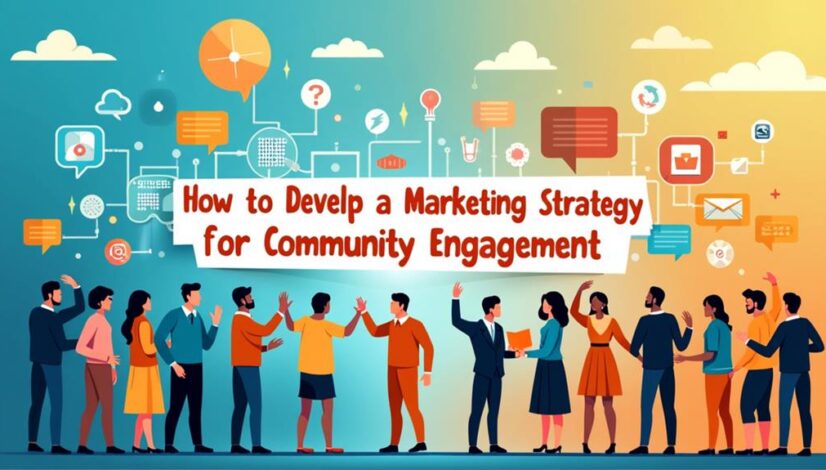
How to Develop a Marketing Strategy for Community Engagement
To develop an effective marketing strategy for community engagement, begin by clearly defining your community goals. Align these objectives with the values and needs of your audience. Next, accurately identify your target groups through demographic analysis and segmentation. Choose communication channels that resonate, such as social media or community forums, to foster engagement. Create valuable, diverse content that appeals emotionally to your audience. Partnerships can enhance outreach and resources, amplifying community voices. Finally, measure engagement success with robust metrics, allowing for data-driven adjustments to your strategy. Explore further strategies to enhance your community connections and strengthen engagement.
Key Takeaways
- Define clear community goals that align with community values for trust and mutual respect.
- Identify your target audience through demographic analysis and audience segmentation for tailored initiatives.
- Choose effective communication channels, such as social media and community forums, to engage diverse audience segments.
- Create valuable content using diverse formats and user-generated input to foster authenticity and community trust.
- Foster partnerships and collaborations to enhance resources, amplify outreach, and create win-win scenarios for all stakeholders.
Define Your Community Goals

When organizations seek to engage a community effectively, they often find that clearly defined goals are critical to success. Setting precise community goals forms the foundation of any strategic engagement initiative, allowing organizations to align their efforts with community values. This alignment fosters a sense of trust and mutual respect, crucial for meaningful interaction. Without such a focus, efforts may dissipate into disconnected activities, lacking the cohesive energy that fosters a vibrant community spirit.
To begin establishing community goals, organizations should consider the specific needs and aspirations of their audience. Identifying what resonates with the community—such as shared interests, local challenges, or cultural heritage—provides a framework for meaningful engagement.
Establishing these goals should not be a static process; instead, it should evolve through continuous dialogue with community members. Their feedback is invaluable, ultimately serving to refine both the goals and the strategies employed to achieve them.
Moreover, engagement metrics considerably play a role in this process, measuring the effectiveness of various outreach efforts. Metrics such as participation rates, feedback quality, and community satisfaction provide insight into whether defined goals are being met.
Identify Your Target Audience
Understanding your community goals sets the stage for another pivotal aspect of effective community engagement: identifying your target audience. An accurate identification of your target audience is not merely a checkbox; it is a strategic necessity reflective of your aspirations and community dynamics.
Utilizing demographic analysis allows you to examine the underlying characteristics of your community, such as age, income, education, and cultural background. This critical information provides insights into who you are engaging with and how best to resonate with them.
In this context, audience segmentation becomes essential. By categorizing your community into specific segments based on behavioral patterns, preferences, and needs, you can tailor your marketing strategies to create more personalized messages.
For instance, the motivations of young families may differ drastically from those of seasoned professionals. Recognizing these distinctions can empower you to foster connections that transcend superficial interactions, leading to deeper, more meaningful engagement.
Furthermore, by leveraging demographic analysis and audience segmentation, you can craft initiatives that not only draw individuals in but also instill a sense of ownership and belonging within your community. The desire for freedom within individuals is universal, and recognizing the unique values of each segment enables you to appeal to this intrinsic motivation.
To summarize, the thoughtful identification of your target audience facilitates the creation of a community engagement strategy that is both relevant and impactful, ultimately driving toward shared goals and collective empowerment.
Choose Effective Communication Channels
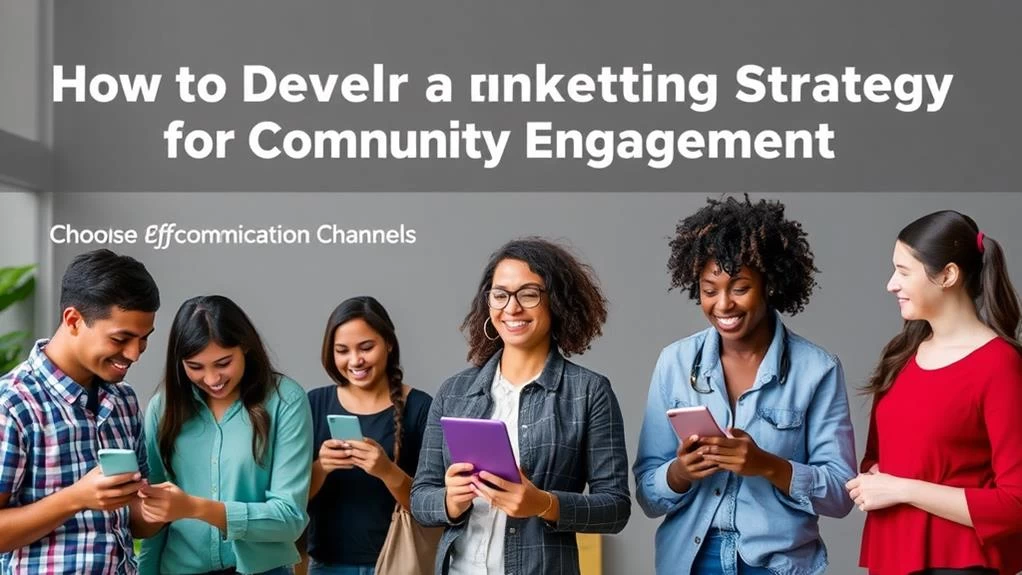
Choosing effective communication channels is essential for amplifying your community engagement efforts. The right mix of channels not only enhances accessibility but also fosters a sense of belonging among community members.
Social media platforms serve as dynamic arenas for interaction, allowing organizations to reach diverse audience segments rapidly. Engaging through visually impactful video storytelling can evoke emotions, driving deeper connections and discussions.
Email newsletters remain a powerful tool for providing valuable insights and updates directly to your audience. They foster consistency and can be tailored to reflect the interests of your community, thereby reinforcing loyalty.
Community forums are another critical avenue, offering a space for open dialogue that empowers members to share ideas and experiences.
Local events provide tactile engagement opportunities, allowing real-time interactions and relationship-building. They cultivate a communal spirit and can be promoted through influencer outreach, leveraging local figures who resonate with your target audience, amplifying your message and credibility.
Feedback surveys are paramount for understanding community needs and preferences. By adopting an audience-focused approach, you can refine your strategies based on input received, creating a cycle of continuous improvement.
Additionally, mobile apps are increasingly becoming central in facilitating interaction, providing users with tools to connect, share, and engage with your initiatives seamlessly.
Create Valuable Content
Effective communication channels pave the way for creating valuable content that resonates with your community. To engender a deep connection, it is vital to explore diverse content formats that leverage storytelling techniques. This approach captivates your audience by allowing them to engage emotionally, creating a sense of belonging, while also guaranteeing topical relevance.
Visual appeal enhances the effectiveness of your content, capturing attention in a world saturated with information. Utilizing high-quality images, infographics, and videos can transform mundane topics into vibrant discussions. Additionally, integrating user-generated content fosters authenticity and demonstrates that your community's voices are valued, ultimately building trust.
Strategic content distribution amplifies your reach and engages individuals on platforms where they feel comfortable. Pairing your content with a robust distribution plan guarantees that educational resources and insights are widely accessible. Community members appreciate when content is not only informative but also aids their personal growth and understanding of relevant issues.
Incorporating audience feedback is fundamental; it establishes an ongoing dialogue that keeps conversations relevant and dynamic. Listening to your community promotes a culture of inclusivity, where their insights shape future content.
Essentially, the key to creating valuable content lies in understanding the desires of your audience and refining your approach based on their responses. By consistently delivering content that is engaging, educational, and visually compelling, you cultivate a vibrant community enthusiastic to participate in the dialogue you initiate.
Foster Partnerships and Collaborations

Building strong partnerships and collaborations is essential for amplifying the impact of community engagement efforts. These alliances not only increase resources but also enhance the reach and effectiveness of engagement initiatives. By fostering partnerships, organizations open up opportunities for innovative community outreach that resonates deeply with local audiences.
To cultivate effective collaborations, consider the following strategies:
- Identify Mutual Benefits: Engage potential partners by highlighting how collaboration can lead to shared goals. For example, local sponsorships can offer funding for collaborative events while providing visibility for sponsors, creating a win-win scenario.
- Leverage Joint Marketing: Utilize combined marketing efforts to amplify voices within the community. Joint marketing campaigns can provide a broader platform for both organizations, allowing partners to share marketing materials and extend their engagement initiatives without significant additional costs.
- Embrace Resource Sharing: Forming partnerships facilitates the pooling of resources, such as venues, expertise, and volunteer bases. This cooperative approach not only conserves individual organizational resources but also enhances the scope and quality of community engagements.
Through strategic partnership networking, organizations can align objectives and create impactful collaborative events that foster community growth.
Ultimately, engaging through a network of collaborations can yield sustainable results, enriching both the community and the partners involved. In this organic framework, the spirit of freedom thrives, as collective efforts unite diverse voices for meaningful change.
Measure Engagement Success
Partnerships and collaborations create a foundation for community engagement that demands diligent assessment. To guarantee the success of these collective efforts, it is essential to establish robust engagement metrics that capture the effectiveness of your initiatives. These metrics serve not merely as numbers, but as significant indicators of community resonance, allowing organizations to quantify the impacts of their engagement strategies.
Engagement metrics can include user participation rates, social media interactions, event attendance, and community sentiment. These numbers provide clarity on what is working and what isn't, empowering organizations to make informed decisions. However, metrics alone may not tell the entire story. To gain deeper insights, it is necessary to create feedback loops—systematic approaches to gathering, analyzing, and acting upon feedback from community members.
By fostering open lines of communication, organizations can encourage dialogue that reveals the community's evolving needs and desires. Implementing these feedback loops not only enhances the depth of engagement insights but also nurtures trust and empowers community members. They begin to feel heard and valued, fostering a sense of ownership in the initiatives that affect them.
Ultimately, measuring engagement success through a combination of quantitative metrics and qualitative feedback fosters a culture of continuous improvement. This dynamic approach not only drives effective community engagement but also cultivates a resilient and adaptable partnership, allowing all stakeholders to feel a genuine connection to the shared mission. In this way, measurement transforms from a mere evaluation tool into a catalyst for collective freedom and growth.
Adapt and Evolve Your Strategy

To effectively engage with the community, it is essential to continuously monitor emerging trends and shifts in preferences.
By analyzing these insights, businesses can adapt their strategies, ensuring relevance and resonance with their audience.
This proactive approach fosters deeper connections and enhances overall engagement, driving greater impact in community relations.
Monitor Community Trends
In the fast-paced landscape of community engagement, staying attuned to emerging trends is essential for shaping a responsive marketing strategy.
Businesses and organizations must continually monitor community sentiment and local events to foster connection and relevance.
To effectively navigate this dynamic environment, consider these foundational steps:
- Leverage Social Listening Tools: Employ technologies that can analyze social media conversations. Understanding community sentiment allows for real-time responses and keeps your strategy aligned with collective concerns and interests.
- Engage with Local Influencers: Build relationships with local thought leaders who can provide insight into grassroots movements and trends. Their perspective can reveal nuanced shifts in community sentiment that are vital for your marketing strategy.
- Participate in Local Events: Actively engaging in local events not only provides visibility but also fosters genuine connections.
This helps in evaluating community interests firsthand and adapting strategy to prioritize relevant topics.
Adjust Based on Insights
Harnessing insights gained from community monitoring allows businesses to make informed adjustments to their marketing strategies, ensuring they remain relevant and effective. By establishing robust feedback loops, organizations can continually gather data from community interactions, revealing essential trends and sentiment shifts. This dynamic approach cultivates an agile marketing framework that not only responds to the community's voice but anticipates their needs as well.
Data analysis plays a pivotal role in this process. It empowers businesses to sift through qualitative and quantitative insights, identifying patterns that may have otherwise gone unnoticed. Such analysis can illuminate areas for improvement, guiding adjustments in messaging, timing, and engagement tactics.
For example, if an emerging concern is highlighted within community discussions, prompt action can position the brand as an empathetic and responsive entity, fortifying trust and loyalty.
In a landscape punctuated by constant change, the ability to adapt and evolve is paramount. By prioritizing insights and fostering open dialogue, businesses not only enhance their marketing effectiveness but also align themselves with the values of a freedom-seeking audience.
This symbiosis of strategy and community engagement ultimately paves the way for enduring relationships and sustainable growth.
Frequently Asked Questions
How Can We Motivate Volunteers to Participate in Community Initiatives?
Motivating volunteers to participate in community initiatives requires a multifaceted approach. Implementing volunteer incentives, such as recognition programs, skill-building opportunities, and flexible commitment options, can greatly enhance engagement.
Establishing strong community partnerships also plays an essential role; by collaborating with local organizations, you can create a sense of belonging and shared purpose among volunteers. This, in turn, cultivates a vibrant atmosphere that resonates with individuals seeking meaningful avenues for contribution and personal fulfillment.
What Budget Is Typically Required for Community Engagement Campaigns?
In the thriving garden of community engagement, financial resources serve as nourishing rain. Effective budget allocation is essential to cultivate impactful campaigns.
Typically, a budget ranging from a few thousand to tens of thousands of dollars is required, contingent upon the project's scope and audience. Thoughtful investments will enhance campaign effectiveness, fostering meaningful connections.
Ultimately, like a well-tended garden, the careful distribution of funds can yield vibrant community relationships and enriched social freedom.
How Do We Deal With Negative Feedback From the Community?
Addressing negative feedback from the community requires a strategic approach that embraces constructive criticism.
Establishing a feedback response system can transform dissent into dialogue, fostering trust and transparency. By actively listening and acknowledging concerns, organizations can demonstrate a commitment to community values.
Furthermore, leveraging this feedback can be a catalyst for improvement and innovation, ultimately enhancing relationships with stakeholders and empowering the community to feel heard and valued in the engagement process.
What Tools Can Simplify the Monitoring of Community Engagement Metrics?
To effectively monitor community engagement metrics, utilizing tools that offer engagement analytics and data visualization capabilities is essential.
These platforms enable organizations to analyze interactions in real time, presenting complex data in an accessible format. By incorporating visual elements such as graphs and dashboards, stakeholders can easily gauge community sentiment and participation levels.
This analytical approach not only fosters transparency but also empowers communities to actively engage, enhancing overall relational dynamics.
How Often Should We Evaluate and Update Our Marketing Strategy?
In the domain of strategic marketing, failing to regularly evaluate and update your approach can be catastrophic, akin to sailing without a compass.
A frequency assessment every quarter is recommended to guarantee strategy alignment with evolving market dynamics. This practice not only fosters responsiveness to community needs but also empowers organizations to remain relevant and engaging.
Ultimately, a dynamic strategy transforms community engagement from a mere obligation into an inspiring opportunity for connection and growth.
Conclusion
In summary, a robust marketing strategy for community engagement possesses the power to transform not only individual lives but entire neighborhoods into vibrant hubs of interaction and support. By clearly defining goals, understanding the target audience, leveraging appropriate communication channels, and fostering meaningful partnerships, organizations can cultivate an engaged community that thrives. Continuous evaluation and adaptation of strategies guarantee sustained relevance and impact, ultimately creating a positive ripple effect that strengthens the very fabric of society.