How to Develop a Marketing Strategy for SaaS Businesses
To develop a marketing strategy for SaaS businesses, start by defining your target audience and creating detailed buyer personas. Analyze competitors to identify gaps in the market and articulate your unique value proposition. Set clear goals and define key performance indicators to drive results. Choose the right marketing channels, such as content marketing and social media, to engage users effectively. Create compelling content that resonates with your audience, and implement a pricing strategy that reflects value. Finally, continuously measure performance and optimize for customer retention. Engaging with these strategies will reveal further insights into driving growth.
Key Takeaways
- Define your target audience by creating detailed buyer personas and segmenting the market to tailor marketing messages effectively.
- Analyze competitors to understand their strategies, unique value propositions, and market gaps that your SaaS offering can address.
- Establish clear goals and KPIs to align resources, assess performance, and track progress towards revenue and growth objectives.
- Develop a unique value proposition that highlights your product's advantages and addresses specific customer pain points.
- Choose the right marketing channels, including social media, email marketing, and content marketing, to maximize reach and engagement.
Define Your Target Audience

Understanding your customer's needs is the cornerstone of effective marketing strategy in the SaaS landscape. One of the foundational steps in making this understanding actionable is to define your target audience rigorously. This process involves developing detailed buyer personas, which serve as semi-fictional representations of your ideal customers. By diving deep into demographics, psychographics, pain points, and goals, you can construct personas that embody your most significant potential users.
Additionally, market segmentation is crucial in distinguishing different subsets within your audience. By segmenting the market based on variables such as industry, company size, and user behavior, you can tailor your marketing messages and offerings to meet the unique needs of each group. This targeted approach not only enhances engagement but also increases the likelihood of conversion, leading to improved customer acquisition and retention rates.
In crafting your strategies, consider the broader implications of having clearly defined target audiences. With precise buyer personas and well-executed market segmentation, your marketing efforts will resonate deeper with the desires and freedoms sought by potential users.
When they perceive that your SaaS solution is tailored for them, adoption rates will flourish. Ultimately, defining your target audience not only fuels marketing success but fosters a culture of understanding and connection, paving the way for sustainable growth and innovation in your SaaS business model.
Analyze Competitors
Analyzing competitors is essential for SaaS businesses to understand the landscape in which they operate.
By identifying key competitors, companies can benchmark their offerings and discover gaps in the market that may present opportunities for innovation.
In addition, evaluating competitors' strategies reveals valuable insights into effective tactics that can enhance one's own marketing approach to drive results.
Identify Key Competitors
Identifying key competitors in the SaaS landscape is a crucial step for businesses looking to carve out their niche and achieve sustained growth. This process not only informs your market positioning but also aids in understanding the ecosystem in which your business operates.
Start by creating a thorough list of competitors that offer similar services or target the same customer base. Evaluate their product features, pricing models, and customer engagement strategies to get a clearer picture of the competitive terrain.
Competitor benchmarking is important in this phase, as it allows you to draw comparisons that can illuminate your unique value propositions. Focus on identifying what differentiates successful competitors—be it exceptional user experiences, robust customer support, or innovative marketing tactics. This insight will enable you to uncover gaps in the market that your SaaS solution can fill.
Additionally, analyzing competitors that dominate your space can provide a benchmark for excellence, helping to refine your strategies and informing future product development.
As you define your market positioning, leverage these insights to guarantee that your offerings resonate with target customers, ultimately fostering a competitive advantage and propelling growth.
Evaluate Their Strategies
A thorough evaluation of competitors' strategies is vital for SaaS businesses aiming to refine their market approach and enhance their unique offerings. By closely analyzing the marketing tactics of key players, companies can uncover valuable insights that reveal the intricacies of current market trends. This intelligence not only informs strategy but also allows SaaS businesses to capitalize on areas of opportunity.
Begin by scrutinizing how competitors gather and leverage customer feedback. Understanding their methodologies for eliciting user insights can provide ideas for enhancing your own feedback mechanisms, fueling product development to better meet client needs.
Additionally, observe competitors' positioning in the market—analyzing their pricing models, promotional strategies, and the types of content they produce can highlight successful tactics that resonate with potential customers.
Equally important is monitoring shifts in market trends. Consistently observing these changes empowers SaaS businesses to anticipate customer preferences and adapt proactively.
Ultimately, a well-rounded evaluation of competitors' strategies enables SaaS companies to create a distinctive market presence while remaining nimble in response to evolving opportunities, fostering sustainable growth and long-term success.
Establish Clear Goals

Establishing clear goals is essential for driving the success of SaaS businesses, as these objectives form the foundation for targeted marketing efforts.
By defining key performance indicators (KPIs) and setting specific revenue targets, companies can create a roadmap that aligns resources with desired outcomes.
This strategic approach enables marketers to assess performance effectively and make informed adjustments to enhance growth and profitability.
Define Key Performance Indicators
Defining Key Performance Indicators (KPIs) is essential for SaaS businesses aiming to optimize their marketing efforts and drive growth. By establishing clear KPIs, you empower your organization to focus on what truly matters, enabling data-driven decisions that enhance performance. These metrics serve as a roadmap for success, guiding your strategies and actions toward measurable outcomes.
When identifying KPIs, consider both customer satisfaction and conversion metrics. Customer satisfaction is a crucial indicator of user engagement and overall value perception, reflecting the effectiveness of your service offering. Implementing surveys and Net Promoter Scores (NPS) allows you to gauge satisfaction levels and make necessary adjustments to enhance the user experience.
In tandem, conversion metrics will reveal how effectively your marketing campaigns attract and convert leads into paying customers. Metrics such as customer acquisition cost (CAC) and lifetime value (LTV) provide insights into the efficiency of your sales funnel and marketing strategies.
Set Specific Revenue Targets
Setting specific revenue targets is essential for SaaS businesses seeking to align their marketing and sales efforts with broader organizational objectives. These targets provide a clear framework that shapes strategic initiatives, ensuring that every marketing dollar spent contributes directly to revenue growth.
By establishing well-defined revenue forecasting, businesses can anticipate market trends, adjust pricing strategies, and identify growth opportunities, facilitating proactive decision-making.
Moreover, these targets foster sales alignment. When the sales team understands the revenue goals, they can tailor their approaches to better resonate with potential customers. This synergy between marketing and sales not only enhances accountability but also amplifies the effectiveness of campaigns.
To achieve these specific revenue targets, it's vital to employ data-driven insights. Competitor analysis and customer feedback are invaluable in refining targets and ensuring they are ambitious yet attainable.
Setting incremental goals within a broader strategic vision also allows for celebrating small wins, creating a culture of success.
In essence, establishing specific revenue targets is not just about numbers; it's about cultivating a proactive mindset that empowers SaaS businesses to embrace a future of limitless potential, facilitating the freedom to innovate and grow.
Develop Unique Value Proposition
At the core of a successful SaaS marketing strategy lies a compelling Unique Value Proposition (UVP) that clearly articulates what sets the product apart from competitors. The UVP is not merely a slogan; it encapsulates the essence of how your software alleviates customer pain points while showcasing your competitive advantages.
In an increasingly crowded marketplace, defining this proposition is essential for attracting and retaining customers.
To craft an effective UVP, begin by deeply understanding your target audience and their challenges. Conduct thorough research to identify specific customer pain points that your SaaS product addresses. Whether it's reducing operational inefficiencies, enhancing collaboration, or providing actionable insights, your UVP should resonate with these needs.
Articulate your offering's functionalities in a way that paints a vivid picture of transformation for potential users.
Furthermore, highlight your competitive advantages—elements that your peers lack. This could include unique technology, superior customer support, user-friendly interfaces, or flexible pricing structures. By clearly distinguishing these factors, you position your product as not just another option, but the definitive solution to your audience's challenges.
Ultimately, a well-defined UVP should make an emotional connection, allowing prospects to envision their liberated future with your solution. It acts as a guiding force throughout your marketing and sales efforts, ensuring all messaging aligns with this fundamental promise.
Craft your UVP with precision, and you'll effectively stimulate interest and drive conversion rates, allowing customers the freedom to choose the best path for their needs.
Choose the Right Marketing Channels
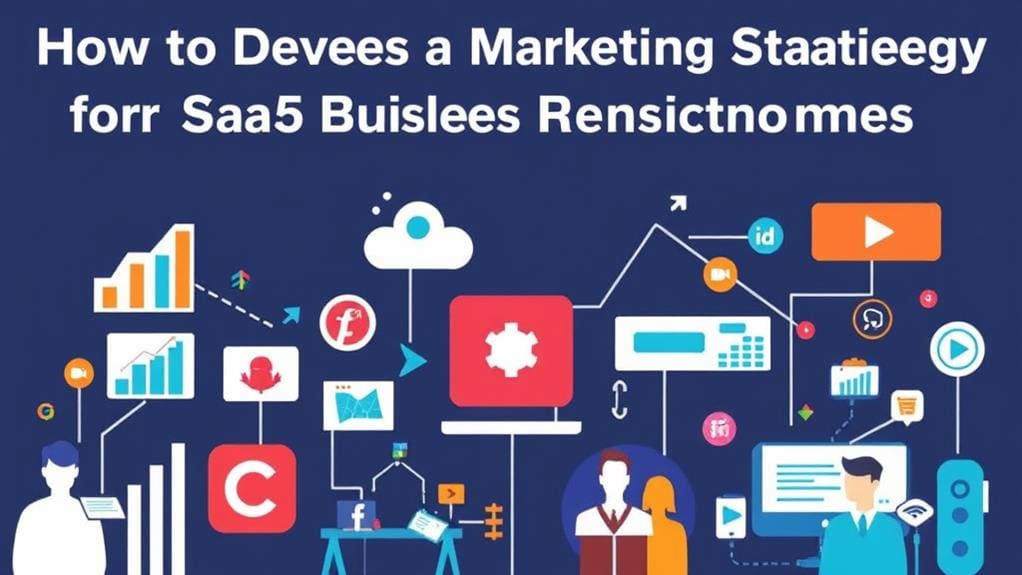
Selecting the right marketing channels is a pivotal decision for SaaS businesses, as it directly influences customer reach and engagement. The effectiveness of various channels can vary greatly depending on the target audience and product type, making it essential to choose wisely.
Social media platforms can provide substantial organic growth opportunities, allowing brands to foster community engagement and build a loyal following. Through these channels, businesses can initiate conversations, share content, and provide customer support, creating a multi-dimensional experience that resonates with users.
Email marketing remains a cornerstone of SaaS strategy, offering a direct line of communication that enhances relationships and drives conversions. Personalized email campaigns can nurture leads effectively, keeping potential customers on their journey towards a purchase.
Search engine optimization (SEO) is critical for visibility, driving traffic through organic search results and demonstrating authority in the industry. Content marketing complements this effort; high-quality, informative content can enlighten potential customers and establish credibility.
Influencer partnerships can further amplify these efforts, leveraging established authority to introduce SaaS products to wider audiences. Affiliate programs can also prove effective, rewarding individuals or organizations for driving new customers.
For immediate results, paid advertising offers targeted reach, allowing businesses to attract leads quickly while maintaining control over budgets. Ultimately, a strategic mix of these channels—social media, email marketing, search engines, content marketing, influencer partnerships, affiliate programs, paid advertising, and community engagement—ensures that SaaS businesses maximize their marketing efforts and thrive in a competitive landscape.
Create Compelling Content
Creating compelling content emerges as a fundamental component of an effective marketing strategy for SaaS businesses, building upon the right marketing channels chosen previously. High-quality content, utilizing diverse content formats—such as blogs, videos, infographics, and podcasts—serves to captivate and retain your target audience.
Employing storytelling techniques enhances audience engagement, allowing them to connect emotionally with your brand narrative. This emotional resonance fosters loyalty and encourages users to share their experiences, generating valuable user-generated content that can amplify your reach and credibility.
To guarantee your content exerts maximum impact, an effective content distribution strategy must be implemented alongside SEO strategies. Focusing on keyword optimization will improve search visibility, while a well-planned content calendar streamlines your scheduling, guaranteeing consistent communication with your audience.
Moreover, leveraging multimedia integration can create a richer user experience, increasing interaction on your platforms. This holistic approach to content creation reinforces your brand voice, allowing for authentic communication that resonates with your audience's desire for freedom and innovation.
Simultaneously, positioning your organization as a thought leader within the industry builds trust and elevates your brand's authority, drawing potential customers to your solutions.
As your content strategy matures, regularly analyze performance metrics to refine your approach, keeping it responsive to audience needs and market dynamics. Through this disciplined, results-oriented focus, compelling content can substantially enhance your SaaS business's marketing efficacy.
Implement a Pricing Strategy

Steering through the intricacies of pricing strategy is essential for SaaS businesses seeking to optimize revenue and market position. An effective pricing strategy not only drives sales but also enhances customer satisfaction and retention. Among the various methodologies, value-based pricing stands out as a transformative approach. This strategy aligns pricing with the perceived value delivered to the customer, allowing businesses to capture the willingness to pay rather than merely covering costs.
By understanding customers' pain points and the specific solutions offered, SaaS businesses can articulate a compelling value proposition that justifies higher pricing tiers. Implementing tiered pricing is another effective strategy that caters to diverse customer needs and budgets. This model provides multiple options, allowing clients to choose a plan that best suits their requirements—enhancing accessibility while maximizing potential revenue.
The synergy of value-based and tiered pricing not only aids in segmenting the market but also empowers customers by offering choices. Importantly, this approach encourages customers to upgrade as their needs evolve, fostering long-term loyalty.
Additionally, regularly revisiting and optimizing pricing based on customer feedback and market trends is essential for sustaining competitive advantage.
Measure and Analyze Performance
Measuring and analyzing performance is vital for SaaS businesses aiming to refine their strategies and achieve sustained growth. By leveraging analytics tools, organizations can make data-driven decisions that directly impact their success trajectory. Understanding performance trends is essential for identifying strengths and weaknesses within your marketing initiatives.
Effective measurement starts with defining key growth metrics, including conversion rates and customer acquisition cost. A thorough ROI assessment allows SaaS companies to evaluate the profitability of specific campaigns or channels, ensuring resources are allocated efficiently.
Additionally, implementing A/B testing provides valuable insights into user preferences, enabling teams to optimize content and user experiences along the customer journey.
Market segmentation plays a pivotal role in understanding diverse user needs. By analyzing user feedback and engagement patterns across segments, businesses can tailor marketing strategies to resonate with targeted audiences. This not only enhances the customer experience but also increases conversion opportunities.
Regularly revisiting analytics and user feedback allows organizations to adapt to rapidly changing market conditions. Monitoring performance trends enables SaaS companies to pivot quickly, ensuring they remain agile and competitive.
Fundamentally, a robust performance measurement framework is indispensable for continuous improvement and long-term success.
Optimize for Customer Retention

Customer retention strategies are increasingly essential as SaaS businesses seek to maximize lifetime value and foster loyalty among their user base. A robust approach to optimizing customer retention not only involves understanding user behavior but also actively engaging clients to enhance their experience.
Central to this effort is the collection and analysis of customer feedback. By soliciting insights through surveys, interviews, and usage data, SaaS companies can identify pain points and areas for improvement. Responsive adaptation to this feedback signals to customers that their opinions matter, ultimately reinforcing their loyalty.
Further enhancing customer retention, loyalty programs can play a pivotal role. Such programs incentivize long-term engagement through rewards, discounts, or exclusive access to features. They not only provide tangible benefits that enhance user satisfaction but also cultivate a sense of belonging and community among users. A well-structured loyalty program transforms the customer relationship from mere transactions into a sustainable partnership.
Additionally, implementing personalized communication strategies can greatly uplift customer retention. Tailoring messages based on user preferences and behaviors fosters a deeper connection, making customers feel valued. Regular touchpoints, such as newsletters or personalized offers, can keep clients informed and engaged.
Frequently Asked Questions
How Do I Handle Negative Customer Feedback Effectively?
Effectively handling negative customer feedback requires a structured approach.
Implement response strategies that prioritize empathy, offering solutions to concerns.
Conduct thorough feedback analysis to identify patterns and areas needing improvement.
Engage customers directly to understand their experiences, which fosters trust.
Incorporate findings into improvement plans that address recurring issues, demonstrating commitment to service enhancement.
This proactive stance not only mitigates dissatisfaction but also transforms feedback into a catalyst for growth and customer loyalty.
What Role Does Social Media Play in Saas Marketing?
Social media plays a pivotal role in enhancing brand awareness and driving lead generation for SaaS companies.
Through strategic audience targeting, organizations can foster social engagement and facilitate content sharing, amplifying their outreach.
Additionally, social media platforms provide valuable insights that aid in understanding customer preferences, ultimately improving customer retention strategies.
How Can I Build Partnerships for My Saas Business?
In the pursuit of growth, one may evoke the spirit of ancient travelers forging strategic alliances.
Building partnerships in the SaaS domain can be achieved through co-marketing initiatives, where mutual strengths create innovative solutions.
Identify complementary businesses, engage with them through networking events, and develop joint campaigns that resonate with shared audiences.
This collaborative approach not only enhances brand visibility but also fosters trust, encouraging clients to embrace the freedom of integrated software solutions.
Should I Consider Influencer Marketing for My Saas Product?
Considering influencer marketing for your SaaS product can yield significant benefits, particularly through strategic influencer selection.
Collaborating with influencers whose audiences align with your target market enhances brand visibility and credibility. Engaging in content collaboration allows for authentic storytelling, showcasing your product's value in real-world applications.
This approach promotes user engagement and can lead to measurable conversions, capitalizing on the influencer's established trust within their community and ultimately facilitating a pathway to growth.
What Are Common Mistakes to Avoid in Saas Marketing?
In SaaS marketing, avoiding common mistakes is essential for success. Misidentifying your target audience can derail campaigns, while insufficient competitor analysis can lead to ineffective strategies.
Neglecting content marketing may reduce brand visibility, and an unclear pricing strategy can confuse potential customers. Additionally, a poor onboarding experience can negatively impact customer retention, ultimately affecting long-term growth.
Conclusion
To summarize, the formulation of an effective marketing strategy for SaaS businesses is essential for sustainable growth and competitive advantage. With an estimated 85% of consumers conducting online research before making a purchase, the importance of a strong digital presence and compelling content cannot be overstated. By focusing on targeted audience engagement, strategic competitor analysis, and robust performance metrics, SaaS companies can foster innovation and adaptability in an ever-evolving marketplace, ultimately enhancing customer retention and satisfaction.