
How to Use Behavioral Data in Your Marketing Strategy
To effectively use behavioral data in your marketing strategy, begin by analyzing consumer interactions across touchpoints. Gather insights through website metrics, purchase histories, and user feedback to identify preferences and engagement levels. Utilize segmentation techniques to categorize your audience by demographics and behaviors, enabling tailored messaging that resonates. Personalize campaigns dynamically based on real-time interactions and emotional triggers, while continually optimizing the customer journey through mapping and targeted engagement. Measure campaign performance against established KPIs to refine strategies over time. Mastering these elements will enhance your marketing effectiveness, revealing deeper insights into consumer behavior and preferences.
Key Takeaways
- Analyze website interaction metrics like click-through rates and session duration to understand user preferences and improve engagement strategies.
- Utilize purchase history analysis to identify loyalty patterns and implement personalized recommendations for repeat buyers.
- Segment target audiences based on demographics, psychographics, and behavioral triggers for tailored marketing campaigns that resonate with consumers.
- Optimize the customer journey by mapping touchpoints and personalizing messaging to enhance user experience and foster brand loyalty.
- Regularly measure campaign effectiveness through key performance indicators, analyzing engagement metrics to adjust strategies based on evolving consumer behavior.
Understanding Behavioral Data

Behavioral data encompasses a multitude of interactions and touchpoints that consumers have with a brand, and understanding these patterns is vital for developing effective marketing strategies. By analyzing behavioral data, marketers can glean valuable behavioral insights that reveal preferences, motivations, and engagement levels. This knowledge allows businesses to tailor their messages and offerings, thus enhancing customer experience and satisfaction.
The strategic use of behavioral data not only aids in identifying high-value segments but also enables a proactive approach to customer relationship management. Companies can employ this data to optimize their marketing efforts, leading to increased conversions and loyalty.
However, it is crucial that marketers navigate the delicate balance between leveraging behavioral insights and respecting data privacy regulations. Consumers today are increasingly conscious of how their data is used, championing their right to privacy. Consequently, transparency and ethical practices are vital in the collection and utilization of behavioral data.
Businesses must adopt privacy-centric frameworks to build trust and foster long-term relationships with their customers. By implementing robust data protection measures, organizations can guarantee compliance with regulations while also encouraging meaningful interactions.
Ultimately, understanding behavioral data is not just about refining marketing tactics; it is about respecting the autonomy and preferences of consumers. As brands endeavor for innovative engagement strategies, they must remain vigilant about ethical considerations to maintain the freedom and confidence of their customer base—an essential foundation for successful marketing in today's landscape.
Types of Behavioral Data
In the domain of behavioral data, two prominent types greatly influence marketing strategies: website interaction metrics and purchase history analysis.
Website interaction metrics offer insight into user engagement and preferences, enabling refined targeting and personalized content delivery.
Simultaneously, purchase history analysis uncovers patterns in consumer behavior, informing inventory management and promotional tactics that align with customer needs.
Website Interaction Metrics
Website interaction metrics serve as critical indicators of user behavior, providing valuable insights for marketers to refine their strategies. Key metrics such as click-through rates and bounce rates offer a clear picture of how users engage with content. High click-through rates generally indicate effective messaging, while elevated bounce rates highlight potential issues in site design or relevance.
Engagement metrics, including session duration and navigational paths, reveal how users consume the content and traverse the website. Tracking these paths can illuminate opportunities for optimizing conversion funnels by identifying common drop-off points.
Moreover, heat mapping provides a visual representation of user interactions, enabling marketers to discern which elements attract attention and which are ignored. In combination with A/B testing, this data can drive informed changes that enhance user experience and increase conversion rates.
Incorporating user feedback into the analysis further enriches understanding of user behavior, allowing marketers to align their strategies with consumer expectations.
Purchase History Analysis
Building on the insights gained from website interaction metrics, analyzing purchase history offers another layer of understanding user behavior. By scrutinizing purchase frequency and product preferences, businesses can identify patterns in customer loyalty and develop targeted marketing strategies.
For instance, identifying seasonal trends can inform timely promotions designed to engage repeat purchases.
Understanding buyer demographics alongside purchase history reveals significant upsell opportunities. By analyzing past purchases, brands can craft personalized recommendations that align with customers' preferences, enhancing promotional response rates.
In addition, utilizing cross-selling strategies based on complementary products can reduce cart abandonment by encouraging customers to explore additional offerings.
To maximize the effectiveness of marketing efforts, businesses should leverage purchase history to create segmented messaging tailored to distinct customer profiles. This strategy not only addresses individual customer needs but also fosters a sense of freedom in choice, empowering consumers to make informed decisions.
Tools for Data Collection

Effective marketing strategies are increasingly reliant on the systematic collection of behavioral data, which can be harnessed through a variety of specialized tools. The integration of these tools not only enhances the depth of customer insight but also facilitates the creation of tailored marketing campaigns that speak directly to consumer needs.
Surveys and feedback mechanisms play an essential role in gathering qualitative information, while heatmaps analysis and mobile tracking deliver quantitative metrics that reveal user interaction patterns. A/B testing is another critical method that enables marketers to evaluate the effectiveness of different strategies and optimize accordingly. For example, by conducting A/B tests, brands can discern which variations resonate most with their audience, leading to improved conversion rates.
A focus on data visualization guarantees that complex data sets are translated into comprehensible insights, allowing marketing teams to swiftly identify trends and make informed decisions. Additionally, social listening tools empower organizations to gauge consumer sentiment through sentiment analysis, enabling a real-time understanding of public perception and brand reputation.
CRM integration enhances data collection by centralizing customer information, thereby allowing marketers to personalize interactions based on past behaviors, preferences, and purchase history.
However, as businesses increasingly embrace these data collection tools, the importance of data privacy cannot be overstated. Brands must navigate this landscape carefully, making certain that they respect consumers' freedom while effectively leveraging behavioral data in their marketing strategies. In doing so, they can cultivate trust and foster long-term customer relationships.
Analyzing Consumer Behavior
Analyzing consumer behavior is critical for developing effective marketing strategies, as it involves tracking online interactions to understand engagement levels and preferences.
By identifying purchase patterns, businesses can uncover valuable insights into what drives consumer decisions.
Additionally, segmenting target audiences based on behavioral data allows for more tailored and impactful marketing efforts, enhancing the overall effectiveness of campaigns.
Tracking Online Interactions
Understanding online interactions is paramount for marketers aiming to refine their strategies based on consumer behavior. By tracking user engagement across multiple channels, businesses can analyze interaction frequency and assess channel effectiveness.
Website analytics play an essential role in illustrating how users navigate a site, revealing patterns in user behavior that directly influence conversion rates.
Moreover, examining user demographics enhances targeting efforts, allowing marketers to tailor campaigns that resonate with specific audiences. Customer feedback further enriches this analysis by providing insight into consumer preferences and pain points, informing adjustments to enhance user experiences.
However, it is critical to balance the collection of behavioral data with data privacy considerations. Adhering to regulations fosters trust and maintains a positive digital footprint.
Marketers must be transparent about data usage, ensuring that users feel empowered and respected while engaging with their brand.
Identifying Purchase Patterns
Recognizing and interpreting purchase patterns is fundamental for marketers seeking to enhance their strategies through data-driven decisions. By analyzing consumer behavior, businesses can uncover critical insights that foster customer loyalty and drive sales growth.
To effectively identify these purchase patterns, consider the following strategies:
- Analyze Purchase Triggers: Understand the urgency factors that compel customers to act. Identifying what drives immediate purchases can uncover valuable insights for promotional planning.
- Monitor Seasonal Trends: Keep track of demographic shifts and seasonal influences that affect buying behaviors. This allows for proactive marketing strategies aligned with peak purchasing times.
- Assess Product Affinities: By examining cross-selling opportunities and repeat purchases, marketers can refine their offerings based on brand preferences and pricing sensitivity, thereby increasing average transaction values.
Implementing these approaches equips marketers to not only recognize potential areas for growth but also to cultivate a data-driven culture that champions informed decision-making.
Segmenting Target Audiences
Effective segmentation of target audiences, essential for maximizing marketing efficacy, allows organizations to tailor their strategies based on nuanced consumer behavior insights.
By utilizing various methods such as demographic segmentation and psychographic segmentation, businesses can uncover distinct characteristics within their customer base. This targeted approach facilitates the creation of customer personas that encapsulate key traits, preferences, and motivations.
Incorporating behavioral triggers allows marketers to respond to specific actions taken by consumers, thereby enhancing engagement levels. Analyzing seasonal trends can further refine targeting efforts, identifying peak periods that resonate with certain affinity groups.
Additionally, loyalty segmentation helps organizations differentiate high-value customers from those at risk of churn, enabling focused retention strategies. Applying churn analysis provides a deeper understanding of the factors leading to disengagement, informing proactive measures to retain customers.
Segmenting Your Audience

Segmentation of your audience is a critical element in developing a targeted marketing strategy that yields measurable results. By employing behavioral data, marketers can refine their approach to align with the varying needs and preferences of different consumer segments.
Effective market segmentation allows businesses to foster customer loyalty and enhance conversion optimization.
To achieve a thorough segmentation strategy, consider the following three components:
- Demographic Segmentation: This involves categorizing your audience based on attributes such as age, gender, income, and education level. Understanding demographic factors can provide insight into potential product appeal and purchasing power.
- Psychographic Profiling: Beyond basic demographics, psychographic profiling examines the values, interests, and personalities of your target market. This deeper understanding enables the creation of audience personas that resonate with your core consumers, fostering emotional connections that encourage brand loyalty.
- Behavioral Targeting: Analyze engagement metrics to identify patterns in consumer behavior, such as purchase history and website interactions. This approach enables marketers to implement churn prediction strategies and tailor messaging based on behavioral insights, ultimately leading to more effective niche marketing.
Personalizing Marketing Campaigns
The cornerstone of successful marketing lies in the ability to tailor campaigns to individual consumer preferences and behaviors. By leveraging behavioral data, brands can implement targeted messaging that resonates deeply with their audience. This approach not only enhances user experience but also maximizes engagement metrics, leading to improved conversion rates.
Dynamic content plays a crucial role in personalization, allowing brands to adjust their messaging in real-time based on user engagement. By identifying emotional triggers, marketers can craft compelling narratives that align with customer values and aspirations, thereby fostering a stronger emotional connection. This aspect is particularly essential in brand storytelling, where authenticity and relevance are paramount.
Moreover, incorporating customer feedback into this personalized framework is important. Utilizing A/B testing can provide insights into what resonates most effectively, enabling brands to refine their approach continually. Implementing loyalty programs tailored to user personas further enhances this strategy, as it encourages repeat engagement and deepens customer relationships.
A thorough cross-channel strategy guarantees that personalized communications reach consumers seamlessly across multiple platforms. As consumers interact with a brand through various touchpoints, maintaining a cohesive message enhances the overall experience.
Optimizing Customer Journey
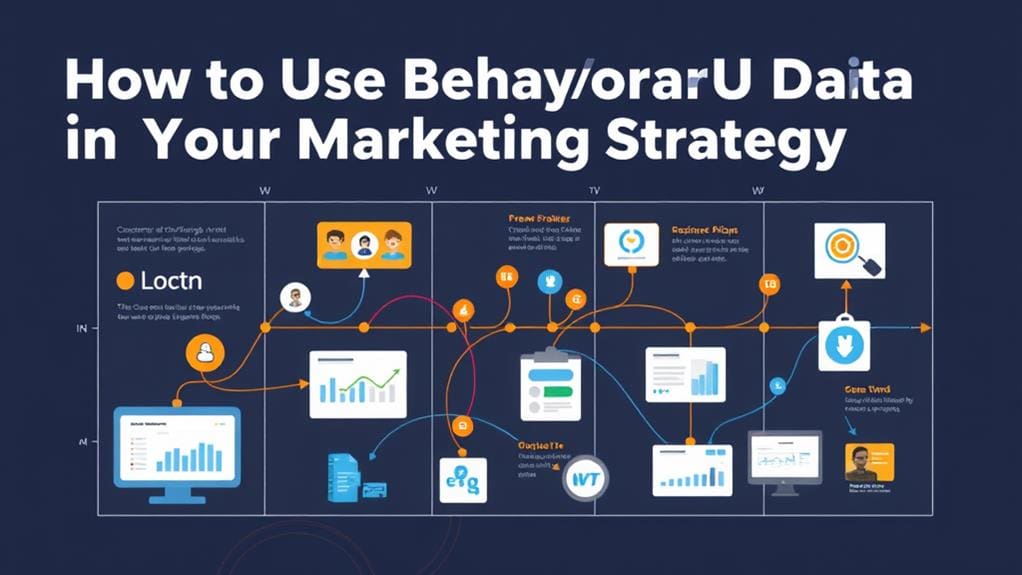
To enhance the overall impact of marketing efforts, optimizing the customer journey is essential. By employing data-driven strategies, businesses can create an experience that not only engages customers but also nurtures deeper brand loyalty.
Utilizing customer touchpoints analysis and journey mapping techniques allows organizations to visualize the customer's interactions across multiple channels, leading to a more coherent and satisfying experience.
Here are three critical steps to optimize the customer journey:
- Identify Key Touchpoints: Conduct a thorough customer touchpoints analysis to determine all the interaction points throughout the customer lifecycle. This approach helps identify the most impactful stages where personalized engagement can greatly influence customer decisions.
- Implement Journey Mapping Techniques: Create detailed customer journey maps to visualize the end-to-end experience from initial contact to post-purchase follow-up. These mapping techniques highlight pain points and areas of opportunity, allowing marketers to streamline processes and enhance user experience effectively.
- Leverage Behavioral Data: Utilize behavioral data to continually refine the customer journey. By analyzing user behavior patterns, marketers can tailor messages and offers at strategic moments, promoting a sense of autonomy and freedom in decision-making.
Measuring Campaign Effectiveness
Effective measurement of campaign effectiveness is essential for businesses aiming to maximize their return on investment and refine their marketing strategies. By leveraging behavioral data, companies can accurately gauge campaign metrics that reflect true performance. Key performance indicators (KPIs) such as click-through rates, conversion rates, and cost per acquisition should be established to create a robust framework for assessment.
Audience engagement is another significant aspect, as it reveals how well the campaign resonates with the target demographic. Analyzing interaction rates—such as likes, shares, and comments—provides insight into consumer sentiment. This data, when paired with conversion analysis, allows for a deeper understanding of the customer journey, pinpointing which touchpoints lead to conversions and which may hinder progress.
An effective ROI assessment not only quantifies monetary gains versus costs but also integrates qualitative feedback from customers. Surveys, reviews, and social media sentiment can yield profound insights into what elements of the campaign were successful or required improvement.
For example, understanding why certain audiences engaged more can indicate areas needing adjustment for future campaigns.
Adapting Strategies Over Time

A continuous evaluation of campaign effectiveness lays the groundwork for adapting marketing strategies in response to evolving consumer behaviors and market conditions.
As organizations become more adept at analyzing behavioral data, they can implement adaptive tactics that guarantee alignment with emerging behavioral trends and optimize customer engagement over time.
To effectively adapt marketing strategies, consider the following steps:
1. Monitor Behavioral Trends: Regularly assess consumer interactions with your brand, products, and services. This includes tracking engagement metrics across various channels, such as website traffic, social media activity, and email engagement.
Understanding where shifts occur allows marketers to pivot swiftly.
2. Segment Audiences Dynamically: Use data analytics to create segmented profiles that evolve with consumer behavior. Insights continue to reveal preferences and needs, aiding in the deployment of targeted campaigns that resonate with different audience segments.
This customization can lead to enhanced conversion rates and stronger brand loyalty.
3. Test and Iterate: Embrace an experimental mindset. Implement A/B testing and multivariate tests to evaluate the effectiveness of various marketing elements.
Frequently Asked Questions
What Are Some Ethical Considerations When Using Behavioral Data?
When utilizing behavioral data, ethical considerations must prioritize informed consent and data transparency.
Individuals should be made aware of how their data is collected and utilized, allowing them to make informed choices. Organizations must aim for clarity in data practices, fostering trust with users.
This strategic approach not only complies with legal standards but also respects individual autonomy, ultimately enhancing the integrity of the brand and promoting a culture of responsible data stewardship.
How Can Small Businesses Afford to Collect Behavioral Data?
Imagine a small business maneuvering a bustling marketplace, seeking insights to thrive amidst the competition.
Affordable tools such as Google Analytics and social media insights enable efficient data collection methods without straining budgets.
By leveraging these accessible resources, small businesses can glean valuable behavioral patterns from their customers.
This strategic approach transforms limited budgets into actionable insights, ultimately fostering informed decisions that catalyze growth and enhance customer engagement in a competitive landscape.
Are There Privacy Laws Affecting Behavioral Data Usage in Marketing?
The use of behavioral data in marketing is greatly affected by emerging data privacy laws, such as GDPR and CCPA, which impose strict regulations on data collection and usage.
These laws present compliance challenges for organizations, as marketers must navigate the delicate balance between leveraging data insights and respecting consumer privacy.
Strategies must prioritize transparent data practices and informed consent, ensuring that freedom of choice remains a core tenet in any data-driven approach.
Can Behavioral Data Predict Future Buying Trends?
Behavioral data can indeed predict future buying trends through thorough trend analysis and consumer insights.
For instance, a retailer analyzing past purchase behaviors observed that a surge in eco-friendly product purchases corresponded with increased social media engagement around sustainability.
By leveraging this data, the retailer successfully anticipated a 30% rise in demand for organic products the following quarter, enabling strategic inventory planning and targeted marketing campaigns.
Such predictive analytics empower businesses to stay ahead in a competitive landscape.
How Does Cultural Context Influence Behavioral Data Interpretation?
Cultural context greatly affects the interpretation of behavioral data, as cultural norms shape consumer actions and preferences.
Failure to take into account these nuances can lead to data bias, resulting in misleading insights. For instance, a marketing strategy that does not account for local traditions may misrepresent customer intent.
Understanding the interplay between culture and behavior is essential for developing strategies that resonate with diverse audiences, enabling more accurate predictions and fostering deeper consumer engagement.
Conclusion
In the vast ocean of consumer data, behavioral insights serve as the compass guiding effective marketing strategies. By harnessing various types of behavioral data and employing analytical tools, marketers can craft personalized campaigns that resonate deeply with diverse audience segments. Continuous optimization of the customer journey guarantees relevance and engagement, while measuring campaign effectiveness allows for informed adaptations over time. Ultimately, integrating behavioral data transforms marketing approaches from guesswork into a precise art, fostering deeper connections with consumers.