How to Use Branding to Drive Customer Loyalty
To leverage branding for enhanced customer loyalty, begin by understanding your brand identity and clearly communicating your core values. Build emotional connections through authentic storytelling and consistent messaging that resonates with your audience. Personalize customer experiences to foster deeper engagement and leverage social proof to instill trust. Community involvement reinforces connections and cultivates brand advocates. Finally, measure loyalty effectively through metrics like purchase frequency and brand satisfaction. By strategically aligning these elements, brands can create lasting emotional bonds with customers, enticing them to remain loyal. Further insights reveal how to implement these strategies for maximum impact.
Key Takeaways
- Develop a strong brand identity that resonates emotionally with customers, enhancing their loyalty and connection to the brand.
- Clearly communicate your core values to attract consumers who share similar principles, fostering trust and loyalty.
- Utilize storytelling techniques to create emotional connections, transforming customers into advocates for the brand.
- Engage authentically with your audience on social media to strengthen relationships and encourage community involvement.
- Implement personalized customer experiences based on feedback and behavior to enhance relevance and build loyalty.
Understand Your Brand Identity
A robust brand identity serves as the cornerstone of effective branding strategies aimed at fostering customer loyalty. Understanding your brand identity is essential for distinguishing your business in a competitive marketplace. This identity is not merely a logo or a color palette; it encompasses the brand personality traits that define how your customers perceive and interact with your brand.
A well-defined brand personality can evoke emotional responses and create lasting impressions, ultimately influencing customer behavior. For instance, a brand perceived as trustworthy and reliable tends to cultivate a loyal customer base, whereas one lacking clarity may confuse potential buyers. Consequently, brand perception management becomes critical. It involves actively shaping how your brand is viewed by crafting messages that resonate with your target audience and consistently delivering on those promises.
To achieve mastery in understanding your brand identity, one must explore the nuances of brand personality traits and their impact on customer loyalty. Brands should engage in thorough market research to identify the characteristics that appeal to their target demographic, ensuring alignment between perceived and actual brand identity.
This alignment fosters a sense of belonging and trust among consumers, further solidifying their loyalty.
Communicate Core Values
Effective communication of core values is essential for building a strong connection between a brand and its customers. Core values serve as the foundation of a brand's identity and influence customer perception. By articulating these values clearly, brands can foster loyalty among consumers who resonate with their principles. This alignment often leads to increased customer retention and advocacy.
To successfully communicate core values, brands should engage in value-driven initiatives that exemplify their commitment to these principles. For instance, a company that prioritizes sustainability can implement eco-friendly practices that not only reduce their carbon footprint but also serve as tangible evidence of their ethical branding. This strategy not only reinforces the brand's message but also engages customers in a meaningful dialogue about shared values.
Furthermore, brands must guarantee that their communication channels consistently reflect these core values. Whether through social media, marketing campaigns, or customer service interactions, every touchpoint should reinforce the brand's ethical stance and commitment to its foundational principles. Consistency in messaging builds trust and credibility, encouraging customers to feel more connected to the brand.
Ultimately, communicating core values is about more than mere promotion; it is about creating a narrative that resonates deeply with consumers. By embodying value-driven initiatives and ethical branding practices, brands can not only attract but also retain loyal customers who appreciate their authenticity and commitment to shared ideals.
In a competitive marketplace, this connection can be the differentiator that drives long-term success.
Build Emotional Connections

Building on the foundation of core values, brands can further enhance customer loyalty by fostering emotional connections. Emotional triggers play a pivotal role in this process, allowing brands to resonate deeply with their audiences. Through connection strategies that leverage brand nostalgia, companies can evoke fond memories and shared experiences, reinforcing the bond between customers and the brand.
Utilizing empathy mapping is essential to understanding customer narratives and tailoring marketing efforts to address their emotional needs. By doing so, brands can craft compelling emotional storytelling that transcends transactional relationships, transforming customers into brand advocates. This approach not only cultivates brand affinity but also serves as a critical trust-building mechanism.
Moreover, loyalty drivers are often rooted in emotional connections. When customers feel a genuine emotional engagement, their likelihood of repeat business increases substantially. Brands that master the art of emotional storytelling can effectively convey their missions and values, creating a narrative that customers want to be a part of.
In addition, integrating customer feedback into connection strategies can enhance emotional resonance. By acknowledging and incorporating customer experiences, brands cultivate a sense of belonging, fostering a community that values shared narratives.
Ultimately, building emotional connections is not merely a marketing tactic; it is a strategic imperative that enhances customer loyalty. By focusing on emotional triggers, empathy mapping, and shared experiences, brands can create lasting relationships that drive engagement and loyalty in an increasingly competitive landscape.
Create Consistent Messaging
Creating consistent messaging is pivotal in solidifying brand loyalty, as it establishes a recognizable brand voice that resonates with customers.
By ensuring that visual identity aligns seamlessly with verbal communication, brands can foster a sense of trust and reliability among their audience.
This strategic coherence not only enhances brand perception but also transforms customers into loyal advocates.
Establish Brand Voice
Establishing a distinct brand voice is essential for fostering a strong connection with customers and promoting loyalty. A well-defined brand voice encapsulates the brand personality, guaranteeing tone consistency across all communications. This consistency shapes audience perception, making the brand more recognizable and trusted.
To achieve a compelling brand voice, consider the following elements:
- Vocal Authenticity: Speak honestly and transparently to build trust.
- Messaging Flexibility: Adapt messaging to suit different platforms while maintaining core values.
- Cultural Relevance: Ascertain the voice resonates with the cultural context of your audience.
- Emotional Resonance: Use language that evokes feelings, strengthening emotional ties.
A strong brand voice not only differentiates your brand in a crowded marketplace but also cultivates a loyal customer base.
By aligning your tone with your audience's expectations, you create a more engaging experience that fosters loyalty. Ultimately, a consistent and authentic brand voice serves as the foundation for meaningful relationships, enhancing both customer satisfaction and long-term brand equity.
Embrace the nuances of vocal authenticity and cultural relevance to solidify your brand's position in the minds of your customers.
Visual Identity Alignment
Visual identity serves as a powerful extension of a brand's voice, playing a pivotal role in how customers perceive and connect with a brand. To achieve brand consistency, organizations must carefully consider elements such as color psychology, logo design, and typography choices. Each aspect must align to create a cohesive visual narrative that resonates with the target audience.
Effective visual hierarchy guides customers through a brand's message, ensuring that key elements are emphasized appropriately. Imagery selection should evoke the desired emotional response, reinforcing the principles of emotional branding. By curating brand aesthetics that reflect current design trends while remaining true to the brand's essence, companies foster a relatable and trustworthy image.
Moreover, packaging design is often the first tactile interaction consumers have with a brand. Consequently, it should harmonize with the overall visual identity to enhance recognition and loyalty.
Utilize Storytelling Techniques

Storytelling techniques serve as powerful tools within the domain of branding, enabling companies to forge emotional connections with their customers. By employing narrative techniques, brands can create compelling brand myths and legends that resonate deeply within the consumer psyche.
These stories not only foster emotional resonance but also enhance the imagery impact of the brand, transforming mundane interactions into immersive experiences.
To craft these narratives effectively, brands can utilize various storytelling formats that incorporate user-generated content and authentic customer stories. This approach not only enriches the brand's folklore but also invites customers to participate in the storytelling process.
Consider the following elements that can amplify a brand's narrative:
- Rich character development: Create relatable protagonists that embody brand values, allowing customers to see themselves in the story.
- Conflict and resolution: Introduce challenges faced by the characters that reflect real-world problems, showcasing how the brand provides solutions.
- Visual metaphors: Utilize striking imagery to encapsulate key messages, making the narrative memorable and impactful.
- Cultural relevance: Anchor stories in cultural contexts, enhancing their relatability and encouraging broader community engagement.
Engage With Your Audience
Engaging with your audience is paramount for fostering brand loyalty, as it allows companies to build emotional connections that resonate deeply with consumers.
By leveraging social media platforms, brands can create authentic interactions that not only enhance visibility but also cultivate a loyal community.
This two-fold approach transforms customers from passive observers into active participants, reinforcing their commitment to the brand.
Build Emotional Connections
Building emotional connections with your audience is a critical component of effective branding, serving as the bridge between a company's values and the hearts of its customers.
Emotional branding fosters customer attachment by creating a sense of belonging and understanding that resonates deeply. This connection is not merely transactional; it thrives on shared values and trust building, driving brand advocacy and loyalty.
To achieve this, consider the following strategies:
- Craft memorable experiences that evoke feelings of joy, nostalgia, and inspiration.
- Utilize storytelling that reflects your brand's journey and values, allowing customers to see themselves within your narrative.
- Encourage community engagement where customers can share their experiences, forging deeper emotional resonance.
- Highlight social impact initiatives that align with customer values, reinforcing their emotional investment in your brand.
Leverage Social Media
Harnessing the power of social media is essential for brands aiming to cultivate and sustain customer loyalty in today's digital landscape. To effectively engage with your audience, it is vital to stay attuned to evolving social media trends and implement a robust content strategy that resonates with your target demographic.
Utilizing influencer marketing can amplify your reach and foster trust, as influencers embody authenticity and relatability. Audience targeting should be refined through the use of analytics tools to gain insights into customer preferences and behaviors. This data-driven approach enables brands to create tailored experiences that enhance platform engagement.
User-generated content serves as a powerful indicator of customer loyalty, as it showcases genuine interactions with your brand. Encourage this by launching hashtag campaigns that invite participation and foster community.
Additionally, strategic brand collaborations can enhance visibility while aligning with shared values, ultimately deepening customer connections.
Lastly, leveraging visual storytelling can capture attention and evoke emotion, making your brand memorable. By integrating these elements into your social media strategy, you can effectively engage your audience, driving loyalty and long-term success.
Personalize Customer Experiences

A significant number of consumers now expect brands to deliver tailored experiences that resonate with their individual preferences and needs.
To cultivate customer loyalty, brands must engage in sophisticated personalization strategies that leverage data personalization and behavior analysis. This involves meticulously mapping user journeys to understand how customers interact with products and services, allowing for the creation of tailored offerings that truly resonate.
Consider the following aspects critical to personalized customer experiences:
- Feedback Integration: Actively solicit and incorporate customer feedback into your offerings to guarantee alignment with their evolving preferences.
- Experience Mapping: Visualize and analyze each touchpoint in the customer journey to identify opportunities for personalization.
- Targeted Communication: Craft messages that speak directly to customer interests, enhancing relevance and engagement.
- Dynamic Content Delivery: Use technology to present content and promotions that adapt based on individual user behavior and past interactions.
Leverage Social Proof
Approximately 70% of consumers are influenced by online reviews before making a purchase, underscoring the critical role of social proof in shaping brand perception and customer loyalty.
Social proof manifests in various forms, including customer testimonials, user-generated content, and community endorsements, all serving as powerful trust signals that can guide potential customers in their decision-making process.
Utilizing online reviews effectively is essential for reputation management. Brands should actively solicit and showcase positive feedback through strategically designed feedback loops, ensuring that customer voices are amplified.
This not only enhances credibility but also fosters a sense of community among brand advocates. When potential buyers see their peers endorsing a product or service, they experience social validation, which greatly boosts their confidence in choosing that brand.
Moreover, influencer partnerships can further elevate social proof. By collaborating with respected figures within the industry, brands can leverage their reach and credibility to enhance trustworthiness.
Influencers often serve as a bridge, connecting brands with new audiences and reinforcing the notion that a product is worth considering.
Foster Community Engagement
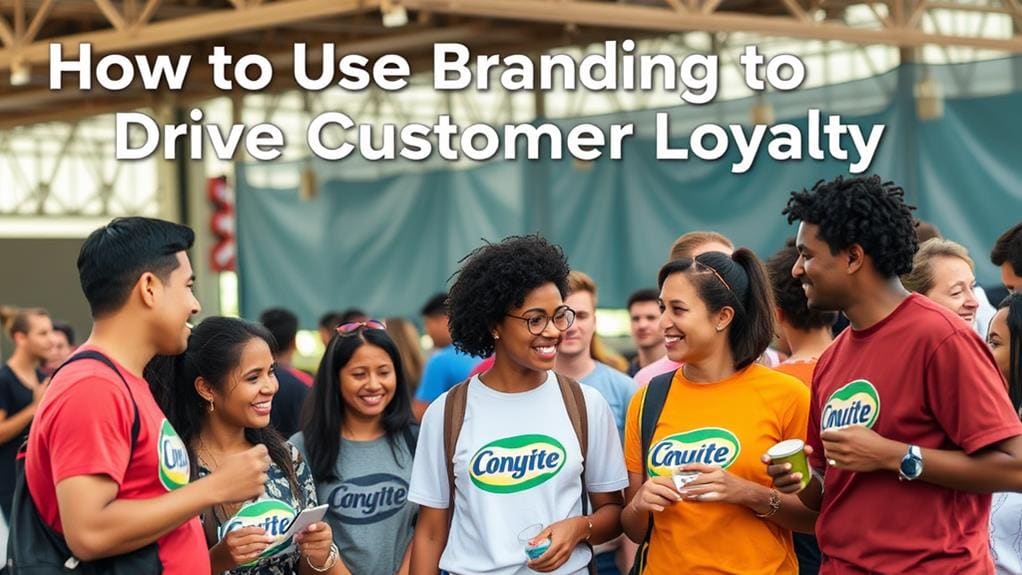
Building on the foundation of social proof, fostering community engagement is an essential strategy for enhancing customer loyalty. By creating an ecosystem where customers feel connected, brands can turn casual buyers into devoted advocates. This sense of belonging transforms the customer experience, making it richer and more rewarding.
To effectively foster community engagement, consider the following strategies:
- Host community events that allow customers to connect in person, reinforcing brand loyalty through shared experiences.
- Cultivate online forums where customers can discuss products, share insights, and provide customer feedback, creating a dialogue that enhances brand perception.
- Leverage brand ambassadors who resonate with your audience, using their influence to foster a sense of community and trust.
- Develop loyalty programs that reward participation, such as member exclusives and interactive content, encouraging ongoing engagement.
Additionally, brands can enhance their community presence through collaborative projects and local sponsorships, which resonate with community values and encourage participation. Influencer partnerships can further amplify these efforts, tapping into existing networks to reach a broader audience.
By integrating these elements, brands not only create vibrant communities but also deepen emotional connections, making customers feel valued and heard.
Ultimately, fostering community engagement cultivates a loyal customer base, driving repeat business and enhancing brand advocacy. Brands that master this approach position themselves as essential players in their customers' lives, securing a competitive edge in today's marketplace.
Measure Brand Loyalty Effectively
To effectively measure brand loyalty, organizations must focus on key loyalty metrics that provide actionable insights.
Utilizing targeted survey techniques can capture customer sentiments and behavior, while robust data analysis strategies transform raw information into meaningful patterns.
Together, these elements create a thorough framework for understanding and enhancing customer loyalty.
Key Loyalty Metrics
Measuring brand loyalty effectively requires a nuanced understanding of key loyalty metrics that serve as indicators of customer commitment and engagement.
By analyzing these metrics, businesses can refine their loyalty programs and retention strategies, fostering deeper emotional branding and brand advocacy.
Key loyalty metrics include:
- Purchase Frequency: Tracking how often customers return to make purchases can illuminate the effectiveness of loyalty rewards and customer engagement initiatives.
- Churn Analysis: Understanding the reasons behind customer attrition allows brands to implement targeted strategies to retain valuable clientele.
- Brand Satisfaction: Regularly evaluating customer satisfaction provides insights into the effectiveness of loyalty programs and overall brand perception.
- Feedback Loops: Establishing consistent channels for customer feedback guarantees continuous improvement and adaptation to changing customer needs.
Survey Techniques Overview
Surveys serve as a powerful tool for gauging brand loyalty, offering insights that go beyond mere transactional data. Effective survey design is critical; it requires a strategic approach to question types that elicit meaningful feedback from diverse participant demographics. Crafting questions that balance qualitative research with quantitative insights enables brands to capture the nuances of customer sentiment.
To maximize response rates, leveraging appropriate survey tools is essential. Online platforms can streamline data collection, ensuring that the surveys reach a broad audience and facilitate customer segmentation for targeted analysis. Understanding different participant demographics allows for tailored questions that resonate with specific groups, enhancing the quality of the feedback gathered.
Furthermore, feedback analysis plays a pivotal role in interpreting the data collected. By examining responses through various lenses, brands can identify trends and patterns that inform their loyalty strategies. The integration of qualitative and quantitative data not only enriches the understanding of brand loyalty but also fosters a more profound connection with customers.
Ultimately, utilizing robust survey techniques equips brands with the insights necessary to drive customer loyalty effectively, establishing a foundation for long-term engagement and success.
Data Analysis Strategies
Effective data analysis strategies are essential for accurately measuring brand loyalty and translating customer insights into actionable business decisions. By leveraging advanced analytical techniques, organizations can gain a thorough understanding of customer behaviors and preferences, ultimately driving loyalty.
To achieve this, consider implementing the following strategies:
- Customer Segmentation Strategies: Tailor marketing efforts by identifying distinct customer groups based on behaviors and preferences.
- Behavioral Analysis Techniques: Analyze customer interactions to uncover patterns that indicate loyalty levels and engagement.
- Predictive Analytics Methods: Utilize statistical models to forecast future customer behavior, enabling proactive measures to enhance loyalty.
- Data Visualization Tools: Present complex data in intuitive formats, facilitating easier interpretation of brand performance metrics and market trend identification.
Frequently Asked Questions
How Can I Identify My Brand's Unique Selling Proposition?
Identifying your brand's unique selling proposition (USP) requires a strategic approach.
Begin with customer perception analysis to understand how your target audience views your offerings compared to competitors.
Utilize brand differentiation strategies, such as highlighting unique features, benefits, or values that resonate with consumers.
Engaging in market research and competitor analysis can further clarify your USP, enabling you to effectively communicate what sets your brand apart and fosters deeper customer connections.
What Tools Can Help Measure Customer Loyalty Effectively?
According to recent studies, businesses with high customer loyalty can see up to a 65% increase in profitability.
To effectively measure customer loyalty, utilize loyalty metrics such as Net Promoter Score (NPS) and Customer Satisfaction Score (CSAT).
Additionally, gathering customer feedback through surveys and focus groups can provide valuable insights into customer perceptions and behaviors.
Employing these tools strategically will enable businesses to cultivate deeper relationships and enhance loyalty among their clientele.
How Often Should I Update My Brand Messaging?
Updating brand messaging is essential for maintaining relevance in a dynamic market. A brand refresh should occur every 2-3 years or in response to significant industry changes.
Consistency in messaging is vital; frequent updates can confuse your audience and dilute brand identity. However, regular assessments allow for strategic adjustments, ensuring that your messaging resonates with evolving consumer expectations while reinforcing brand loyalty and recognition.
Prioritizing a balance between innovation and consistency is key.
What Are the Best Platforms for Community Engagement?
Identifying the best platforms for community engagement is essential for fostering strong connections.
Social media platforms like Facebook and Instagram facilitate real-time interactions, while online forums provide dedicated spaces for in-depth discussions.
Engaging brand ambassadors can amplify your reach, and loyalty programs can incentivize participation.
Additionally, hosting community events and leveraging influencer collaborations can enhance visibility, while niche groups cater to specific interests, allowing for authentic customer feedback and deeper engagement.
How Do Branding Strategies Differ for B2B Vs. B2c?
Ironically, one might assume branding strategies are universally applicable; however, they diverge considerably between B2B and B2C contexts.
In B2B, the focus often lies on brand perception as a reflection of expertise and reliability, targeting decision-makers who prioritize functionality.
Conversely, B2C branding emphasizes emotional connections, appealing to a broader target audience that seeks relatability and lifestyle alignment.
Ultimately, the effectiveness of branding hinges on understanding these distinct dynamics, tailoring strategies to resonate with each audience.
Conclusion
In the dynamic landscape of consumer behavior, the strategic application of branding emerges as a pivotal force in cultivating customer loyalty. By weaving a compelling narrative, forging emotional bonds, and maintaining consistent communication, brands can transform fleeting interactions into enduring relationships. However, the ultimate challenge lies ahead: will these strategies resonate deeply enough to foster unwavering loyalty, or will they merely echo in the backdrop of an ever-evolving marketplace? The answer, critical for future success, remains shrouded in anticipation.