How to Use Competitive Analysis in Your Marketing Strategy
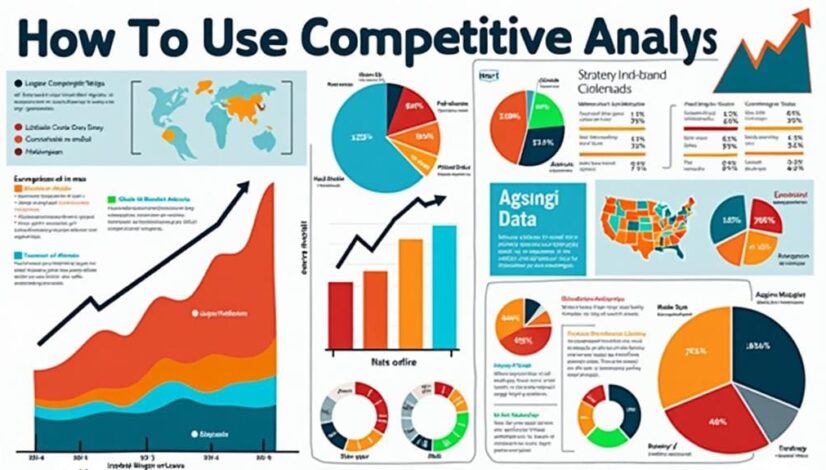
Competitive analysis is essential for shaping an effective marketing strategy. It begins by identifying direct and indirect competitors and thoroughly evaluating their strengths and weaknesses through tools like SWOT analysis. This process reveals market gaps and informs branding, pricing, and product offerings. By understanding competitor tactics and consumer preferences, businesses can position themselves strategically and enhance customer engagement. Continuous monitoring of competitor innovations and market shifts allows for agile adjustments in strategy. A proactive approach to competitive insights fosters differentiation and loyalty, helping brands adapt and thrive. Exploring these facets can offer deeper insights into maximizing your marketing potential.
Key Takeaways
- Conduct a SWOT analysis to evaluate competitors' strengths and weaknesses, informing your marketing strategy.
- Identify both direct and indirect competitors to better understand market positioning and branding strategies.
- Leverage insights from competitors to differentiate your brand through unique value propositions and tailored messaging.
- Continuously monitor competitor activities and market trends to adapt your marketing strategies effectively.
- Utilize digital tools and analytics for ongoing assessment and refinement of your competitive analysis efforts.
Understanding Competitive Analysis
Competitive analysis serves as a foundational pillar in the development of an effective marketing strategy. By systematically evaluating market dynamics and the competitive landscape, organizations can gain critical insights into their relative market positioning. Understanding the strengths and weaknesses of competitors enables businesses to identify gaps in the market and capitalize on opportunities that align with their capabilities and vision.
A robust method for conducting competitive analysis is the SWOT analysis, which categorizes internal strengths and weaknesses alongside external opportunities and threats. This analytical framework allows businesses to assess their unique value proposition in relation to competitors and the broader market environment.
For example, a company's strength in technological innovation may provide a significant edge in a saturated market, while potential threats from emerging competitors emphasize the need for continual adaptation.
Moreover, the knowledge gained from competitive analysis fuels strategic decision-making, empowering organizations to chart a course that is not only reactive but also proactive. By understanding competitor strategies—such as pricing models, marketing techniques, and product offerings—businesses can finesse their market positioning to resonate more deeply with target audiences.
This clarity not only influences marketing messaging but also enhances brand loyalty and customer engagement.
Identifying Key Competitors
A thorough understanding of the competitive landscape begins with the identification of key competitors within a given market. This critical step involves distinguishing between direct and indirect competitors, which allows businesses to strategize effectively. Direct competitors are those offering similar products or services targeting the same audience, while indirect competitors may fulfill the same customer needs through alternative solutions. Recognizing both types elevates market awareness and informs positioning strategies.
Once direct and indirect competitors are identified, analyzing their market positioning is essential. This involves understanding how competitors differentiate their brands and the unique selling propositions they offer to their target audience. A skilled marketer will evaluate the strengths and weaknesses of various competitors, seeking insights that may reveal opportunities for brand differentiation. This can enhance a company's value proposition, fostering a competitive edge in a crowded market.
Moreover, the identification process extends to evaluating competitors' branding strategies, messaging, and customer engagement practices. By focusing on their target audience and the channels they utilize to connect, organizations can identify gaps in the market and respond with tailored offerings that resonate with consumers.
Analyzing Competitor Strategies

Understanding competitor strategies is essential for any organization aiming to gain a sustainable advantage in the market. By systematically analyzing the approaches adopted by competitors, businesses can uncover valuable insights that inform their own marketing strategies.
A thorough SWOT analysis—evaluating Strengths, Weaknesses, Opportunities, and Threats—provides a robust framework for evaluating competitors' positioning within the marketplace. By dissecting their strengths and weaknesses, businesses can identify both potential areas for differentiation and threats to address.
Additionally, strategy mapping serves as a critical tool in visualizing competitors' strategic goals and the initiatives they have implemented to achieve them. Through this process, organizations can pinpoint competitor priorities and resource allocations, revealing potential gaps in the market. For instance, if one competitor focuses heavily on innovation while another emphasizes customer service, this creates a dual opportunity for the discerning organization to either innovate similarly or excel in service excellence.
Moreover, tracking the evolution of competitor strategies over time can yield potent lessons. Monitoring shifts in tactics in response to market changes or consumer preferences allows businesses to be proactive rather than reactive.
Ultimately, a strategic analysis of competitor strategies ultimately empowers organizations to design targeted marketing efforts that resonate with consumer desires while championing their unique value propositions. By utilizing tools like SWOT analysis and strategy mapping, companies can navigate the complexities of competitive dynamics, positioning themselves to not only survive but thrive in an ever-evolving market landscape.
Leveraging Insights for Your Brand
Insights gleaned from the analysis of competitor strategies can serve as a powerful catalyst for brand development and positioning. By examining how rivals capture market share, respond to consumer needs, and enact their messaging, brands can unearth invaluable opportunities for differentiation. Identifying gaps in competitor offerings enables a company to carve out a unique space within the marketplace. This strategic insight is not merely reactive; it informs proactive initiatives to elevate brand identity and guarantee relevance.
Brand differentiation becomes paramount in this setting. By recognizing and leveraging your competitors' weaknesses, your brand can emphasize its unique value proposition—be it product features, customer service, or brand ethos. For example, if competitors are focused heavily on price, positioning your brand as a quality leader can resonate deeply with consumers seeking lasting value over mere affordability.
Moreover, understanding competitors' market positioning strategies offers critical insights into consumer sentiment. This allows brands to adjust their approaches, ultimately aligning more closely with the desires and expectations of their target audience. Tailoring messaging and branding around these insights fosters deeper connections with consumers, creating loyalty forged by understanding and empathy.
Ultimately, competitive analysis transforms insights into strategic actions. By leveraging these insights effectively, brands can not only define their market positioning but also establish a resonant narrative that speaks authentically to their audience, guaranteeing a sustainable competitive advantage in an ever-evolving landscape.
Monitoring Ongoing Competition

Effective monitoring of ongoing competition is essential for brands seeking to maintain a competitive edge in today's dynamic market.
In an environment where market trends shift rapidly and consumer preferences evolve, continuous vigilance over competitors can uncover valuable insights, allowing organizations to adapt and thrive. This proactive approach supports not only immediate strategic responses but also long-term planning through informed competitor benchmarking.
To effectively monitor competition, brands should prioritize the following actions:
- Regularly analyze competitor offerings: Keep abreast of new product launches, services, and features that may influence customer decisions.
- Track pricing strategies: Stay informed on competitor pricing adjustments to align your own pricing strategies efficiently.
- Evaluate marketing campaigns: Analyze competitors' promotional strategies and channels to identify potential gaps in your approach.
- Investigate customer feedback: Review online reviews and social media engagement to gauge market sentiment surrounding competitors.
- Utilize analytics tools: Employ digital tools to track competitor performance metrics, such as website traffic and social media engagement.
Frequently Asked Questions
How Often Should I Conduct a Competitive Analysis?
Conducting a competitive analysis requires a thoughtful approach to frequency assessment and analysis timing.
It is advisable to perform a thorough review quarterly to remain attuned to market shifts and competitor strategies.
Additionally, key industry changes—such as product launches or significant market disruptions—should prompt an immediate analysis.
This strategic rhythm not only enhances preparedness but also empowers decision-makers to navigate the competitive landscape dynamically, fostering a culture of agility and freedom in business operations.
What Tools Are Best for Analyzing Competitors?
In the intricate tapestry of business, understanding competitors is akin to a masterful chess game—strategies must be anticipated and countered.
Tools like SWOT analysis illuminate strengths and weaknesses, while digital footprint analysis reveals market positioning.
Customer reviews and social media insights shed light on brand messaging, and pricing models provide competitive context.
An effective content strategy leverages this intelligence, ensuring your approach resonates with your audience and stands distinct in a crowded marketplace.
How Can Competitive Analysis Impact My Pricing Strategy?
Competitive analysis greatly influences pricing strategy by providing insights into market positioning and competitor pricing adjustments.
By evaluating competitors, businesses can identify gaps in their pricing strategy, ensuring alignment with market expectations while enhancing value perception.
This analysis enables informed decision-making regarding price points, promotional tactics, and perceived benefits, ultimately allowing organizations the strategic freedom to adapt prices dynamically, thereby improving competitiveness and fostering consumer loyalty.
An agile approach to pricing can yield substantial market advantages.
Is It Ethical to Use Competitors' Advertising Ideas?
In the vast forest of commerce, where ideas flow like streams, the question of ethical foraging arises.
While competitors' advertising concepts may serve as creative inspiration, it is paramount to uphold advertising ethics. Emulating a competitor's unique approach can lead one astray, blurring the line between homage and imitation.
Strategic innovation, drawn from the essence of others' ideas, fosters a vibrant ecosystem where originality thrives, ensuring freedom of expression and integrity in marketing practices.
Can Small Businesses Benefit From Competitive Analysis Too?
Absolutely, small businesses can substantially benefit from competitive analysis.
By examining competitors' market positioning, these businesses can identify gaps and opportunities within their industry. Understanding how competitors target their audience allows small firms to tailor their marketing strategies more effectively, enhancing customer engagement.
Additionally, insights gained from competitive analysis can inform product development and pricing strategies, empowering small businesses to compete strategically and assertively in a challenging market landscape.
Conclusion
In the intricate landscape of marketing, competitive analysis serves as a compass, guiding brands through the tumultuous waters of rivalry. By meticulously understanding competitor strategies and identifying their unique positioning, brands can unearth valuable insights that illuminate pathways to differentiation. Continuous monitoring transforms competitive analysis into a dynamic tool, ensuring relevance amidst shifting tides. Ultimately, harnessing these insights allows for the crafting of strategic initiatives that not only navigate competition but also carve a distinct identity in the marketplace.