
The Benefits of AI-Powered Analytics for SMBs
AI-powered analytics provide SMBs with essential tools for enhanced decision-making and competitive advantage. By leveraging machine learning algorithms, these businesses can uncover valuable insights from data, facilitating real-time responses to market changes. Enhanced customer segmentation allows for personalized marketing efforts, improving customer loyalty and satisfaction. Furthermore, predictive analytics streamline operations by anticipating trends and customer behavior, leading to more effective resource allocation and cost savings. With its ability to transform data into actionable insights, AI-powered analytics empowers SMBs to adapt strategically in a dynamic marketplace. There is much more to explore about how these tools can benefit businesses considerably.
Key Takeaways
- AI-powered analytics enhance decision-making by delivering real-time, data-driven insights for strategic choices tailored to market dynamics.
- Improved customer insights through predictive behavior analysis enable SMBs to personalize marketing strategies and enhance customer loyalty.
- Predictive analytics allows effective demand forecasting and churn analysis, aligning products with customer needs for sustainable growth.
- Real-time performance analysis provides immediate feedback, enabling swift adaptations of marketing strategies for optimal resource allocation.
- AI-driven insights optimize operational efficiency, identifying savings opportunities and enhancing resource allocation for cost-effective business practices.
Understanding AI-Powered Analytics
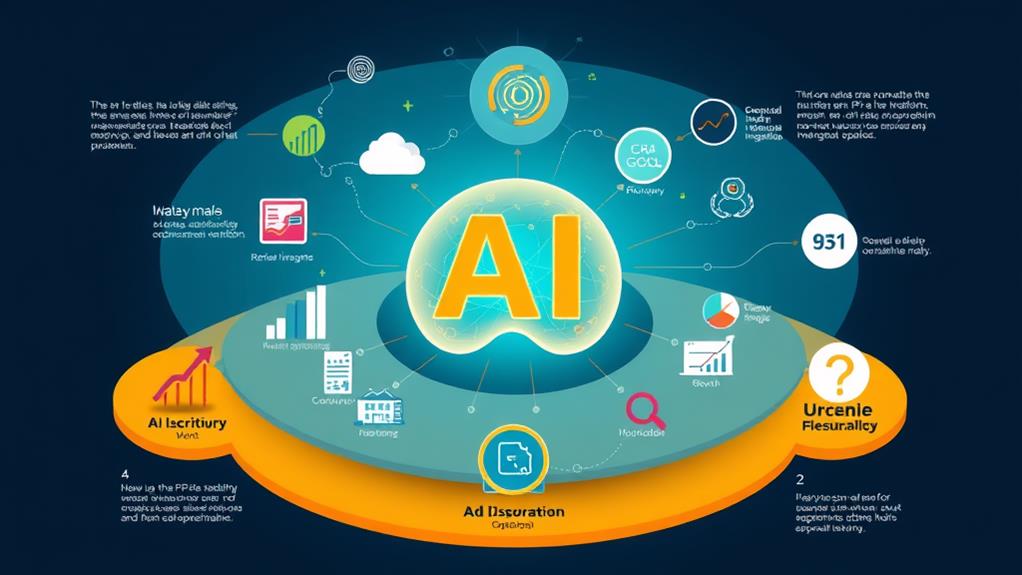
Understanding AI-powered analytics involves recognizing how artificial intelligence transforms data into actionable insights for small and medium-sized businesses (SMBs). The fusion of AI fundamentals with advanced analytics tools allows organizations to harness vast quantities of data, facilitating data integration from various sources.
Through machine learning algorithms, these tools can uncover patterns and trends that empower SMBs to optimize operations and enhance user experience.
The application of business intelligence methodologies in AI-powered analytics creates an environment conducive to insightful trend analysis. This analytical approach not only assists in identifying past and present trends but also predicts future outcomes, enabling SMBs to stay ahead of the competition.
Additionally, effective data visualization techniques are crucial in presenting complex data sets in an accessible format, allowing decision-makers to grasp intricate details with ease.
Implementing AI-powered analytics requires astute implementation strategies to guarantee that the chosen software solutions align with the specific needs of the business. This strategic alignment enables SMBs to derive maximum value from their analytics initiatives, fostering a culture of data-driven decision-making.
As these businesses navigate the complexities of the digital age, the integration of AI technologies into their analytics frameworks becomes increasingly essential.
Improved Decision-Making Processes
The integration of AI-powered analytics fundamentally enhances decision-making processes within SMBs by delivering data-driven insights that inform strategic choices. In an increasingly competitive landscape, the ability to leverage vast amounts of data in real time allows SMBs to respond quickly and effectively to market dynamics. This improved agility is largely facilitated by advanced data visualization techniques that make complex data sets accessible and actionable, enabling decision-makers to grasp trends and patterns with ease.
Moreover, AI-powered analytics fosters collaboration within organizations through innovative collaborative tools that unite diverse teams behind a common objective. By breaking down silos and promoting information-sharing, these tools empower employees across various departments to contribute their expertise to the decision-making process. This collective intelligence not only enhances the quality of the insights but also leads to a more unified strategic direction, ultimately driving organizational success.
Furthermore, the predictive capabilities of AI analytics allow SMBs to anticipate future trends and risks, thereby minimizing uncertainty in their strategic choices. Decision-makers can evaluate multiple scenarios, assess potential outcomes, and make informed risk assessments that lead to more confident actions.
The adoption of AI-powered analytics transforms intuition-driven decisions into informed choices grounded in data, offering a significant competitive advantage. As SMBs embrace these technologies, they not only enhance their decision-making processes but also cultivate a culture of innovation and adaptability that is essential for long-term sustainability and growth.
Enhanced Customer Insights
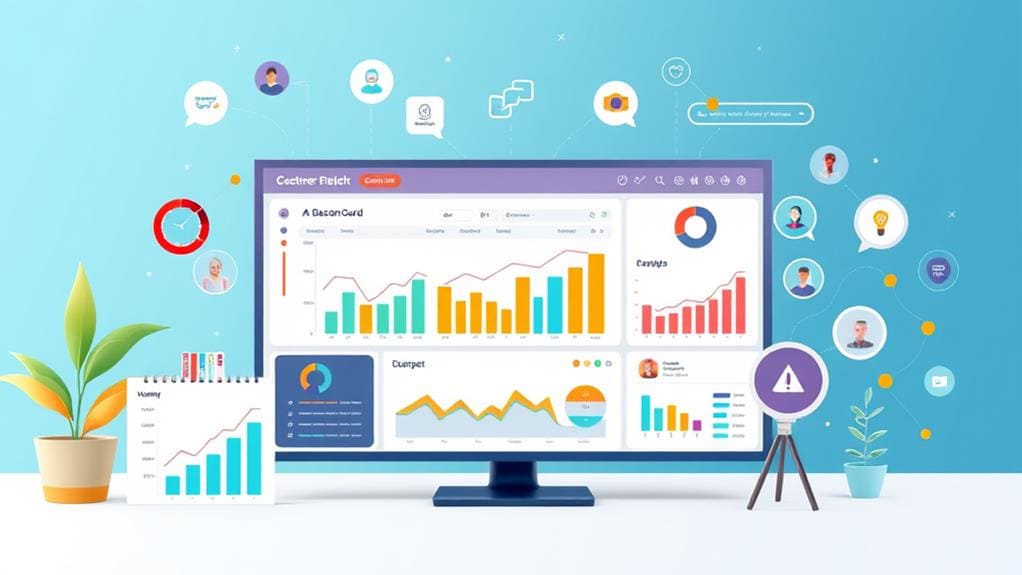
Enhanced customer insights are critical for small and medium-sized businesses aiming to remain competitive in a data-driven landscape.
By leveraging AI-powered analytics, these businesses can uncover personalization opportunities that cater to specific customer preferences, thereby increasing engagement and loyalty.
Additionally, predictive behavior analysis enables SMBs to anticipate customer needs and adapt their strategies proactively, ensuring sustained growth and relevance in the market.
Data-Driven Decision Making
Data-driven decision making has become an indispensable strategy for small and medium-sized businesses (SMBs) seeking to enhance customer insights. Leveraging AI-powered analytics tools allows these organizations to transform raw data into actionable intelligence, enabling them to make informed decisions that directly influence customer satisfaction and retention.
This approach includes several key elements:
- Data Integration: Seamlessly merging data from various sources guarantees thorough visibility.
- Data Visualization: Employing visual representations simplifies complex datasets and highlights trends.
- Customer Segmentation: Identifying distinct customer groups facilitates targeted marketing strategies.
- Performance Metrics: By monitoring key operational metrics, businesses can evaluate the effectiveness of their initiatives.
Moreover, implementing robust data governance frameworks supports strategic planning and guarantees compliance with regulatory standards.
Utilizing market research paired with advanced analytics provides deeper insights into consumer behavior, allowing SMBs to adapt swiftly to changing market dynamics.
Ultimately, embracing a data-driven culture empowers businesses to increase operational efficiency and foster a deeper connection with their customers, thereby assuring long-term success in a highly competitive landscape.
This paradigm shift reinforces the necessity for enhanced analytics and strong business intelligence practices.
Personalization Opportunities
Harnessing the potential of AI-powered analytics for personalization creates considerable opportunities for SMBs to deepen customer engagement. By leveraging advanced algorithms and data analysis, these businesses can develop sophisticated customer segmentation strategies that go beyond traditional demographics.
This granular understanding of customers' needs and preferences enables SMBs to craft tailored marketing experiences that resonate on a personal level. AI-driven insights allow for dynamic segmentation based on behavior, preferences, and purchasing history, providing a foundation for more relevant engagement.
For example, identifying patterns in customer activity can reveal the best timing and channels for outreach, greatly increasing the likelihood of conversion. In addition, personalizing communication—whether through tailored email content or targeted social media ads—ensures that customers feel valued and understood, fostering loyalty.
As SMBs adopt these AI-powered technologies, they effectively shift from a one-size-fits-all approach to a more nuanced strategy that aligns with individual customer journeys. Consequently, the capacity to create impactful, personalized interactions not only enhances customer satisfaction but also drives sales growth, empowering SMBs to compete against larger entities in an ever-evolving market landscape.
Predictive Behavior Analysis
As SMBs continue to leverage AI-powered analytics for personalization, the next logical step is to employ predictive behavior analysis, which greatly enriches customer insights. This sophisticated approach enables businesses to gain a thorough understanding of customer behavior by analyzing past interactions and identifying patterns. By doing so, SMBs can enhance their marketing strategies and improve overall user engagement.
Predictive behavior analysis allows for:
- Trend Forecasting: Anticipating future customer preferences and needs.
- Sales Predictions: Estimating potential revenue based on historical purchasing behaviors.
- Churn Analysis: Identifying at-risk customers to implement retention strategies.
- Market Segmentation: Tailoring offerings to specific groups based on behavioral patterns.
Furthermore, combining risk assessment with sentiment analysis allows businesses to gauge customer satisfaction while identifying potential areas for improvement.
Effective demand forecasting guarantees that products align with market demand, thereby maximizing resource allocation.
By integrating these elements, SMBs wield the power to not only navigate the complexities of consumer dynamics but also position themselves strategically within competitive markets.
Ultimately, harnessing predictive behavior analysis paves the way for informed decision-making and sustainable growth.
Optimizing Marketing Campaigns
Effective marketing campaigns hinge on a clear understanding of target audience insights, allowing businesses to tailor their messaging and outreach strategies.
By leveraging AI-powered analytics for real-time performance analysis, SMBs can swiftly adapt their tactics to optimize engagement and conversion rates.
Additionally, these tools facilitate cost-effective resource allocation, ensuring that marketing budgets are utilized efficiently and yield maximum returns.
Target Audience Insights
Understanding target audience insights is essential for optimizing marketing campaigns, as it enables businesses to tailor their messaging and strategies to resonate with specific consumer segments. Leveraging AI-powered analytics, SMBs can gain unparalleled access to critical data that enhances their marketing efficacy.
Key components influencing target audience insights include:
- Customer segmentation strategies: Utilizing demographic analysis techniques enables effective categorization of consumers based on distinct characteristics.
- Behavioral targeting methods: These tactics help in understanding past behaviors, allowing for personalized messages that drive engagement.
- Audience engagement metrics: By continuously measuring interaction levels, businesses can adjust their approaches to maximize reach and impact.
- Consumer preference trends: Analyzing these trends informs product development and promotional strategies that align with customer desires.
Incorporating feedback collection approaches and loyalty program insights further refines user experience factors, enabling businesses to engage their audience more effectively.
Real-Time Performance Analysis
Real-time performance analysis serves as an essential tool for SMBs looking to refine their marketing strategies based on immediate data insights. With access to real-time dashboards, businesses can leverage data visualization techniques to present performance metrics in an intuitive manner. This dynamic reporting allows for immediate feedback, enabling marketers to quickly understand the effectiveness of their campaign initiatives.
By monitoring performance benchmarks, SMBs can identify and adapt their strategies in response to changing consumer behaviors. This capability emphasizes the importance of trend spotting; recognizing shifts in audience engagement is fundamental for sustaining competitive advantage.
Equally important are the actionable insights gleaned from these analyses, which inform rapid adjustments to campaigns, ensuring resources are allocated efficiently and effectively.
The adoption of adaptive strategies not only mitigates risks but also fosters a culture of agility within the organization. Such adaptability is essential in today's fast-paced digital landscape, where understanding real-time performance can mean the difference between seizing opportunities and lagging behind competitors.
Cost-Effective Resource Allocation
A strategic approach to cost-effective resource allocation is essential for SMBs aiming to optimize their marketing campaigns and maximize return on investment. By leveraging AI-powered analytics, businesses can achieve budget optimization through precise resource management and informed decision-making.
This technological advancement enables SMBs to implement efficiency strategies that enhance their operational budgeting practices and drive cost reduction.
Key aspects of cost-effective resource allocation include:
- Expense Tracking: Monitor all marketing expenditures to identify areas for potential savings and guarantee funds are appropriately directed.
- Investment Prioritization: Allocate resources to campaigns with the highest predicted ROI based on data-driven insights.
- Financial Forecasting: Utilize predictive analytics to anticipate market trends and adjust marketing strategies accordingly.
- Expenditure Analysis: Analyze past marketing performance to guide future spending and improve overall campaign effectiveness.
Engaging in these practices not only fosters a disciplined approach to resource allocation but also empowers SMBs to make strategically sound financial decisions.
Streamlining Operations and Efficiency

Many small and medium-sized businesses (SMBs) are discovering that AI-powered analytics can considerably streamline operations and enhance efficiency. This transformative technology enables SMBs to harness data in ways previously thought unattainable, facilitating improved decision-making and the optimization of workflows. Through workflow automation, repetitive tasks can be minimized, allowing employees to focus on more strategic initiatives.
Operational transparency is another significant advantage provided by AI-powered analytics. By providing real-time insights into processes, businesses can identify bottlenecks and areas for improvement rapidly. This visibility guarantees that every team member understands their role in the overarching goals of the organization, fostering a culture of accountability and collaboration.
Furthermore, AI algorithms can analyze vast amounts of data to pinpoint inefficiencies within operations. This capability empowers businesses to reallocate resources more effectively, eliminating waste and driving productivity.
Particularly, when integrated into daily operations, AI tools can adjust workflows dynamically, adapting to changing market conditions and internal demands.
The implications extend to customer service as well; with AI-driven analytics, SMBs can streamline their responses to customer inquiries, ultimately improving satisfaction rates. As these businesses leverage the intelligent insights produced by AI, they carve out a competitive advantage that fosters both operational streamline and sustained growth.
Predictive Analytics for Future Trends
Harnessing the power of predictive analytics has become essential for SMBs aiming to stay ahead of market trends and consumer demands. Predictive analytics enables businesses to leverage data-driven insights for effective market forecasting, allowing them to anticipate shifts in customer behavior and preferences.
By embracing advanced technologies, SMBs can enhance their decision-making processes and improve outcomes across various functions.
Critical applications of predictive analytics include:
- Demand forecasting: Anticipating future product demand to guarantee ideal inventory management.
- Sales prediction: Utilizing historical data to forecast future sales trends and enhance financial modeling.
- Risk assessment: Identifying potential risks in market dynamics and developing strategies for mitigation.
- Customer segmentation: Classifying customers based on behavior and preferences to tailor marketing efforts effectively.
Through trend identification and scenario planning, SMBs can proactively respond to changing market conditions and consumer needs.
The fusion of predictive analytics into product development processes allows for timely innovation, aligning offerings with anticipated trends. Additionally, valuable insights gained from predictive analytics can refine customer segmentation strategies, enabling businesses to engage effectively with diverse target audiences.
The freedom to make informed decisions will ultimately empower SMBs to adapt swiftly to future trends, guaranteeing sustainable growth and competitive viability in an ever-evolving marketplace.
In today's data-centric environment, these analytical capabilities are not just advantageous; they have become indispensable for organizations seeking to carve out a distinct presence and maximize operational efficiency.
Competitive Advantage for SMBs

In today's competitive landscape, small and medium-sized businesses (SMBs) face constant pressure to differentiate themselves from larger counterparts while effectively utilizing limited resources. AI-powered analytics offer SMBs a pathway to gain a significant competitive advantage through enhanced market positioning and informed strategic planning. By leveraging advanced data analysis, these businesses can uncover insights about customer behavior, market trends, and operational efficiencies that were previously inaccessible.
SMBs can utilize AI-driven analytics to refine their market positioning. This enables them to identify niche segments and tailor their offerings to better meet specific customer needs, thereby establishing a unique brand identity. The ability to analyze customer feedback and purchasing patterns equips SMBs with the knowledge needed to pivot strategies swiftly, allowing them to stay ahead of larger competitors who may be less agile.
Furthermore, strategic planning becomes a more data-informed process through AI analytics. SMBs can simulate various business scenarios, enabling leaders to make better, more calculated decisions around product development, marketing initiatives, and resource allocation. These insights facilitate a proactive approach, allowing SMBs to anticipate market shifts and react accordingly, rather than simply responding to them.
In essence, AI-powered analytics not only empower SMBs to carve out a distinct market position but also bolster their strategic planning efforts. This dual capability enables them to navigate an increasingly complex business environment, enhancing their ability to compete effectively against larger enterprises.
Cost Savings and Resource Allocation
Efficiency serves as a critical determinant of success for small and medium-sized businesses (SMBs), particularly in the domain of cost savings and resource allocation. AI-powered analytics provide SMBs with the tools to enhance operational efficiency, enabling them to make informed decisions that lead to notable cost reductions.
Effective technology integration not only streamlines processes but also allows for precise financial forecasting, guaranteeing that resources are allocated wisely.
By embracing AI-driven insights, SMBs can achieve significant budget optimization through:
- Expenditure analysis: Understanding spending patterns allows for better control over costs.
- Resource utilization: Identifying underused assets optimizes performance and reduces waste.
- Workforce management: Tailoring personnel deployment improves productivity while minimizing labor costs.
- Strategic investments: Prioritizing initiatives with the highest return on investment guarantees effective capital allocation.
This analytical approach empowers SMBs to enhance their financial acumen. By leveraging AI tools, they can analyze historical data to inform future expenditures, thereby enhancing overall financial visibility.
Additionally, real-time monitoring of spending can lead to more effective resource management, aligning expenditures with business goals and ultimately fostering sustainable growth.
As competition intensifies, understanding the intricacies of cost savings and resource allocation becomes imperative for SMBs seeking autonomy and flexibility in their operational strategies.
Embracing AI-powered analytics not only facilitates better decision-making but also positions these businesses to thrive in an increasingly data-driven marketplace.
Real-World Success Stories
The implementation of AI-driven analytics has not only enabled SMBs to achieve remarkable cost savings and optimized resource allocation but has also led to transformative advancements in operational outcomes.
Real-world success stories illustrate how these technologies are reshaping the landscape for small and medium-sized businesses across various sectors.
For instance, a regional retail company utilized AI analytics to track customer behavior and inventory levels. This successful implementation resulted in a 20% increase in sales through personalized marketing strategies and improved stock management. By utilizing predictive analytics, the company could anticipate demand fluctuations, streamline inventory processes, and greatly reduce overhead costs.
Similarly, an SMB in the manufacturing sector adopted AI-powered analytics to enhance supply chain efficiency. Through data-driven insights, the business optimized its procurement processes, resulting in lower material costs and faster turnaround times. This not only accelerated production but also improved product quality, demonstrating how industry transformations driven by AI can foster competitiveness in a crowded marketplace.
Another notable example comes from a service-based SMB that utilized AI to analyze customer feedback and service delivery metrics. The insights gleaned from this data led to process improvements that enhanced customer satisfaction and retention rates, showcasing the transformative power of AI in shaping customer-centric strategies.
These examples serve as compelling evidence to the myriad benefits of AI-powered analytics, highlighting that through successful implementations, SMBs can navigate and thrive within rapidly evolving industries while maintaining the freedom to innovate and adapt.
Frequently Asked Questions
What Types of Businesses Benefit the Most From Ai-Powered Analytics?
Businesses that stand to gain considerably from AI-powered analytics span diverse sectors, with retail optimization and inventory management being paramount in retail industries.
Companies focused on customer segmentation can refine their marketing insights, enhancing engagement strategies.
Additionally, organizations seeking operational efficiency can leverage AI for financial forecasting and competitive analysis.
Those analyzing sales performance will find actionable data invaluable in making informed decisions, ultimately fostering growth and adaptability across various market conditions.
How Can I Implement Ai-Powered Analytics in My Smb?
To implement AI-powered analytics in your small to medium-sized business, consider the adage "knowledge is power."
Begin with robust data integration strategies to guarantee seamless data flow across platforms.
Evaluate training resources that empower your team to leverage analytics effectively.
Engaging with AI applications can enhance decision-making processes, improve operational efficiencies, and ultimately foster autonomy within your organization.
What Are the Initial Costs of Adopting Ai-Powered Analytics?
The initial costs of adopting AI-powered analytics can be substantial, typically encompassing software licenses, hardware upgrades, and integration expenses.
An organization must also account for training personnel, which can further elevate the initial investment.
Beyond this upfront commitment, ongoing maintenance costs, including system updates, data management, and support services, are essential for ensuring peak functionality.
Carefully evaluating these financial aspects is critical for organizations aiming to leverage AI analytics effectively while maintaining budgetary control.
Are There Specific Tools Recommended for AI Analytics in Smbs?
In the domain of data, envision a skilled navigator guiding a ship through fog. For SMBs seeking clarity, specific AI analytics tools such as Tableau, Google Analytics, and Power BI emerge as essential instruments.
Their implementation empowers businesses to harness insights, steering them toward informed decision-making. By integrating these tools effectively, SMBs can navigate complexities, revealing opportunities for growth and innovation within their industry, ultimately fostering autonomy in a competitive landscape.
How Do Data Privacy Regulations Affect AI Analytics for Smbs?
Data privacy regulations greatly influence AI analytics for small and medium-sized businesses (SMBs) by imposing strict data protection requirements that often create compliance challenges.
SMBs must guarantee that their data collection and processing methods align with regulations such as GDPR and CCPA, which may limit their analytical capabilities.
Consequently, maneuvering through these legal frameworks is essential to mitigate risks and leverage AI effectively, ultimately balancing innovation with the imperative of safeguarding customer privacy.
Conclusion
AI-powered analytics offers transformative benefits for small and medium-sized businesses (SMBs), enhancing decision-making, refining customer insights, and optimizing marketing strategies. By streamlining operations, predicting future trends, and gaining competitive advantages, SMBs can achieve significant cost savings and allocate resources more effectively. The synthesis of data-driven insights not only fosters innovation but also propels growth. Embracing AI-powered analytics is not merely an option; it is a necessity for SMBs aiming to thrive in an increasingly competitive landscape.