The Importance of a Strong Visual Identity in Branding
A strong visual identity is essential in branding as it encapsulates a brand's essence and fosters emotional connections with consumers. Components such as logos, color palettes, and typography not only enhance recognition but also establish trust and loyalty. In a crowded marketplace, a cohesive visual identity distinguishes a brand from its competitors while aligning with cultural nuances to maintain relevance. Consistency across platforms strengthens consumer recall and guarantees that the brand resonates emotionally. This strategic approach to visual identity plays a significant role in shaping perceptions, ultimately driving engagement and advocacy. Explore further to uncover the intricacies involved in building a compelling visual identity.
Key Takeaways
- A strong visual identity enhances brand recognition, making it easier for consumers to recall and differentiate a brand in a crowded marketplace.
- Consistent visual elements foster emotional connections, leading to increased customer engagement and loyalty over time.
- Effective design and strategic color selection evoke specific emotions, influencing consumer behavior and purchasing decisions.
- A cohesive visual identity builds trust, reinforcing reliability and authenticity in brand perception.
- Adapting visual identity to cultural contexts ensures relevance, enhancing relatability and preventing negative associations.
Defining Visual Identity

Visual identity serves as the cornerstone of a brand's presence, encapsulating its essence through a carefully curated array of elements such as logos, color palettes, typography, and imagery. This multifaceted construct not only conveys a brand's personality but also plays a significant role in branding storytelling, shaping audience perception and establishing emotional connections.
Symbolic imagery is particularly vital, as it embodies the values and mission of the brand, resonating with consumers on a deeper level. Cultural relevance cannot be overstated; a brand that aligns with the cultural context of its audience enhances its appeal and fosters loyalty.
The evolution of design trends necessitates a keen understanding of visual hierarchy and logo versatility, enabling brands to adapt while maintaining their core identity. A well-structured visual identity employs aesthetic principles that guide the arrangement of elements, ensuring that each component functions harmoniously to reinforce the brand's message.
Typography choices further enrich the visual identity, as they convey tone and character. The interplay between text and imagery can elevate branding efforts, accentuating key messages while ensuring clarity.
Ultimately, a strong visual identity is not merely a collection of images and text; it is a strategic framework that encapsulates the brand's ethos and aspirations. As brands navigate the complexities of modern consumer landscapes, mastering visual identity becomes essential for differentiation and sustained relevance in the marketplace.
Key Elements of Visual Identity
A brand's visual identity is intricately woven from several key elements that work together to create a cohesive and impactful representation. Central to this identity are typography choices, which not only convey brand personality but also establish a visual hierarchy that guides audience perception. The right typeface can evoke emotions and set the tone for the brand's narrative, reinforcing its message through visual storytelling.
Equally important is logo versatility. A well-designed logo must function across various mediums and sizes while maintaining its integrity. This adaptability guarantees that the brand remains recognizable, fostering consistency in branding guidelines.
Furthermore, the imagery style employed by a brand plays a significant role in communicating cultural relevance and aligning with current design trends. Carefully curated graphic elements, whether photographs, illustrations, or icons, contribute to the overall aesthetic and can resonate deeply with the audience.
The symbiosis of these components creates a unified visual identity that enhances recall and engagement. By strategically utilizing these key elements, brands can effectively convey their values and mission while appealing to their target demographic.
Ultimately, the interplay of typography, logo adaptability, imagery, and graphic elements not only defines a brand's visual identity but also shapes how it is perceived in a crowded marketplace. Strong visual identity is not merely an artistic endeavor; it is a strategic necessity that drives brand differentiation and fosters lasting connections with consumers.
Impact on Brand Recognition

A strong visual identity is pivotal in enhancing brand recognition, as it relies on consistent visual elements that create a cohesive brand image.
Memorable design features serve as visual anchors, making it easier for consumers to recall and identify a brand amidst a crowded marketplace.
Additionally, by fostering an emotional connection through thoughtful design, brands can guarantee that their identity resonates deeply with their audience, further solidifying recognition and loyalty.
Visual Elements Consistency
Consistency in visual elements is essential for fostering brand recognition and establishing a memorable identity in a crowded marketplace. Visual consistency serves as a cornerstone of effective branding strategies, guaranteeing that every interaction with the brand is underpinned by design coherence. By adhering to creative guidelines that promote identity alignment, brands can create a unified presence that resonates with their audience.
Imagery relevance plays a pivotal role in this consistency, as visuals must convey the essence of the brand's messaging. Typography uniformity, too, cannot be overlooked; selecting specific fonts and sizes reinforces a cohesive aesthetic harmony that enhances readability and emotional impact.
Furthermore, logo adaptation across various mediums should maintain its core design principles to avoid diluting brand identity. Inconsistencies can lead to confusion, eroding trust and recognition.
As a result, brands must prioritize visual consistency to guarantee that every touchpoint—be it a digital ad, social media post, or print collateral—reflects the same values and principles. This meticulous attention to detail cultivates familiarity, ultimately transforming fleeting impressions into lasting connections that drive brand loyalty and recognition.
Memorable Design Features
Three key design features can greatly enhance brand recognition and memorability.
To begin with, iconic logos serve as the cornerstone of a brand's visual identity, encapsulating its essence through powerful symbolism. When paired with thoughtful typographic choices, these logos create a cohesive visual hierarchy that guides the audience's perception and reinforces brand storytelling.
Secondly, the implementation of unique patterns and graphic elements solidifies a brand's aesthetic appeal. These components not only enrich the visual experience but also serve as memorable imagery that distinguishes a brand in a saturated market. Adhering to established branding guidelines guarantees that these features maintain design coherence, fostering familiarity and trust among consumers.
Lastly, a carefully curated color palette can evoke emotional responses and convey cultural significance, enhancing the overall impact of the brand.
As design trends evolve, brands must remain adaptable while preserving their core visual metaphors and brand symbols. By incorporating creative illustrations that align with their narrative, brands can forge a deeper connection with their audience, thereby elevating their recognition and memorability in an increasingly competitive landscape.
Emotional Connection Creation
Emotional connections are pivotal in shaping brand recognition, with studies suggesting that brands eliciting strong emotional responses can achieve up to 80% higher customer engagement.
The synergy between emotional resonance and visual identity is paramount; brands that master this interplay can greatly enhance audience perception. Effective brand storytelling, underpinned by compelling visual cues, fosters a narrative alignment that resonates deeply with consumers, inviting them into an immersive experience.
Through sensory engagement, brands can evoke emotions that influence subconscious decision-making processes. This emotional architecture not only solidifies brand loyalty but also accelerates identity evolution, allowing brands to adapt while retaining core values.
Value representation through evocative imagery guarantees cultural relevance, enabling brands to resonate with diverse demographics and societal trends.
Moreover, the emotional landscape crafted by visual elements serves as a conduit for connection, transforming passive consumers into passionate advocates. In a marketplace saturated with choices, the brands that harness emotional connections through strategic visual identity are poised to stand out, fostering lasting relationships that transcend transactional interactions.
Ultimately, cultivating these emotional ties can yield profound impacts on brand recognition and consumer loyalty.
Building Trust Through Design
A strong visual identity can greatly enhance consumer trust in a brand. The intersection of design psychology and brand authenticity plays a fundamental role in shaping consumer perception. When a brand's visual elements resonate with its core values and messaging, it conveys a sense of reliability and integrity. This authenticity is further reinforced through visual storytelling, where imagery impact creates narratives that engage and captivate consumers.
In the context of design evolution, brands must adapt their visual identities to remain culturally relevant while maintaining consistency. This balance is vital for sustaining trust over time. A carefully crafted visual hierarchy not only organizes information effectively but also guides consumers in their journey, fostering a sense of familiarity and confidence in the brand.
The aesthetic appeal of design elements—such as color, typography, and imagery—also greatly influences consumer emotions, shaping their overall experience and perception.
Moreover, brand symbolism serves as a powerful tool in establishing trust. Symbols that resonate with consumers' values or aspirations can enhance emotional connections, making a brand more memorable and trustworthy. By strategically employing design principles that reflect cultural relevance and consumer expectations, brands can create a cohesive visual identity that speaks to their audience.
Ultimately, a strong visual identity is not merely about aesthetics; it is an essential component in building trust. When brands align their design with authenticity and consumer insights, they pave the way for deeper connections, fostering loyalty and long-term engagement in an increasingly competitive marketplace.
Enhancing Brand Loyalty

A strong visual identity fosters brand loyalty through the consistent presentation of core elements that consumers come to trust.
When brands maintain visual consistency, they reinforce their reliability, which in turn cultivates a deeper emotional connection with their audience.
This bond not only encourages repeat purchases but also transforms customers into passionate advocates for the brand.
Consistency Builds Trust
Consistent brand presentation can greatly enhance consumer trust, serving as a cornerstone for enduring brand loyalty. When brands maintain design coherence across various platforms, they create a unified visual storytelling experience that reinforces brand authenticity. This alignment fosters familiarity, allowing consumers to easily recognize the brand, which positively influences brand perception.
Incorporating trust elements such as message clarity and visual symbolism guarantees that the brand narrative resonates with the audience. Each element must align with the overarching brand values to enhance audience engagement. By presenting a consistent identity, brands cultivate an environment where perception alignment is prioritized, making it easier for consumers to connect with the brand's core messages.
Moreover, a cohesive visual identity not only aids in establishing brand familiarity but also mitigates confusion, thereby enhancing consumer trust. This trust is pivotal, as it drives repeat interactions and loyalty.
Ultimately, a commitment to consistency in visual branding practices positions a brand favorably within a competitive landscape, reinforcing its reputation and securing a devoted customer base. In a world saturated with choices, consistency stands as a powerful differentiator, solidifying the relationship between brands and their consumers.
Emotional Connection Matters
Building on the foundation of trust established through consistent branding, emotional connections play a pivotal role in enhancing brand loyalty. Effective brand storytelling, particularly through visual storytelling, allows brands to resonate deeply with their audience.
By leveraging sensory appeal—color, imagery, and sound—brands can evoke emotions that forge lasting relationships with consumers. This emotional engagement is essential for cultivating a favorable brand perception, as it taps into the psychological impact of memories and associations tied to the brand.
Cultural relevance further amplifies this connection, positioning the brand as not merely a product but as a participant in the audience's life narratives. As consumers increasingly seek authenticity, brands that evolve their identity to reflect shared values and experiences are more likely to foster loyalty.
This identity evolution not only enhances audience engagement but also creates a community of advocates who feel emotionally invested in the brand's journey. Ultimately, the interplay between emotional connection and brand loyalty is not just beneficial; it is vital for long-term success in an ever-competitive marketplace.
Brands that master this dynamic will not only thrive but also transcend mere transactions to become integral to their consumers' lives.
Differentiating From Competitors
In today's crowded marketplace, companies face the challenge of distinguishing themselves from a myriad of competitors. A robust visual identity is essential for achieving effective market differentiation, allowing brands to carve out a unique position in the minds of consumers. Through rigorous competitive analysis, businesses can identify gaps in the market and leverage their unique value propositions to enhance brand positioning.
Visual storytelling plays a vital role in this process, as it enables brands to communicate their narratives in a compelling manner. A well-crafted visual identity, encompassing logo design, color palettes, and typography, evolves in tandem with the brand, reflecting its values and mission. This design evolution not only aids in brand recall but also shapes audience perception, ensuring that the brand resonates deeply with its target demographic.
Moreover, an identity refresh can breathe new life into a brand, allowing it to adapt to changing market dynamics without losing its core essence. By employing niche branding strategies, companies can focus on specific segments, further differentiating themselves from competitors.
The combination of a strong visual identity and clear messaging not only enhances recognition but also fosters an emotional connection with consumers. Ultimately, a brand that successfully integrates these elements will not only stand out in a saturated market but will also cultivate loyalty and trust among its audience.
In a time when attention is fleeting, mastering the art of differentiation through a strong visual identity is paramount for long-term success.
Visual Identity and Consumer Behavior
Visual identity plays a pivotal role in shaping consumer behavior, as it encompasses elements such as color psychology that can evoke specific emotions and responses.
Consistency across various channels reinforces brand recognition and trust, fostering a sense of reliability among consumers.
Ultimately, a strong visual identity not only captures attention but also cultivates an emotional connection, influencing purchasing decisions and brand loyalty.
Color Psychology Impact
Understanding the impact of color psychology is vital for brands aiming to establish a strong visual identity that resonates with consumers. Color symbolism varies widely across cultures, influencing how audiences perceive brand messaging and emotional triggers.
For instance, while blue may evoke trust and reliability in Western cultures, it can symbolize mourning in others. Therefore, recognizing these cultural variations is significant for effective visual storytelling.
Brands must harness color associations to create a cohesive narrative that aligns with their identity. Utilizing design psychology, marketers can strategically choose palettes that evoke desired emotions and responses, ensuring that colors harmonize with the intended message.
Current color trends can also enhance audience perception, providing relevance and relatability in an ever-evolving market.
Moreover, a strong understanding of color harmony can elevate a brand's visual identity, making it memorable and impactful. By integrating color psychology into branding strategies, companies not only enhance their visual identity but also deepen their connection with consumers.
Ultimately, the effective use of color can transform a brand into an emotional experience, fostering loyalty and driving engagement in a competitive landscape.
Consistency Across Channels
Achieving consistency across channels is essential for brands seeking to cultivate a strong visual identity that influences consumer behavior. A well-defined set of brand guidelines serves as the backbone for cohesive messaging, ensuring that all creative assets reflect a unified vision.
This visual consistency not only reinforces brand recognition but also enhances audience engagement by creating a familiar experience across diverse platforms.
To achieve effective cross-channel integration, brands must embrace design flexibility while maintaining a clear visual hierarchy. This allows for platform-specific adaptations that resonate with the target audience without sacrificing the integrity of the brand story.
Visual elements—such as typography, color schemes, and imagery—should be strategically employed to enhance brand storytelling, ensuring that each touchpoint communicates the same message.
Emotional Connection Creation
A strong visual identity has the power to forge profound emotional connections between brands and consumers, influencing purchasing decisions and loyalty. This connection is cultivated through effective visual storytelling, which employs narrative imagery to evoke feelings and foster brand empathy. By engaging consumers on an emotional level, brands can create a compelling resonance that enhances brand perception and encourages long-term loyalty.
Emotional branding leverages these visual elements to resonate deeply with the target audience, facilitating audience engagement that goes beyond mere transactions. As consumers interact with a brand, they begin to associate specific visuals with their personal experiences and values, leading to identity evolution.
The imagery used in branding must consequently be carefully crafted to reflect the core values and mission of the brand, ensuring that it aligns with the emotional expectations of the audience.
In this landscape, brands that successfully navigate the intricate balance between visual identity and emotional connection can differentiate themselves in a crowded marketplace. By prioritizing emotional resonance, they not only enhance consumer loyalty but also foster a community of advocates who genuinely connect with the brand's narrative.
This is the essence of a powerful visual identity in modern branding.
Consistency Across Platforms
In today's digital landscape, maintaining consistency across platforms is essential for effective branding. A cohesive branding strategy not only reinforces your brand message alignment but also enhances audience perception.
When your visual identity is unified across various channels, it fosters trust and recognition, leading to a strong multi-platform presence.
To achieve this, consider the following key elements:
- Platform Adaptability: Guarantee your design is flexible enough to function seamlessly across different media, from websites to social media.
- Cross Channel Coherence: Maintain a uniform aesthetic that resonates with your target audience, regardless of the platform.
- Visual Storytelling: Utilize visuals to narrate your brand's journey, creating a compelling narrative that is easily recognizable.
- Design Scalability: Your visual elements should be scalable to fit various formats without losing integrity, guaranteeing your brand remains consistent.
- Cohesive Branding: Integrate all aspects of your visual identity to create a harmonized experience that reinforces your brand's core values.
Ultimately, consistency across platforms is not merely an aesthetic choice; it is a strategic imperative.
By focusing on these elements, you will enhance brand message alignment and improve audience perception, successfully leveraging visual storytelling to create a lasting impact.
The result is a robust brand identity that resonates with consumers, thereby fostering loyalty and engagement in a crowded marketplace.
Adapting Visual Identity Over Time
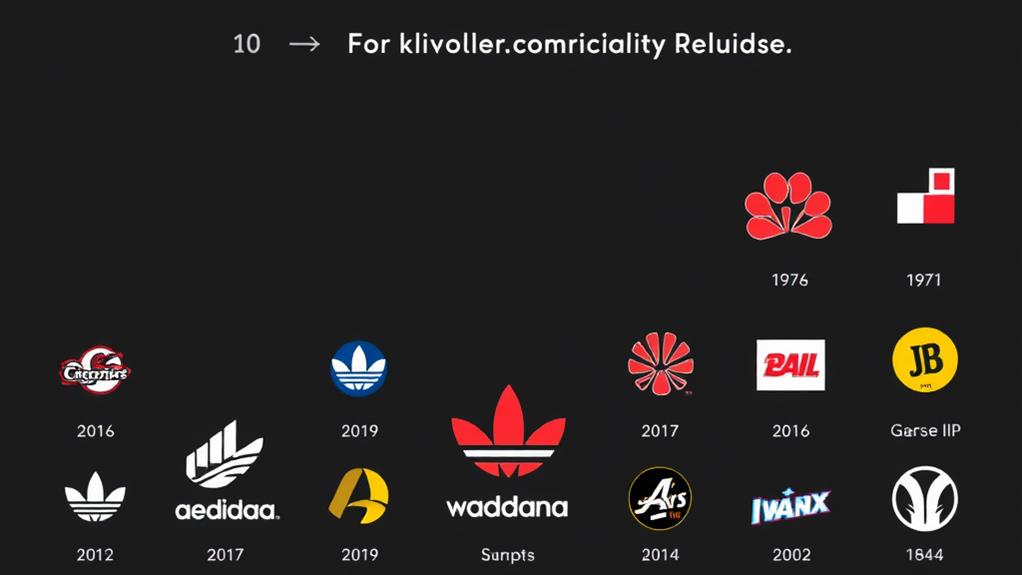
Evolving a visual identity is a natural progression in the lifecycle of a brand, particularly as market dynamics and consumer preferences shift. To remain impactful, brands must embrace design flexibility that accommodates visual trends and audience feedback. This adaptability not only fosters brand evolution but also enhances cultural relevance, guaranteeing the brand resonates with contemporary societal narratives.
A visual refresh can signal a strategic redesign that rejuvenates a brand's presence. By integrating storytelling elements into the visual identity, brands can forge deeper connections with their audiences, communicating core values and engaging narratives.
Furthermore, technology integration plays a pivotal role in this adaptation process, allowing brands to leverage digital platforms and tools for a more dynamic visual representation.
Market adaptation necessitates an ongoing evaluation of how visual identities align with the target audience's aspirations and lifestyles. Brands that successfully navigate this terrain utilize audience feedback as a compass, guiding them through the intricacies of shifting consumer sentiments.
This iterative process not only solidifies brand loyalty but also positions the brand as a leader in innovation and relevance.
Ultimately, the ability to adapt visual identity over time is not merely a reaction to change; it is a proactive strategy that anticipates future trends and consumer behaviors. By embracing this mindset, brands can guarantee their visual identity remains vibrant and compelling, effectively communicating their unique essence in an ever-evolving marketplace.
Measuring Visual Identity Success
Successful measurement of visual identity hinges on clearly defined metrics that reflect both brand perception and consumer engagement. A robust framework allows organizations to evaluate the efficacy of their visual identity and make informed strategic decisions. To achieve this, employing a combination of tools and methods is essential for thorough analysis.
Key metrics to take into account include:
- Brand Surveys: Gauge consumer perceptions and emotional connections to your visual elements.
- Consumer Feedback: Utilize direct insights from users to assess the impact of your design choices.
- Performance Metrics: Track key indicators such as conversion rates, retention, and sales correlated with visual branding efforts.
- Design Audits: Conduct thorough evaluations of visual consistency across platforms, ensuring alignment with brand messaging.
- Market Research: Analyze industry trends and competitor branding to identify areas of opportunity or improvement.
Employing analytics tools and conducting visual assessments further enhance understanding of brand awareness and user engagement. By leveraging competitor analysis, organizations can position their visual identity strategically within the market landscape.
Ultimately, measuring visual identity success is not merely about quantifying metrics; it is about interpreting the data to inform design iterations and enhance brand resonance with target audiences.
Organizations that actively engage in this analytical process will not only foster a strong visual identity but also cultivate lasting relationships with their consumers, ensuring sustained brand loyalty in an ever-evolving marketplace.
Frequently Asked Questions
How Does Cultural Context Influence Visual Identity Design?
Cultural context markedly influences visual identity design through the integration of cultural symbolism and local design aesthetics.
Designers must be adept at understanding regional values, traditions, and color meanings to create resonant identities. For instance, colors may evoke different emotions across cultures, impacting brand perception.
What Role Do Emotions Play in Visual Identity Perception?
Emotions considerably influence visual identity perception, as they foster emotional resonance with the audience.
Effective visual storytelling leverages colors, shapes, and imagery to evoke specific feelings, enhancing brand connection. A well-crafted visual identity not only represents a brand's values but also elicits an emotional response, making the brand memorable.
Can Visual Identity Affect Employee Engagement and Morale?
Visual identity considerably influences employee engagement and morale by fostering a sense of belonging and pride among employees.
Effective visual communication through employee branding not only conveys the organization's values and mission but also creates a cohesive culture.
When employees resonate with a strong visual identity, their commitment and enthusiasm towards the organization increase, ultimately enhancing productivity and job satisfaction.
This alignment between personal and organizational identity is paramount for cultivating an engaged workforce.
How Do Color Choices Impact Customer Behavior?
Color choices markedly influence customer behavior through the principles of color psychology, which dictates emotional responses and perceptions.
For instance, warm colors can evoke excitement, while cooler tones often promote calmness. This emotional connection enhances brand recognition, as consumers tend to associate specific colors with particular brands.
Consequently, a strategic approach to color selection not only drives customer engagement but also reinforces brand identity, fostering loyalty and influencing purchasing decisions.
What Are Common Visual Identity Mistakes to Avoid?
Common visual identity mistakes include neglecting font consistency, which can create confusion and weaken brand recognition.
Additionally, failing to guarantee logo scalability can result in a diluted brand presence across various platforms.
Imagery relevance is vital; using visuals that do not align with brand values can mislead consumers.
Finally, lacking brand coherence across all touchpoints can fragment the identity, undermining overall effectiveness.
Avoiding these pitfalls is imperative for a compelling and unified visual strategy.
Conclusion
A strong visual identity is vital for effective branding, as it greatly influences consumer perceptions and behaviors. Research indicates that consistent branding across all platforms can increase revenue by up to 23%. This statistic underscores the importance of cohesive visual elements in fostering brand recognition and trust. By maintaining a well-defined visual identity, brands not only enhance loyalty but also adapt to changing market dynamics, ultimately driving sustained success in a competitive landscape.