
The Importance of Flexibility in Your Marketing Strategy
Flexibility in your marketing strategy is essential for success in a rapidly changing marketplace. It empowers organizations to swiftly adapt to shifting consumer demands and market trends. A flexible approach enhances campaign effectiveness by enabling real-time adjustments based on performance metrics and consumer feedback. This adaptability fosters creative solutions and innovative tactics that maintain relevance amid economic fluctuations and technological advancements. Additionally, flexibility serves as a robust framework for risk management and resource allocation. As brands navigate these dynamic environments, understanding the role of flexibility can greatly enhance overall performance and competitiveness. Uncover further insights on how to harness this critical strategy.
Key Takeaways
- Flexibility in marketing strategies allows for rapid adaptation to changing market conditions and consumer preferences.
- Real-time data usage enhances decision-making, ensuring marketing efforts resonate with audience needs.
- Agile methodologies foster innovation and encourage unconventional tactics, providing a competitive edge.
- Continuous trend identification empowers brands to stay relevant and responsive in dynamic marketplaces.
- Leveraging consumer feedback refines marketing strategies, creating more personalized experiences that drive engagement.
Understanding Marketing Flexibility

Recognizing the dynamic nature of today's market environment, understanding marketing flexibility is imperative for businesses aiming to maintain competitive advantage. Marketing flexibility refers to a company's ability to adapt its strategies in response to fluctuating market conditions, evolving consumer behavior, and unexpected challenges. This concept is intricately linked to strategic agility, a crucial trait enabling firms to pivot based on thorough competitive analysis and real-time data.
The effectiveness of marketing flexibility hinges on the judicious allocation of resources. By efficiently managing resources, companies can guarantee that they are fully prepared to reposition their brand rapidly, thereby enhancing brand positioning amidst shifting consumer preferences.
Furthermore, flexibility in marketing strategies offers organizations a robust framework for risk management, allowing them to anticipate and mitigate potential risks associated with market turbulence.
Stakeholder engagement plays a significant role in facilitating marketing flexibility. By fostering transparent communication and collaboration with stakeholders, businesses can leverage their collective insights, benefiting from diverse perspectives to refine their marketing approaches. Such synergy not only pivots strategic direction but also endorses a culture of responsiveness and resilience.
Ultimately, understanding marketing flexibility equips businesses to navigate the complexities of market dynamics. Organizations that embrace adaptability as a core competency can capitalize on emerging opportunities, guaranteeing sustained relevance and longevity in their industries.
As the landscape continues to evolve, a commitment to flexible strategies becomes not just beneficial but critical for any organization seeking true empowerment in the face of unpredictability.
Advantages of a Flexible Strategy
A flexible marketing strategy allows organizations to rapidly adapt to evolving market conditions, thereby ensuring relevance amidst shifting consumer preferences.
This adaptability not only improves the effectiveness of marketing campaigns but also enables firms to allocate resources more efficiently based on real-time data and feedback.
Ultimately, embracing flexibility in marketing can lead to increased competitive advantage and sustained business growth.
Adapting to Market Changes
Steering through the complexities of today's market demands a strategic approach that emphasizes flexibility, enabling businesses to respond effectively to changing consumer preferences, emerging technologies, and competitive dynamics. The ability to adapt to market shifts is not merely advantageous; it is essential for survival.
Market dynamics today are influenced by myriad factors, from economic shifts prompting changes in consumer behavior to demographic shifts that redefine target audiences.
Moreover, social trends and cultural influences greatly shape how brands engage with customers. A flexible marketing strategy allows organizations to pivot and realign their messaging in response to these evolving dynamics, ensuring relevance in an ever-changing competitive landscape.
Technological advancements, too, redefine marketing channels and tools, necessitating agility to leverage new opportunities and respond to regulatory changes promptly.
Additionally, seasonal variations in consumer demand highlight the importance of an adaptive strategy. By remaining open to change, businesses can capitalize on fleeting trends and fads, ensuring they remain at the forefront of consumer consciousness.
Ultimately, flexibility not only empowers organizations to navigate complexities but also cultivates a culture of innovation enabling them to thrive amid uncertainty.
Enhancing Campaign Effectiveness
Campaign effectiveness hinges on the interplay between creativity and adaptability, making a flexible marketing strategy essential for success.
Businesses that embrace flexibility can tailor their campaigns to resonate deeply with their target audience, ensuring a more profound connection and engagement. Understanding the dynamic nature of consumer preferences allows marketers to pivot swiftly and align their messaging with evolving trends.
Engaging in creative brainstorming sessions during the campaign planning phase fosters innovative ideas that can be adapted as insights arise. This ongoing dialogue between strategy and creativity empowers teams to explore unconventional approaches that capture attention.
Flexible strategies also facilitate real-time adjustments based on performance metrics, enabling marketers to identify which tactics yield the best results and refine their efforts accordingly.
Moreover, the freedom to experiment within a flexible framework invites teams to take calculated risks, sparking a culture of innovation. By actively incorporating feedback and market signals, businesses can enhance not only the effectiveness of their campaigns but also their overall brand positioning.
Ultimately, a commitment to flexibility transforms marketing initiatives from static processes into vibrant ecosystems, capable of thriving in a constantly shifting landscape.
Adapting to Market Changes

In today's dynamic marketplace, the ability to adapt to market changes is critical for sustained success.
This involves accurately identifying emerging market trends, harnessing real-time data analytics, and embracing innovative strategies that respond to shifting consumer behaviors.
Identifying Market Trends
A significant number of businesses struggle to keep pace with rapid market changes, making it essential to proactively identify emerging trends. By focusing on market segmentation and understanding consumer behavior, companies can gain valuable insights into their target demographics.
Moreover, an extensive competitive analysis reveals how rivals respond to economic indicators and social influences, fostering an environment of proactive adaptation.
Key components for discerning market trends include:
- Monitoring demographic shifts and their impact on purchasing patterns
- Identifying industry disruptions driven by technological advancements
- Analyzing seasonal trends that influence buying behavior
- Observing regional variations that may necessitate localized marketing approaches
- Staying informed on economic indicators that forecast market fluctuations
Incorporating these elements into your marketing strategy allows for a more flexible approach to challenges and opportunities.
Companies that grasp subtle shifts in consumer preferences can pivot quickly, leveraging insights to design campaigns that resonate with their audience.
Ultimately, continuous trend identification not only enhances competitiveness but also empowers businesses to thrive in an increasingly dynamic marketplace, where adaptation is the key to sustaining growth and consumer loyalty.
Leveraging Real-Time Data
While many businesses struggle to adapt swiftly to market fluctuations, leveraging real-time data emerges as a strategic imperative in maintaining relevance and competitiveness. Real-time analytics provide immediate insights into consumer behavior, enabling companies to implement data-driven decisions that resonate with their audience's preferences.
By adopting agile marketing strategies, businesses can pivot their tactics based on current market conditions. For instance, performance metrics derived from real-time data can guide adjustments to marketing campaigns, ensuring resources are allocated efficiently.
Predictive modeling and trend forecasting further equip organizations with foresight, allowing them to anticipate shifts in consumer demand and act proactively.
Data visualization tools enhance this process, turning complex data sets into easily digestible information that informs competitive analysis. By segmenting their audience effectively, businesses can tailor their messaging, ensuring it speaks directly to the unique needs and desires of different consumer groups.
In a landscape marked by rapid change, utilizing real-time data not only facilitates swift adaptation but also fosters a culture of continuous improvement, ultimately empowering businesses to thrive amidst uncertainty.
Embracing Innovative Strategies
Maneuvering the complexities of modern markets requires a commitment to embracing innovative strategies that drive adaptability and resilience.
As market dynamics evolve, brands must engage in creative thinking and implement strategic pivots to stay ahead of competitors. Utilizing agile methodologies enables teams to respond promptly to market disruption while harnessing digital innovation to enhance their outreach.
To remain relevant, companies should focus on:
- Unconventional tactics that challenge traditional marketing norms
- Collaborative brainstorming sessions that leverage diverse perspectives
- Trend forecasting to anticipate shifts in consumer behavior
- Audience segmentation for tailored messaging and targeting
- Brand evolution to reflect changing societal values
Utilizing Consumer Feedback
An increasing number of businesses are recognizing the critical importance of utilizing consumer feedback to refine their marketing strategies. By leveraging consumer insights, companies can initiate a transformative journey that deepens user engagement and enhances customer satisfaction. This deliberate focus on feedback loops fosters a culture of continuous improvement, allowing brands to stay attuned to the ever-evolving audience preferences.
Effective sentiment analysis is fundamental to understanding the emotions and attitudes of consumers towards products and services. By employing robust market research and data analysis techniques, businesses can derive actionable insights that directly inform their response strategies. Incorporating feedback into decision-making not only enhances product offerings but also solidifies brand loyalty.
Moreover, trend monitoring is essential for identifying shifts in consumer behavior, enabling companies to adapt their marketing messages in real-time. The insights gleaned from consumer feedback allow organizations to pivot swiftly, addressing emerging needs and preferences before competitors can catch up.
In a marketplace characterized by rapid changes and diverse demands, businesses that embrace the flexibility inherent in utilizing consumer feedback set themselves apart. By creating a cyclical process of gathering and addressing feedback, organizations can craft more personalized experiences, ultimately cultivating stronger connections with their audience.
In doing so, they not only enhance customer satisfaction but also position themselves as responsive brands that genuinely value the voices of their customers.
Measuring Performance and Adjusting

Measuring performance is a critical aspect of any marketing strategy, as it provides the quantitative and qualitative data necessary for informed decision-making.
By systematically analyzing performance metrics, businesses can gain insights into the effectiveness of their campaigns, identify areas for improvement, and initiate timely strategy adjustments.
Without diligent measurement, marketers risk misallocating resources and missing opportunities for growth.
To successfully measure marketing performance, consider the following elements:
- Key Performance Indicators (KPIs): Establish clear KPIs aligned with your business goals to track progress.
- Conversion Rates: Analyze how well your marketing efforts translate into actual sales or leads.
- Customer Engagement: Evaluate interaction metrics such as click-through rates, social media shares, and time spent on site.
- Return on Investment (ROI): Assess the financial impact of your campaigns relative to their costs.
- Market Trends: Stay updated on external factors that may influence your performance, allowing for proactive adjustments.
Embracing New Technologies
Harnessing the potential of new technologies is essential for businesses aiming to remain competitive in today's dynamic marketplace. The concept of digital transformation is not merely a trend; it is a critical component of effective marketing strategies. As emerging technologies reshape consumer interactions and behaviors, companies must adopt agile marketing practices that allow for rapid adaptation to new insights and changing market conditions.
Technology integration, encompassing automation tools and data analytics, empowers businesses to optimize their marketing efforts. Automation streamlines processes, freeing up valuable resources, while data analytics provides the means to extract actionable insights from consumer behavior. This data-driven approach enhances targeting and personalization, leading to improved customer engagement and loyalty.
Moreover, the social media evolution and mobile marketing have revolutionized how brands engage with their audiences. Utilizing content innovation across platforms guarantees that messaging resonates with the consumer's context, fostering a genuine connection.
Virtual reality, as an emerging technology, presents unique opportunities for experiential marketing, allowing brands to create immersive experiences that captivate consumers in novel ways.
In this fast-paced environment, the ability to swiftly utilize these technologies is paramount. By embracing new technologies, businesses can enhance their flexibility, enabling them to pivot their strategies as consumer needs and technological landscapes evolve.
Ultimately, adaptability powered by innovation not only fosters growth but also secures a brand's position at the forefront of an increasingly competitive arena.
Case Studies of Successful Brands
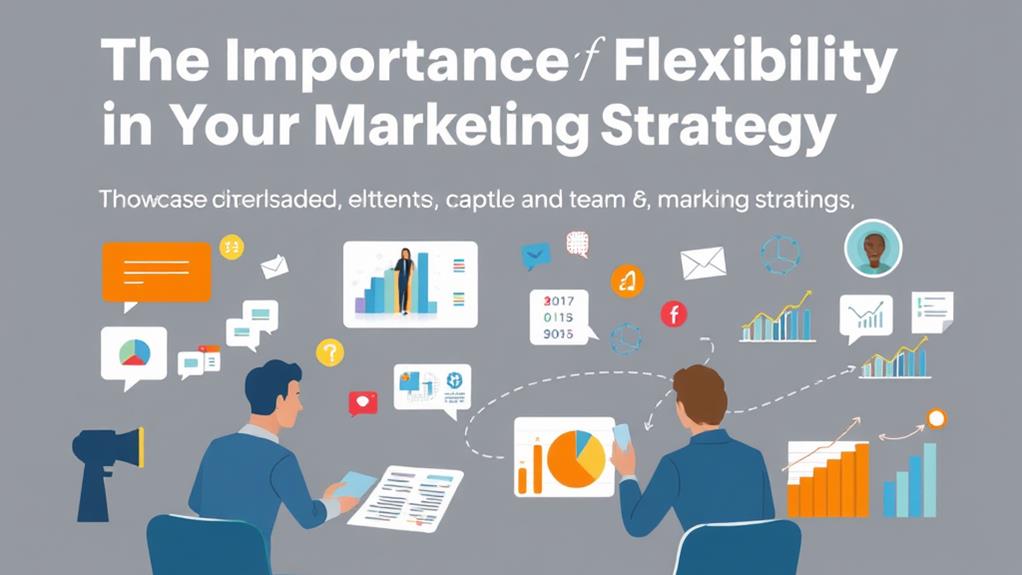
The effectiveness of embracing new technologies is vividly illustrated through numerous case studies of successful brands that have adeptly navigated the complexities of modern marketing landscapes. These brands exemplify brand agility and customer centricity, leveraging strategic pivots to maintain market responsiveness in an ever-evolving environment.
One notable example is Nike, which has utilized creative experimentation and audience segmentation to enhance its value proposition. Through innovative digital marketing campaigns and partnerships with tech firms, Nike has successfully differentiated itself in a crowded market. Their storytelling approach resonates with consumers, creating powerful emotional connections that bolster brand loyalty.
Similarly, Unilever has demonstrated the power of agile brand strategies. By continuously adapting product offerings and marketing messages to reflect shifting consumer preferences, the company showcases the importance of partnership collaborations for competitive differentiation. This dynamic approach enables Unilever to swiftly respond to market trends and consumer insights, ensuring sustained relevance.
Other successful brands include:
- Coca-Cola, which emphasizes brand storytelling to forge emotional ties with diverse audiences.
- Airbnb, employing strategic pivots to navigate regulatory challenges while fostering community engagement.
- Amazon, leveraging customer data for precise audience segmentation and targeted marketing.
These case studies collectively underscore the necessity of flexibility in marketing strategies. By embracing a mindset of innovation and adaptability, brands can effectively respond to consumer demands, drive engagement, and create a distinctive presence within their industries.
Building a Responsive Team
Cultivating a responsive team is essential for businesses aiming to thrive in a dynamic marketing landscape. A culture built on robust team dynamics fosters agility, enabling rapid adaptation to shifting market demands.
Employing agile methodologies, teams can take a proactive stance, responding swiftly to changes rather than merely reacting, which is fundamental in a competitive environment.
Effective communication strategies are important for transparent information flow. By promoting trust building within the team, organizations create a secure environment where individuals feel empowered to share ideas. This leads to role diversification, allowing team members to wear multiple hats and utilize their unique strengths, thereby enhancing cross-functional collaboration.
Utilizing collaborative tools enhances connectivity and efficiency, streamlining processes and encouraging the sharing of insights and expertise. Continuous learning must be embraced as an ongoing endeavor; investing in skill development not only equips employees with the latest industry knowledge but also cultivates resilience.
Furthermore, implementing performance incentives can motivate team members to reach their full potential and contribute meaningfully to the organization's objectives.
Frequently Asked Questions
How Often Should I Review My Marketing Strategy for Flexibility?
To guarantee effective strategy adaptation, a regular frequency assessment of your marketing strategy is essential.
Conducting reviews at least quarterly allows you to identify trends, pivot in response to market changes, and capitalize on emerging opportunities.
This adaptive approach not only fosters innovation but also empowers your team to remain agile, ultimately enhancing your organization's capacity to thrive in a dynamic environment.
Embracing this systematic evaluation can lead to sustained growth and relevance in your industry.
What Tools Can Help Enhance Marketing Strategy Flexibility?
What if the key to unfastening unparalleled marketing success lay in the right tools?
Data analytics transforms raw information into actionable insights, while customer feedback drives adaptation to real needs.
Embracing agile methodology allows for swift adjustments based on evolving market trends.
Digital tools streamline processes, enabling quick experimentation.
Ultimately, performance metrics deliver clarity on outcomes, ensuring that strategies remain relevant in a dynamic landscape.
Together, these elements create a flexible marketing framework ready for anything.
Can I Be Too Flexible With My Marketing Approach?
Yes, one can be too flexible with a marketing approach.
While strategic agility is essential for adapting to market changes, an excessive shift in tactics can disrupt marketing balance. Constantly revising strategies may confuse customers and dilute brand identity, leading to inconsistency.
Instead, it's important to maintain a framework that allows for creative adaptability while ensuring alignment with core objectives. Striking the right balance fosters both innovation and brand integrity in the long term.
How Does Budget Impact My Marketing Strategy's Flexibility?
Budget allocation greatly influences the flexibility of your marketing strategy. Limited financial resources can constrain adaptive approaches, thereby necessitating careful resource management.
Conversely, a well-structured budget designed to accommodate fluctuations allows for creative experimentation and responsiveness to market dynamics.
This balance empowers marketers to pivot as needed, enhancing the potential for innovative campaigns while staying within financial parameters.
Ultimately, fostering a culture of agility and freedom within the organization's overall marketing efforts.
What Role Does Company Culture Play in Flexible Marketing Strategies?
Company culture acts as the backbone of flexible marketing strategies, facilitating a vibrant ecosystem where team dynamics flourish.
An organization that nurtures an innovation mindset encourages its members to embrace change and experiment with ideas. This freedom fosters creativity, allowing teams to adapt quickly to evolving market conditions.
Ultimately, a culture that prioritizes collaboration and open communication becomes a fertile ground for innovative marketing approaches, driving sustained growth and competitiveness in the marketplace.
Conclusion
To summarize, the necessity of flexibility within a marketing strategy cannot be overstated. While some may argue that a rigid plan guarantees consistency and reliability, the dynamic nature of today's market demands adaptability for long-term success. Embracing a flexible approach enables brands to respond swiftly to shifts in consumer behavior, technological advancements, and competitive landscapes. Ultimately, the cultivation of responsiveness fosters innovation and resilience, positioning organizations to thrive amidst evolving market conditions.