
The Power of AI in SMB Customer Relationship Management
Artificial Intelligence (AI) is transforming Customer Relationship Management (CRM) for small and medium-sized businesses (SMBs) by enhancing operational efficiency and personalizing customer interactions. AI automates routine tasks and enables advanced customer segmentation, allowing businesses to tailor their marketing strategies effectively. Predictive analytics further optimize sales processes by identifying customer behaviors and at-risk accounts. This data-driven approach not only streamlines decision-making but also bolsters customer loyalty through personalized engagement. As SMBs embrace AI technology, they stand to gain significant advantages in efficiency and growth potential, paving the way for increased business success and deeper insights into customer relationships.
Key Takeaways
- AI enhances SMBs' operational efficiency by automating repetitive tasks and optimizing workflow management.
- Advanced customer segmentation enabled by AI allows for targeted marketing and personalized communication strategies.
- Predictive analytics delivers insights that refine sales processes and enhance resource allocation for better customer engagement.
- Automated response systems ensure consistent and prompt communication, significantly improving customer satisfaction and retention.
- Implementing AI solutions requires careful planning, performance metrics, and vendor selection to maximize CRM capabilities.
Understanding AI in CRM
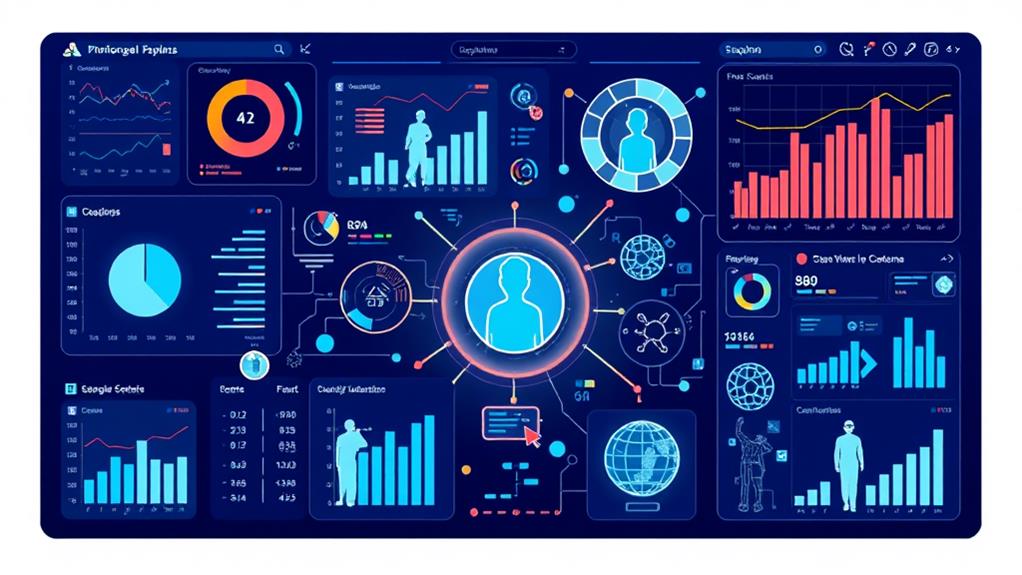
Artificial Intelligence (AI) is revolutionizing Customer Relationship Management (CRM) for small and medium-sized businesses (SMBs) by enhancing efficiency and personalizing customer interactions. By leveraging advanced AI technologies, SMBs can implement sophisticated CRM frameworks that facilitate customer segmentation based on behavioral patterns and preferences. This targeted approach not only improves user experience but also enables businesses to tailor their marketing strategies effectively.
However, the integration of AI into CRM systems is not without its complexities. Adoption barriers such as resistance to change and limited resources can hamper the shift. Furthermore, thorough training requirements must be established to guarantee that staff can utilize machine learning algorithms effectively, revealing the full potential of the technology.
Central to AI's deployment in CRM is the ethical consideration around data privacy. As customer data becomes increasingly crucial, companies must prioritize ethical standards to maintain trust. This involves transparent data handling practices and adherence to regulations, which mitigate risks while enhancing customer loyalty.
Successful integration strategies are essential for maximizing the benefits of AI within CRM. SMBs must navigate the landscape of available tools and select those that align with their objectives.
With the right strategies, businesses can harness AI to streamline operations and create more meaningful interactions with customers, guaranteeing they remain agile in an ever-changing market.
Benefits of AI for SMBs
The adoption of AI in Customer Relationship Management offers a multitude of advantages for small and medium-sized businesses (SMBs) aiming to enhance their operational effectiveness and customer engagement. One of the most compelling benefits is AI's cost-effectiveness. By automating repetitive tasks and streamlining processes, SMBs can allocate resources more efficiently, allowing them to scale their operations without the proportional increase in costs. This scalability guarantees that businesses can adapt to growth opportunities swiftly.
AI's ability for advanced customer segmentation enables SMBs to target their marketing efforts more precisely, resulting in tailored interactions that resonate with clients. This data-driven decision-making facilitates improved efficiency, as insights drawn from customer behaviors and preferences lead to more relevant offerings and promotions. The competitive advantage gained through these practices can be significant, distinguishing businesses in crowded marketplaces.
Furthermore, user-friendly interfaces in AI-powered CRM systems reduce training requirements, guaranteeing that teams can leverage new technologies quickly and effectively. The integration capabilities of AI tools also mean that they can seamlessly work with existing systems, enhancing overall performance without causing operational disruption.
As technology adoption continues to rise, SMBs that harness the power of AI in their CRM strategies position themselves for enduring success. The advantages of AI not only promise enhanced productivity but also empower businesses to foster rewarding customer relationships that drive loyalty and growth in an increasingly dynamic environment.
Enhancing Customer Interactions
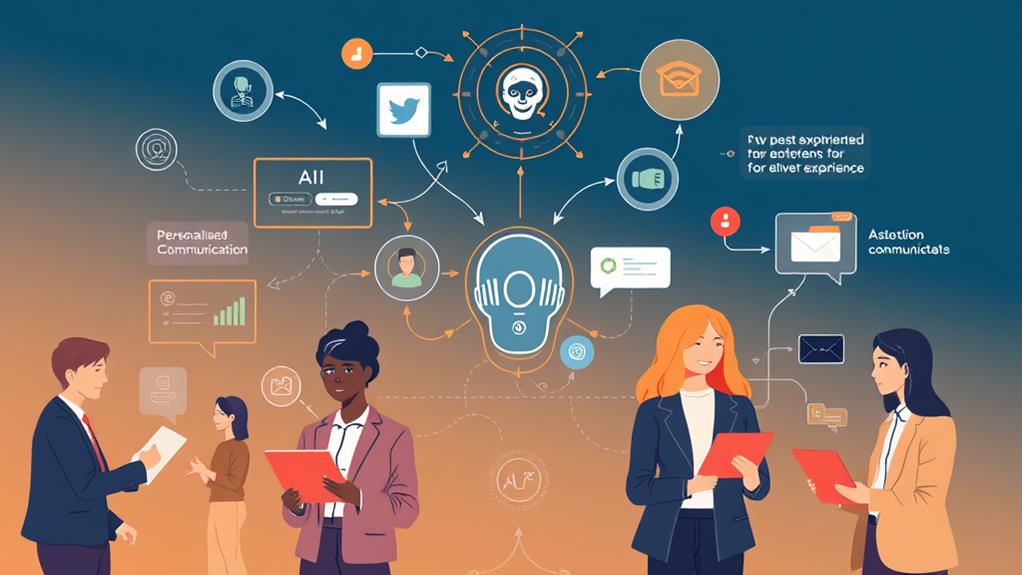
Enhancing customer interactions is essential for SMBs aiming for growth and loyalty in a competitive landscape.
By leveraging personalized communication strategies and integrating predictive analytics, businesses can anticipate customer needs and tailor their engagement effectively.
In addition, automated response systems streamline interactions, ensuring prompt and consistent communication that fosters a positive customer experience.
Personalized Communication Strategies
Frequently, effective communication is at the heart of successful customer relationship management, especially for small and medium-sized businesses (SMBs) endeavoring to build lasting connections with their clients.
Personalized communication strategies enable SMBs to adopt dynamic messaging that resonates with diverse customer segments. By leveraging customer segmentation and behavior tracking, these businesses can tailor their content personalization to meet the unique needs of their audience.
Engagement metrics offer crucial insights into what resonates with customers, allowing for continuous optimization of messaging and timing. By implementing timing optimization, SMBs can guarantee that their communications reach clients precisely when they're most receptive.
Utilizing various communication channels, from email to social media, further enhances the effectiveness of audience targeting and maximizes engagement.
Feedback loops facilitate real-time responses to customer interactions, fostering relationship building through dialogues rather than monologues. This approach not only cultivates loyalty but also empowers customers by giving them a voice.
Ultimately, the synergy created through these personalized strategies equips SMBs to forge deeper connections and navigate the competitive landscape with innovation and confidence.
Predictive Analytics Integration
As small and medium-sized businesses (SMBs) increasingly seek to deepen their customer interactions, integrating predictive analytics into their customer relationship management (CRM) systems has become a transformative strategy. This approach allows businesses to harness data forecasting and trend analysis to better understand customer behavior and enhance engagement.
By employing predictive analytics, SMBs can optimize sales processes and improve resource allocation, ensuring that marketing efforts are directed towards the most promising market segments. For instance, lead scoring helps prioritize potential customers based on their likelihood to convert, boosting customer retention rates while minimizing acquisition costs.
Furthermore, predictive analytics empowers businesses to conduct risk assessments, identifying potential churn and enabling proactive measures to secure customer loyalty. By analyzing performance metrics related to past customer interactions, SMBs can refine their strategies, delivering tailored experiences that resonate with their audience.
In an environment where customer relationships are paramount, the application of predictive analytics not only enhances satisfaction but also drives profitability.
Ultimately, by leveraging these insights, SMBs can release the full potential of their CRM systems, leading to sustained growth and a competitive advantage in the marketplace.
Automated Response Systems
Automated response systems have emerged as a pivotal component in the customer interaction landscape for small and medium-sized businesses (SMBs). By leveraging advanced chatbot technology, these systems enhance response efficiency and foster deeper customer engagement.
The integration of AI in service automation not only streamlines inquiry resolution but also cultivates a seamless user experience across multiple channels.
Here are four key benefits of implementing automated response systems:
- Multi-Channel Support: Engage customers across various platforms, guaranteeing consistent communication whether they reach out via social media, email, or website chat.
- AI Training: Continuously learn from customer interactions to improve the quality of responses and tailor interactions based on individual needs, preferences, and behaviors.
- Feedback Analysis: Harness insights from customer data to adjust strategies, enhance services, and ultimately drive customer satisfaction.
- System Integration: Seamlessly connect with existing CRM systems to guarantee a cohesive approach to customer relationship management.
Automating Routine Tasks
In today's fast-paced business environment, small and medium-sized businesses (SMBs) consistently seek ways to enhance efficiency and streamline operations. One of the most effective means of achieving this is through the automation of routine tasks. By leveraging artificial intelligence, SMBs can greatly improve task prioritization, enabling employees to focus on high-impact activities rather than getting bogged down by mundane responsibilities.
Automation facilitates workflow optimization, seamlessly integrating various processes to promote time management and operational consistency. Mundane tasks such as data entry, appointment scheduling, and customer follow-ups can be handled effortlessly by AI-driven tools, resulting in remarkable efficiency gains. This not only increases the speed of operations but also contributes to error reduction, decreasing the likelihood of costly mistakes that can arise from human oversight.
Furthermore, resource allocation becomes more strategic as AI systems identify and prioritize essential tasks, allowing employees to devote their talents to areas that drive growth. This not only streamlines internal processes but also enhances employee satisfaction, as team members can engage in fulfilling work rather than repetitive tasks. The result is a motivated workforce committed to the organization's mission.
Moreover, performance tracking becomes more robust with automated systems, providing real-time insights into workflow efficiency and potential bottlenecks. By embracing automation, SMBs can not only achieve remarkable operational consistency but also position themselves competitively in the marketplace, freeing them to innovate and expand while effectively managing their resources.
In this way, the power of AI in automating routine tasks becomes a game changer for SMBs looking to thrive in a dynamic landscape.
Data Analysis and Insights

Harnessing the power of data analysis, SMBs can access invaluable insights that drive informed decision-making and strategic planning. By employing advanced analytics frameworks, small to medium-sized businesses can transform raw data into actionable information, allowing them to better understand their customers and optimize their operations.
Here are four key approaches to leveraging data analysis effectively:
- Customer Segmentation Strategies: Categorizing customers based on demographic and behavioral characteristics enables targeted marketing efforts and personalized communications.
- Sentiment Analysis Tools: These tools help businesses gauge customer emotions and satisfaction levels, informing product adjustments and enhancing service quality.
- Behavioral Trend Analysis: Understanding patterns in customer behavior can reveal valuable insights into purchasing habits, enabling businesses to anticipate needs and boost sales.
- Real-Time Analytics Applications: Implementing applications that provide real-time performance metrics evaluation helps SMBs make data-driven decisions swiftly, adapting to market shifts or customer feedback effectively.
Embracing data integration methods guarantees that disparate data sources converge into a cohesive system, enhancing the insights derived from predictive modeling approaches.
As SMBs harness data visualization techniques, they can present complex information in an easily digestible format, empowering stakeholders to grasp insights at a glance.
Ultimately, the commitment to data driven decision making allows SMBs to not only enhance their relationship management but also propel growth and foster a competitive edge in today's dynamic business landscape.
Personalization and Customer Loyalty
A substantial number of consumers today expect personalized experiences from the brands they engage with, making personalization a vital component of customer loyalty strategies for SMBs. By leveraging AI-driven customer segmentation, businesses can identify distinct customer groups and their unique preferences. This allows for the development of tailored experiences that resonate deeply with each segment, driving engagement.
Loyalty programs further enhance these personalized interactions, encouraging repeat business. By utilizing behavior tracking technologies, SMBs can monitor how customers engage with their offerings, gaining valuable insights into purchasing patterns and preferences. This data not only informs retention strategies but also enables businesses to craft targeted promotions that appeal specifically to each customer segment.
The implementation of engagement metrics is essential in evaluating the effectiveness of these strategies. By analyzing the success of personalized outreach, brands can refine their approaches in real-time. Integrating feedback loops into customer interactions fosters an adaptive environment where businesses can continuously improve their service offerings based on direct customer input.
Ultimately, creating a personalized experience fosters stronger emotional connections between the brand and customer, greatly enhancing customer loyalty. As SMBs invest in AI technologies to facilitate these personalized approaches, they position themselves to thrive in a competitive marketplace.
Predictive Analytics in Sales

Personalized customer experiences pave the way for more sophisticated strategies, such as predictive analytics in sales, that empower SMBs to anticipate customer needs. By leveraging advanced technologies, businesses can gain invaluable insights that enhance their decision-making processes.
Predictive analytics enables SMBs to analyze past behaviors, identify trends, and optimize their sales forecasts, thereby driving revenue and reducing risk.
Consider the following critical aspects of predictive analytics in the sales domain:
- Predictive Modeling: By creating models based on historical data, SMBs can predict future customer behavior, allowing for tailored marketing efforts and improved engagement.
- Sales Forecasting: Harnessing analytics guarantees accurate projections of sales performance, enabling better resource allocation and target setting.
- Customer Segmentation: Understanding distinct customer groups through behavior analysis allows businesses to tailor their offerings and enhance customer satisfaction.
- Trend Identification and Demand Prediction: Recognizing emerging trends facilitates proactive adjustments in inventory and marketing strategies, guaranteeing SMBs remain competitive.
Through these approaches, SMBs not only optimize revenue but also assess risks adequately, positioning themselves for sustainable growth.
Embracing predictive analytics is not merely an option but a necessity for businesses seeking to enhance their agility and responsiveness to market dynamics. By investing in these analytical tools, SMBs can achieve a deeper understanding of their customer base, transforming data into a strategic asset that drives success.
Implementing AI Solutions
Implementing AI solutions is a transformative step for small and medium-sized businesses (SMBs) looking to enhance their customer relationship management strategies. The selection of an appropriate AI vendor is vital, as it lays the foundation for a successful deployment. Businesses should evaluate vendors based on technology scalability, guaranteeing that the solutions can grow alongside their operations.
Implementation strategies must account for thorough planning. Establishing clear performance metrics at the outset will help track the effectiveness of the new AI systems. While adopting AI can involve substantial cost considerations, the long-term benefits, such as improved customer engagement and operational efficiency, often justify the investment.
Training requirements are another key aspect. Confirming that team members are adequately trained will facilitate user adoption and minimize disruption to ongoing processes.
Additionally, businesses should prepare for potential integration challenges that may arise from merging AI tools with existing systems. A solid maintenance plan is essential to guarantee ongoing effectiveness and performance optimization.
Security implications should never be overlooked. Implementing AI requires diligent attention to data protection and compliance with relevant regulations, as the exposure to sensitive information increases with advanced technologies.
Challenges and Considerations
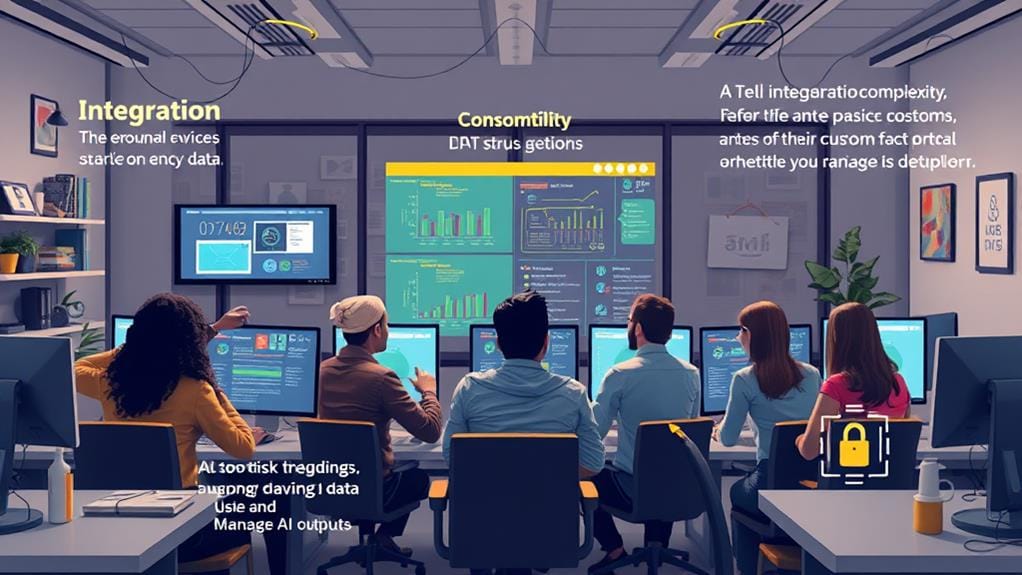
Maneuvering the complexities of integrating AI into customer relationship management presents unique challenges and considerations for SMBs. While the potential for increased efficiency and improved customer engagement is compelling, there are significant issues to address.
- Data Privacy: Protecting customer data is paramount. SMBs must navigate regulations like GDPR, highlighting the need for transparent data handling practices.
- Ethical Considerations: The ethical implications of AI cannot be overlooked. SMBs need to implement AI solutions that respect customer rights and do not unintentionally discriminate or manipulate.
- Integration Challenges: Compatibility with existing systems can pose significant hurdles. Software compatibility issues may arise, requiring substantial investment in newer infrastructure or leading to increased operational downtime.
- Cost Implications and ROI Measurement: While adopting AI might promise long-term gains, initial costs can be steep. It's essential for SMBs to conduct thorough ROI measurements, factoring in training requirements and potential scalability issues to guarantee the investment pays off.
To effectively overcome these challenges, user adoption is important. Employees must be adequately trained to use AI tools, fostering a culture of adaptability and innovation.
Furthermore, evaluating vendor reliability ensures that businesses partner with reputable organizations capable of delivering effective AI solutions. Addressing these challenges early can empower SMBs to leverage AI confidently, revealing its vast potential while safeguarding their customers and their businesses.
Future Trends in AI CRM
In light of the challenges SMBs face when integrating AI into customer relationship management, the future of this technology appears promising as it evolves to address these very concerns. As businesses navigate the complexities of CRM evolution, they must consider the significant elements of AI ethics and data privacy. Responsible AI implementation will enhance user experience while ensuring customer trust—a essential aspect in meeting modern customer expectations.
Future trends indicate a shift towards more sophisticated integration strategies that simplify the adoption of AI tools by small and medium-sized businesses. By focusing on seamless technology adoption, SMBs can leverage AI's potential to differentiate themselves in an increasingly competitive market. The rising emphasis on personalized services, powered by diligent AI training, will enable businesses to create tailored interactions that resonate with their customers.
Moreover, as innovative solutions emerge, SMBs will need to stay ahead of the curve by continually evaluating the innovation impact on their operations. Proactive adaptation to evolving AI technologies will be imperative for maintaining market relevance and driving customer loyalty.
Ultimately, as SMBs embrace the future of AI in CRM, they will not only meet customer expectations but also foster a culture of innovation that sets them apart. The path forward is not devoid of challenges, but with informed strategies and ethical considerations, SMBs can harness AI's transformative potential, establishing themselves as leaders in a rapidly evolving landscape.
Frequently Asked Questions
How Does AI Improve Customer Response Times in CRM Systems?
AI considerably enhances customer response times in CRM systems through the integration of automated responses and predictive analytics.
By utilizing automated responses, businesses can provide immediate reactions to customer inquiries, facilitating efficient communication.
Additionally, predictive analytics anticipates customer needs, enabling timely and relevant interactions.
This combination not only streamlines processes but also enriches customer experiences, fostering satisfaction and loyalty.
Ultimately, it empowers businesses to thrive in a competitive environment while ensuring freedom of choice for customers.
What Are the Costs Associated With Implementing AI in Crm?
Implementing AI in CRM can feel like starting on a financial rollercoaster—thrilling yet intimidating!
The implementation expenses can vary widely, influenced by software, integrations, and training requirements. Conducting a thorough cost benefit analysis is essential; this evaluates potential savings against these expenses.
When approached wisely, the initial costs can yield profound enhancements in efficiency and customer satisfaction, ultimately granting businesses the freedom to thrive and innovate in a competitive landscape.
Can AI Systems Integrate With Existing CRM Platforms Easily?
AI systems can indeed integrate with existing CRM platforms, though the degree of AI compatibility may vary.
Integration challenges often arise due to differences in architecture, data formats, and operational processes.
However, many modern CRM systems offer APIs and SDKs that facilitate seamless connections with AI technologies.
To unlock the full potential of AI, businesses must prioritize and invest in overcoming these integration hurdles, ultimately enabling enhanced customer insights and operational efficiency.
What Skills Do Employees Need to Manage Ai-Driven CRM Systems?
To effectively manage AI-driven CRM systems, employees should possess skills in data analysis to derive actionable customer insights.
Proficient user training is essential for team members to navigate these advanced systems. Understanding software integration and system customization enables seamless operations, while knowledge of process automation enhances efficiency.
How Do Privacy Regulations Affect AI Use in SMB Crm?
Privacy regulations greatly influence the implementation of AI in SMB CRM systems. Companies face compliance challenges as they navigate diverse regulatory frameworks aimed at ensuring data protection and safeguarding user consent.
Ethical considerations are paramount, as organizations must balance innovative AI capabilities with the responsibility to manage risks associated with data privacy.
Furthermore, robust risk management practices are essential to align AI applications with legal requirements, ultimately fostering trust and accountability in customer relationships.
Conclusion
The integration of artificial intelligence into customer relationship management for small and medium-sized businesses can yield significant advantages, transforming interactions and optimizing operations. As the adage goes, "Knowledge is power," and with AI-driven insights, SMBs can harness data to make informed decisions, enhancing customer satisfaction and loyalty. The proactive adoption of these technologies will not only streamline processes but also position SMBs competitively in an increasingly digital marketplace, ensuring sustainable growth and success.