The Role of AI in SMB HR Management
AI plays a pivotal role in HR management for small and medium-sized businesses (SMBs) by automating routine tasks and enhancing operational efficiency. It utilizes predictive analytics for workforce planning and talent forecasting, facilitating effective skill mapping and employee development. AI-driven recruitment tools streamline candidate screening and improve the interview process, which ultimately aids in informed hiring decisions. Moreover, personalized communication strategies and digital recognition programs enhance employee engagement, fostering a motivated workforce. As SMBs navigate the evolving landscape of HR, understanding these advancements is vital for strategic growth and adaptability in a competitive environment. Explore the implications further to gain deeper insights.
Key Takeaways
- AI enhances operational efficiency in SMB HR by automating routine tasks and optimizing decision-making processes.
- Predictive analytics empowers talent forecasting and workforce planning, aiding in strategic HR management.
- AI-driven recruitment tools streamline candidate screening and improve the overall hiring process.
- Personalized communication strategies foster employee engagement and promote a responsive workplace culture.
- Performance management solutions leverage data analytics to evaluate employee metrics and support targeted development initiatives.
Understanding AI in HR
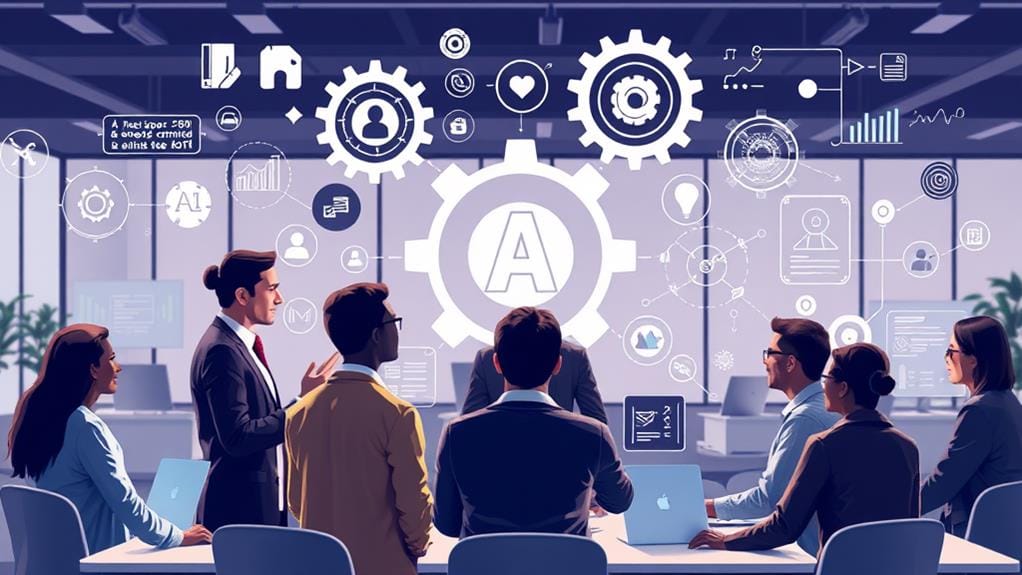
Understanding the integration of artificial intelligence (AI) in human resource management is critical for small and medium-sized businesses (SMBs) seeking to enhance their operational efficiency and decision-making capabilities. The application of AI within HR practices should not be taken lightly, as it encompasses various dimensions such as predictive analytics, which enables businesses to leverage historical data for talent forecasting and informed workforce planning.
AI allows for skill mapping, helping organizations identify gaps in their team's capabilities and enhance employee development strategies.
However, the implementation of these technologies raises essential concerns, particularly regarding AI ethics and employee privacy. As SMBs harness these tools, they must establish guidelines that adhere to ethical standards and respect personal data, guaranteeing that decision automation does not infringe upon individual rights or privacy concerns.
Moreover, the potential for bias in AI algorithms is a critical consideration; therefore, robust bias mitigation strategies are fundamental for creating a fair and equitable workplace.
These strategies help guarantee that the AI systems employed do not perpetuate discrimination against any group and thereby foster an inclusive environment.
Benefits of AI for SMBs
The integration of AI in HR management presents a multitude of advantages for small and medium-sized businesses (SMBs), enhancing their ability to streamline operations and improve overall performance. One significant benefit lies in cost savings, as AI automates routine tasks—including payroll processing and compliance management—allowing HR teams to redirect their focus toward strategic initiatives.
Moreover, AI enhances workforce analytics, providing SMBs with actionable insights into employee performance, skills assessment, and training optimization. By leveraging these insights, organizations can implement targeted development programs that not only bolster employee skillsets but also foster an environment conducive to talent retention.
The improved employee experience, driven by personalized training and development, further mitigates turnover rates, resulting in stable and engaged workforces.
In addition, AI facilitates compliance management by automating the monitoring of regulatory requirements and reporting processes. This capability helps SMBs minimize risks and guarantee adherence to legal standards, which is crucial for maintaining organizational integrity and avoiding costly fines.
AI also plays a critical role in supporting diversity initiatives by analyzing hiring practices and identifying biases. This analytical approach enables SMBs to promote inclusivity effectively and cultivate a diverse workplace, an essential aspect of modern organizational culture.
AI-Driven Recruitment Tools
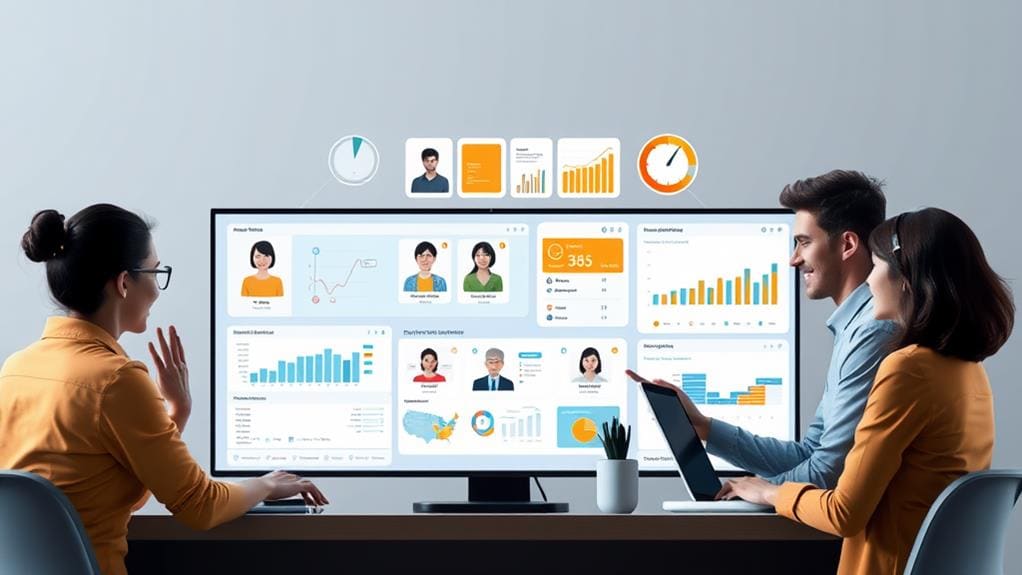
AI-driven recruitment tools are transforming how small and medium-sized businesses approach candidate selection.
By automating candidate screening processes, these tools facilitate a more efficient identification of top talent, thereby saving valuable time and resources.
Additionally, they enhance interview processes by providing data-driven insights that allow hiring managers to make more informed decisions.
Streamlining Candidate Screening
Leveraging advanced recruitment tools, SMBs can greatly enhance their candidate screening processes, ensuring a more efficient and effective selection framework.
Automated assessments allow for swift evaluations of candidates' skills matching job requirements, minimizing the human effort traditionally involved. This not only accelerates the screening phase but also considerably improves the candidate experience by providing timely feedback.
AI-driven resume parsing technology streamlines the initial review stage, filtering out unqualified applicants while identifying top talent based on predetermined criteria.
In addition, employing recruitment analytics empowers SMBs to make data-informed decisions throughout the hiring process, fostering a strategic approach to talent acquisition.
Bias reduction is another critical aspect, as AI systems can help promote diversity hiring by evaluating candidates based on objective data rather than subjective factors, thereby enhancing overall workplace equity.
Additionally, predictive hiring models help forecast which candidates are likely to succeed, reducing turnover and improving organizational fit.
With integrated solutions for interview scheduling, businesses can efficiently coordinate with candidates, optimizing overall workflow.
As SMBs increasingly embrace these AI innovations, they lay the groundwork for a more inclusive, agile, and effective recruiting landscape.
Enhancing Interview Processes
Numerous advancements in AI-driven recruitment tools are transforming the interview processes for SMBs, facilitating more structured and productive interactions with candidates. By leveraging AI interview simulations, businesses can create immersive, realistic scenarios that assess candidates' competencies in a controlled environment. This technology not only evaluates technical skills but also gauges soft skills such as problem-solving and communication, relevant for multifaceted roles in smaller companies.
Furthermore, AI enhances the candidate experience by allowing for personalized feedback and tailored interview preparation resources. This not only empowers candidates but also promotes a sense of engagement and connection, fostering a favorable impression of the SMB brand.
The ability to conduct virtual interviews using AI tools streamlines logistics and widens the talent pool, enabling SMBs to attract diverse candidates without geographical constraints.
Strategically implementing these AI-driven solutions not only improves efficiency and objectivity during the interview process but also aligns with the evolving expectations of modern job seekers. By investing in cutting-edge recruitment technologies, SMBs position themselves as forward-thinking organizations that value innovation and adaptability, ultimately securing the right talent for their growth objectives.
Enhancing Employee Engagement
Enhancing employee engagement in small and medium-sized businesses (SMBs) necessitates the implementation of personalized communication strategies, which can foster meaningful connections between employees and management.
Additionally, the integration of digital recognition programs can substantially elevate motivation and morale, contributing to a more dynamic workplace culture.
Leveraging data-driven insights is critical for identifying engagement trends and developing targeted interventions that align with organizational goals and employee needs.
Personalized Communication Strategies
How can personalized communication strategies transform employee engagement within small and medium-sized businesses (SMBs)? By implementing personalized messaging, SMBs can notably elevate their engagement strategies.
Through targeted outreach and tailored communication, organizations foster a deeper connection with employees, reflecting an understanding of individual user preferences and needs.
Adopting a systematic approach to employee segmentation allows SMBs to deliver customized feedback that resonates across diverse teams. This not only improves morale but also enhances overall productivity.
Selecting appropriate communication channels tailored to specific audience segments guarantees a streamlined flow of information, increasing transparency and trust within the organization.
Moreover, content personalization, informed by thorough audience analysis, cultivates an inclusive environment where employees feel valued and heard.
When employees perceive their unique strengths and contributions acknowledged through personalized strategies, they are more likely to engage actively with their work and the organization.
In essence, SMBs leveraging AI-driven personalized communication strategies can cultivate a responsive work atmosphere.
Digital Recognition Programs
Building on the principles of personalized communication strategies, digital recognition programs serve as a key mechanism for amplifying employee engagement within small and medium-sized businesses (SMBs).
These programs not only foster an environment of appreciation but also leverage technology to enhance the employee experience.
To effectively implement digital recognition programs, SMBs should consider the following strategic elements:
- Employee Recognition: Utilizing recognition platforms that incorporate digital badges can provide tangible acknowledgment of employee contributions.
- Peer Recognition: Facilitating a culture of peer recognition empowers employees, fostering camaraderie and increasing morale.
- Gamification Strategies: By integrating gamification strategies, organizations can make recognition more engaging, motivating employees through rewards and competitive elements.
- Automated Feedback and Social Media Integration: Employing automated feedback loops coupled with social media integration can help showcase achievements publicly, reinforcing a culture of recognition and transparency.
When executed thoughtfully, digital recognition programs become invaluable tools to track engagement metrics, ensuring a dynamically responsive workplace that celebrates achievements and cultivates a sense of belonging among employees.
As SMBs embrace these technologies, they empower their workforce, enhancing both productivity and satisfaction.
Data-Driven Insights Action
Leveraging data-driven insights has emerged as a crucial strategy for SMBs aiming to enhance employee engagement effectively. By employing data analysis techniques, organizations can identify trends and patterns that inform decision support systems. Predictive modeling allows HR professionals to forecast potential challenges related to employee retention and engagement, enabling proactive workforce planning.
Utilizing talent analytics, SMBs can assess employee skills and align development opportunities with organizational needs. Skill assessment metrics not only gauge performance but also highlight training effectiveness, ensuring that resources are directed toward initiatives that yield measurable results.
Additionally, diversity metrics offer critical insights into workforce composition, allowing SMBs to cultivate an inclusive environment that fosters engagement and satisfaction.
Compensation analysis is also paramount; it guides organizations in maintaining equitable pay structures, which is essential for employee morale and retention.
By integrating these data-driven strategies, SMBs can create a holistic approach to employee engagement, combining insights from various metrics to drive improvements.
To summarize, the strategic application of data analytics enhances not only employee engagement but ultimately contributes to the overall success and resilience of the organization.
Performance Management Solutions
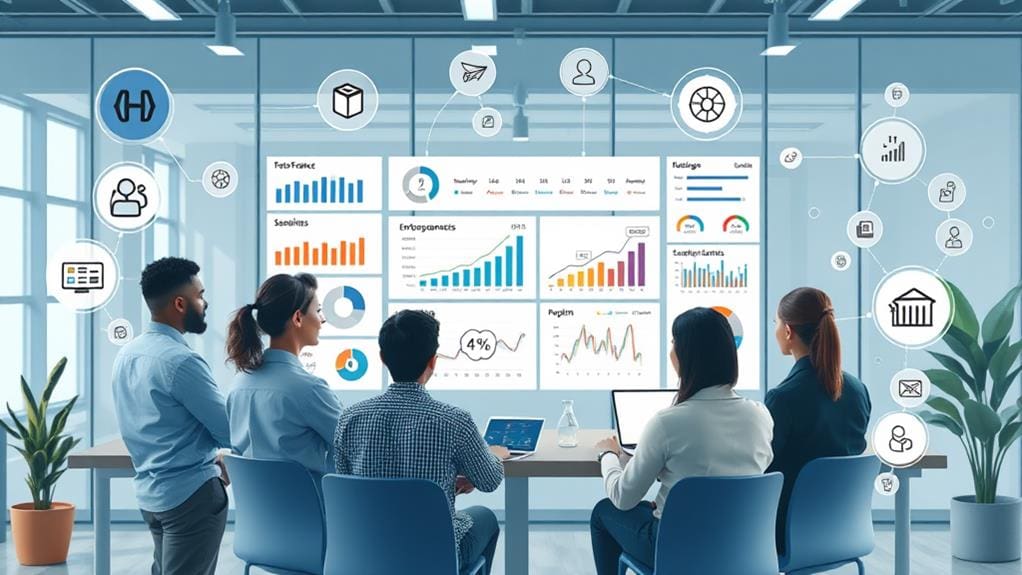
In the dynamic landscape of small and medium-sized businesses (SMBs), effective performance management solutions are increasingly critical for enhancing employee productivity and aligning individual objectives with organizational goals.
By integrating advanced technology and AI, SMBs can streamline processes that foster continuous improvement and facilitate employee development. These solutions not only enhance performance tracking but also guarantee that goal alignment becomes a strategic focus of the organization.
The implementation of performance management solutions can be distilled into four critical components:
- Feedback Automation: Leveraging AI to automate feedback processes allows for timely and consistent input, fostering a culture of open communication while reducing manager workloads.
- Performance Analytics: Utilizing data analytics tools enables organizations to evaluate employee performance metrics effectively, uncovering insights that guide skill assessment and targeted development initiatives.
- Coaching Tools: Integrating coaching tools into performance management equips leaders with the resources needed to support their team's growth, enhancing individual capabilities aligned with business objectives.
- Reward Systems: Designing reward systems grounded in measurable performance metrics helps motivate employees by acknowledging their contributions and promoting a culture of excellence.
These performance management solutions not only enhance employee engagement but also drive strategic outcomes, positioning SMBs to thrive in a competitive market.
Streamlining Administrative Tasks
Effective performance management solutions pave the way for enhanced efficiency in other areas of human resources, particularly in streamlining administrative tasks. The integration of artificial intelligence (AI) into HR processes markedly reduces the burden of repetitive and time-consuming activities, thereby allowing HR professionals to focus on strategic initiatives.
One area where AI excels is automated onboarding. By automating document management, organizations can expedite the onboarding process for new hires, guaranteeing that necessary paperwork is completed swiftly and accurately. This leads to improved compliance monitoring, minimizing the risk of regulatory issues and enhancing overall operational integrity.
Additionally, AI systems facilitate time tracking and payroll processing, streamlining these functions to guarantee accuracy and timeliness in employee compensations.
With tools for employee self-service, organizations empower staff to manage their own tasks, from updating personal information to requesting time off. This encourages a culture of autonomy while freeing HR personnel to concentrate on higher-value tasks.
In addition, advanced reporting analytics enhance decision-making processes by providing real-time insights into workforce performance.
In terms of workflow optimization, AI enables task prioritization, helping HR teams allocate resources more effectively. By evaluating which processes require immediate attention, businesses can enhance productivity and improve response times.
Ultimately, the strategic implementation of AI in streamlining administrative tasks fosters an environment that values efficiency, accuracy, and employee empowerment, guaranteeing that human resources function as a crucial contributor to organizational success.
Future Trends in AI and HR
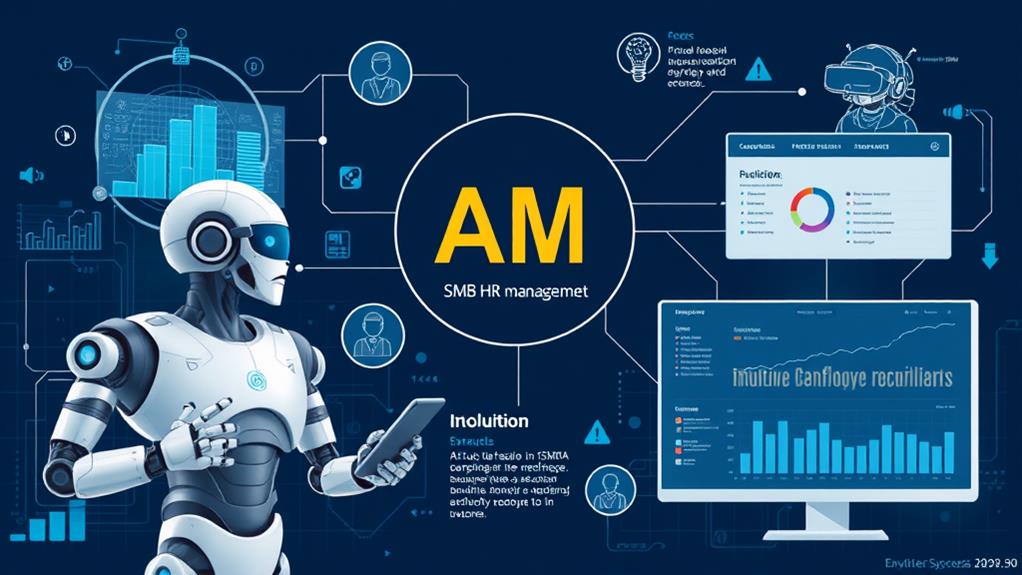
How will the evolving landscape of artificial intelligence redefine HR practices in the coming years? As businesses navigate technological advances, the integration of AI into human resources is poised to transform the way organizations manage talent, engage employees, and guarantee compliance with ethical considerations and AI regulations.
The implications for the future workforce are profound, introducing both opportunities and challenges that must be strategically addressed.
Here are four critical trends to monitor:
- Enhanced Employee Privacy Protections: Organizations will need to innovate in safeguarding employee data while leveraging AI analytics, balancing transparency with privacy.
- Adaptive Training Needs: As AI continues to evolve, so too must the training programs for HR professionals. There will be a growing need to equip teams with the skills to navigate changes driven by technology adoption.
- Addressing Job Displacement: With AI automating routine tasks, HR must proactively manage the potential for job displacement, reskilling employees, and fostering new roles within the organization.
- Facilitating Organizational Change: HR departments will play a pivotal role in guiding organizational change, guaranteeing alignment between AI initiatives and corporate culture to maintain employee engagement and morale.
Frequently Asked Questions
How Much Does AI Implementation Typically Cost for Smbs?
Costs associated with AI implementation for small and medium-sized businesses (SMBs) vary greatly based on specific requirements and existing infrastructure.
AI budget considerations typically include software purchases, hardware upgrades, and ongoing support.
Implementation timelines can range from a few months to over a year, influenced by the complexity of integration and employee training.
A strategic approach to budgeting and planning is essential to guarantee successful deployment while minimizing disruption and maximizing return on investment.
What Are Common Challenges SMBS Face When Adopting AI for Hr?
Small and medium-sized businesses (SMBs) often encounter several challenges when adopting artificial intelligence for human resources.
Key issues include ensuring data privacy, as managing sensitive employee information becomes vital.
Additionally, effective employee training is essential to maximize the benefits of AI tools while reducing resistance to change.
Without addressing these challenges, SMBs may struggle to integrate AI successfully, leading to inefficiencies and potential compliance risks in their HR management processes.
How Do Employees Typically React to AI in HR Settings?
Employees often exhibit mixed reactions to the implementation of AI in HR settings. While some appreciate the efficiency and data-driven insights provided, others may express concerns stemming from trust issues regarding AI's objectivity and decision-making processes.
Employee perceptions can vary considerably based on their experiences with technology, prior training, and communication channels established by management.
To foster acceptance, organizations must strategically address these concerns and create an inclusive environment that emphasizes transparency and collaboration.
Is AI Biased in Its Decision-Making Processes?
Is AI inherently biased in its decision-making processes? The answer lies in the interplay of algorithmic fairness and the data's diversity.
When training datasets lack diversity, the risk of embedding bias into algorithms increases. However, through effective bias mitigation strategies and rigorous ethical considerations, organizations can combat these risks.
Achieving true impartiality in AI demands continuous evaluation and vigilance, fostering a landscape where data-driven decisions champion freedom and equity rather than reinforce systemic inequalities.
What Skills Are Needed to Manage AI Tools in Hr?
To effectively manage AI tools in human resources, professionals must possess strong data analysis capabilities to interpret insights derived from AI algorithms.
Furthermore, skills in tool integration are essential, ensuring that AI platforms work seamlessly with existing HR systems.
A strategic mindset is necessary to evaluate the implications of AI decisions, alongside a commitment to ethical considerations, ultimately fostering an environment where human intuition and technological innovation harmoniously coexist and empower the workforce.
Conclusion
The integration of artificial intelligence into human resource management has necessitated a paradigm shift for small and medium-sized businesses. Embracing AI-driven tools enhances efficiency in recruitment, employee engagement, performance evaluation, and administrative processes. As automation and predictive analytics become ubiquitous, the potential for HR professionals to focus on strategic initiatives will increase. Ultimately, the marriage of AI and HR practices will allow SMBs to evolve in a manner akin to the industrial revolution, fostering innovation and growth in the workforce.