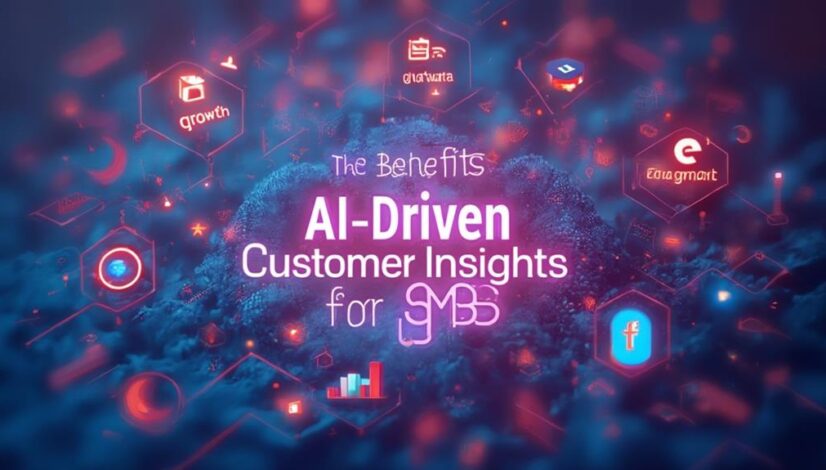
The Benefits of AI-Driven Customer Insights for SMBs
AI-driven customer insights provide small and medium-sized businesses (SMBs) with critical advantages in today's competitive landscape. These tools enhance data analysis, enabling precise segmentation and predictive modeling, which anticipate customer needs and behaviors. Personalized experiences foster stronger customer relationships, while improved marketing strategies guarantee targeted outreach that maximizes engagement. Additionally, AI facilitates efficient resource allocation, allowing SMBs to focus investments on high-impact initiatives. Real-time decision-making, underpinned by actionable insights, empowers agility and promotes customer retention. As a result, SMBs can navigate market dynamics with confidence, setting the stage for sustainable growth and strategic differentiation. For further exploration of these benefits, additional insights await.
Key Takeaways
- AI-driven customer insights enhance data analysis, helping SMBs identify customer behavior patterns and anticipate needs effectively.
- Personalized experiences foster customer loyalty, allowing SMBs to engage distinct audience segments with tailored communications.
- Improved marketing strategies driven by AI analytics enable SMBs to target their campaigns efficiently and adapt to consumer preferences.
- Real-time decision making powered by predictive analytics helps SMBs quickly identify trends and pivot strategies for competitive advantage.
- AI tools bolster customer retention by identifying at-risk customers and implementing tailored interventions to improve satisfaction and loyalty.
Enhanced Data Analysis

Enhanced data analysis has emerged as a significant tool for small and medium-sized businesses (SMBs), allowing them to harness the voluminous amounts of information generated by customer interactions. By employing effective data segmentation, SMBs can categorize their clientele according to distinct behaviors and preferences. This categorization facilitates the collection of targeted insights, ensuring that marketing efforts resonate more effectively with diverse customer groups.
Predictive analytics serves as a cornerstone in this analytical framework, equipping SMBs with the foresight to anticipate customer needs and preferences. This capability is vital for trend identification, enabling businesses to stay ahead of evolving market dynamics.
Furthermore, through sentiment analysis, organizations can gauge customer opinions and emotions, directly informing their strategic decisions and enhancing customer satisfaction.
Behavioral insights derived from customer data further empower SMBs to refine their offerings, ensuring that products and services align with consumer expectations. This all-encompassing understanding can bolster competitive benchmarking, allowing businesses to position themselves favorably against rivals.
A strategic implementation of these analytical tools not only cultivates a robust consumer connection but also fosters innovation and increased agility in maneuvering market changes.
In essence, the integration of enhanced data analysis enables SMBs to break free from traditional constraints, empowering them to become agile competitors while delivering unparalleled value to their customers.
As businesses continue to adapt to an evolving landscape, leveraging data-driven insights becomes not just advantageous, but essential for sustained growth and success.
Personalized Customer Experiences
In today's competitive landscape, delivering personalized customer experiences has become a significant differentiator for small and medium-sized businesses (SMBs). By leveraging AI-driven customer insights, SMBs can better understand their target audience, fostering deeper connections and enhancing their overall brand loyalty.
This approach enables businesses to utilize user segmentation techniques to categorize customers based on shared characteristics and behaviors, which is essential for effective communication and tailored offerings.
Behavior prediction algorithms analyze existing data, revealing patterns that can anticipate customer needs and preferences, allowing businesses to craft experiences that resonate on a personal level.
Moreover, integrating lifestyle mapping and journey mapping techniques helps illustrate the customer's path, from initial contact through to post-purchase engagement, enriching the personalization process.
By utilizing emotional intelligence, SMBs can address customers' sentiments, shaping interactions that feel both relevant and thoughtful.
The establishment of robust feedback loops is imperative for sustaining these personalized experiences; engaging with customers to gather insights guarantees that businesses can continuously adapt their strategies based on real-time feedback.
Additionally, monitoring engagement metrics provides measurable insights into the effectiveness of personalization efforts, allowing for iterative improvements.
Ultimately, the ability to personalize interactions not only strengthens customer satisfaction but also empowers SMBs to compete effectively against larger organizations.
Embracing these AI-driven insights enables smaller enterprises to manifest their unique value propositions while securing customer loyalty in a dynamic market.
Improved Marketing Strategies
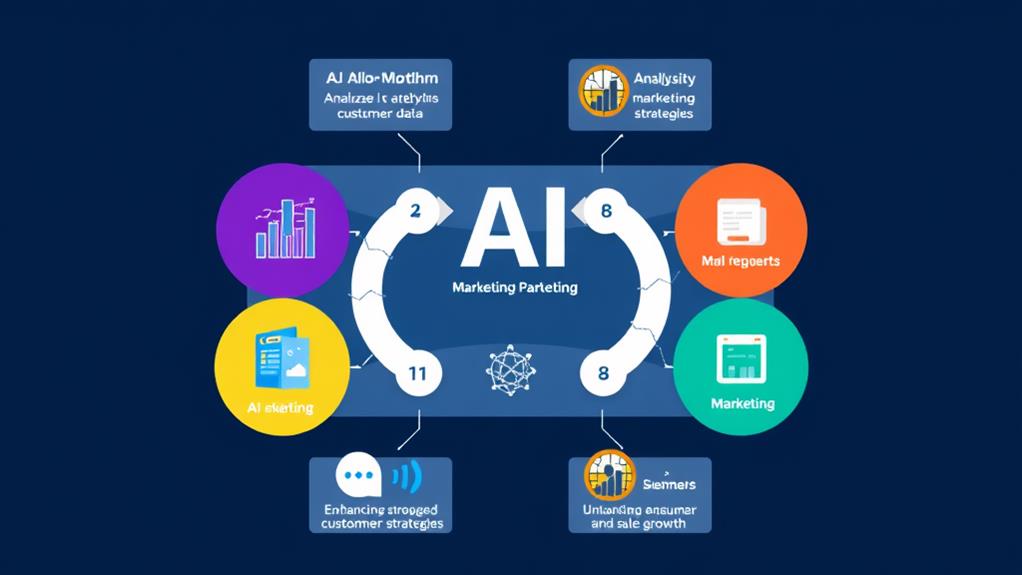
While SMBs often face resource constraints compared to larger corporations, integrating AI-driven customer insights into their marketing strategies can markedly elevate their outreach and effectiveness. By leveraging data analytics, these businesses can more accurately identify their target audience, a critical component for successful marketing campaigns. Enhanced market segmentation allows SMBs to categorize consumers into distinct groups based on behaviors and preferences, facilitating more specific and impactful interactions.
AI-driven technologies contribute to content optimization by helping businesses devise relevant and engaging materials tailored to the unique needs of each segment. This process fosters a stronger emotional connection between the brand and its consumers, thereby enhancing brand positioning. When customers feel understood and valued, they are more likely to engage and convert.
Furthermore, campaign analytics enable SMBs to track the performance of their marketing efforts in real-time. By analyzing data trends, they can refine their strategies and adjust components such as message tailoring to better resonate with their audience. This iterative process not only increases campaign efficacy but also mitigates risk by avoiding costly missteps.
In an era where consumer preferences rapidly evolve, SMBs utilizing AI-driven insights are better equipped to adapt and thrive. By embracing these advanced strategies, small to medium-sized enterprises can redefine their marketing frameworks, ensuring that every initiative is not just a shot in the dark, but a strategically aimed effort to connect with their audience and amplify their brand presence.
Efficient Resource Allocation
As businesses navigate the challenges of limited resources, efficient resource allocation becomes critical for SMBs aiming to leverage AI-driven customer insights. In a market where agility and responsiveness define success, the ability to allocate resources effectively can set thriving enterprises apart from their competitors.
By harnessing AI, SMBs can identify patterns and trends in customer behavior, allowing them to make informed decisions on where to direct their efforts—ultimately leading to significant cost savings.
AI-driven insights facilitate the development of targeted investments. Instead of spreading resources thinly across an array of initiatives, businesses can focus on high-impact strategies that align with customer preferences and market demands.
For example, an SMB may discover through advanced analytics that a particular demographic is more responsive to a specific marketing channel. This allows the business to concentrate its advertising budget, ensuring that resources are not wasted on less effective strategies.
Moreover, these insights enhance proportionate investment in product development and customer service enhancements, ensuring that resources are utilized where they yield the greatest impact.
Fundamentally, AI empowers SMBs to shift from a reactive to a proactive approach, where decisions are driven by data rather than intuition.
Real-Time Decision Making
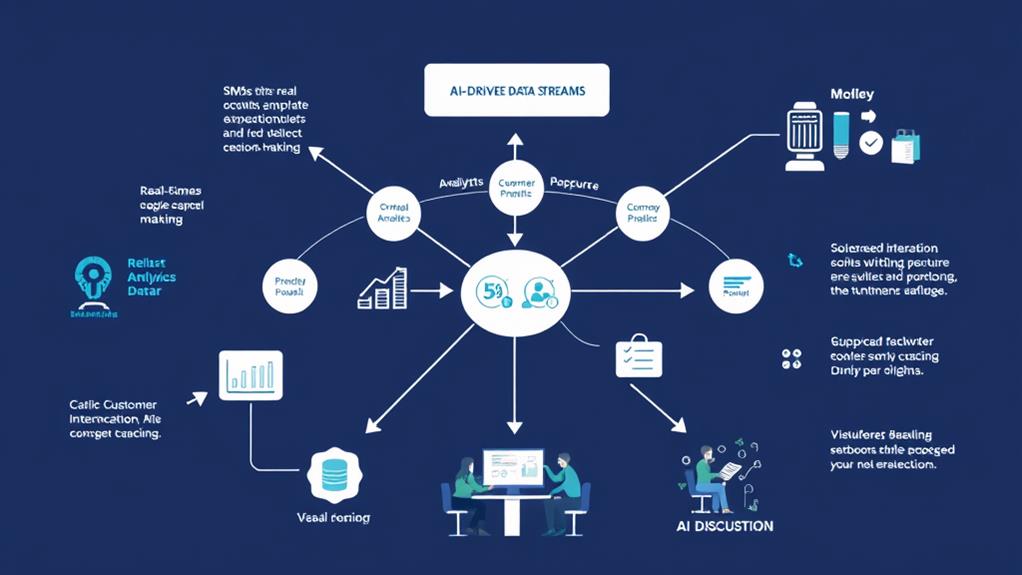
Making timely decisions is essential for SMBs to thrive in today's fast-paced market, and AI-driven customer insights provide a valuable advantage in this respect. The integration of predictive analytics into business strategies enables decision-makers to forecast outcomes and act swiftly based on real-time data. This capability allows SMBs to assess customer behavior, market trends, and emerging opportunities effectively, thereby positioning them ahead of competitors who may rely on outdated information.
AI-powered tools facilitate trend identification by sifting through large volumes of data in seconds, highlighting significant patterns that may go unnoticed through manual analysis. By utilizing these insights, SMBs can pivot their strategies in real time, responding to market fluctuations and customer needs with agility. For instance, a sudden surge in demand for a particular product can prompt immediate stock adjustments or targeted marketing efforts, maximizing sales potential.
Furthermore, real-time decision-making fosters a culture of innovation within SMBs. By embracing the ability to adapt in dynamic environments, organizations reveal opportunities for growth and differentiation. The freedom to make informed decisions based on accurate predictions allows business leaders to explore new avenues without the typical constraints of traditional data analysis.
Better Customer Retention
Leveraging AI-driven customer insights not only enhances real-time decision-making but also plays a pivotal role in improving customer retention for SMBs. The integration of predictive analytics allows businesses to accurately segment their customers, identifying distinct groups based on behavior and preferences. This granular understanding fosters personalized engagement strategies that resonate with each segment, ultimately driving customer loyalty.
Additionally, robust loyalty programs can be designed using insights gleaned from engagement metrics. By analyzing customer interactions, SMBs can create rewards that genuinely appeal to their clientele, thereby encouraging repeat purchases and deepening brand advocacy.
Feedback loops, facilitated by AI technologies, enable continuous improvement of these loyalty programs. Gathering insights from customer feedback guarantees that offerings remain relevant and appealing, directly tackling potential causes of churn.
Churn reduction is further enhanced as AI predicts which customers are at risk of leaving, allowing SMBs to implement targeted interventions. Such strategies can include personalized communications, tailored offers, or enhanced service improvements that address specific pain points for customers.
Frequently Asked Questions
What Types of Businesses Benefit Most From Ai-Driven Customer Insights?
Various types of businesses gain considerable advantage from AI-driven customer insights.
Retail businesses leverage analytics to enhance inventory management and customer engagement, while service industries optimize service delivery and client satisfaction.
E-commerce platforms utilize data to refine user experience and personalize marketing efforts.
Additionally, the hospitality sector benefits from understanding guest preferences, nonprofit organizations enhance donor relations, and healthcare providers improve patient care through targeted insights.
Ultimately, this fosters growth and strategic decision-making across sectors.
How Does AI Collect and Analyze Customer Data?
AI collects and analyzes customer data by leveraging diverse data sources, including social media, transaction histories, and customer feedback.
Through sophisticated analysis methods such as machine learning algorithms and natural language processing, AI can identify patterns, preferences, and trends in customer behavior.
This analytical approach not only enhances understanding but also drives strategic decision-making, allowing businesses to tailor their offerings and improve customer experiences, fostering a market environment that values autonomy and informed choices.
Are There Any Privacy Concerns With Using AI for Customer Insights?
The integration of AI in analyzing customer data raises significant privacy concerns, necessitating a thorough examination of data security and ethical considerations.
Companies must prioritize safeguarding personal information to maintain customer trust and comply with regulations.
Additionally, transparency in data usage is essential to empower consumers, allowing them to make informed decisions.
Ultimately, balancing the benefits of AI-driven insights with a commitment to privacy not only protects individuals but fosters a more sustainable business environment.
What Tools Are Recommended for Implementing Ai-Driven Insights?
In today's digital bazaar, where insights wield the power of alchemy, tools such as Tableau for data visualization and Alteryx for predictive analytics are indispensable.
These platforms allow businesses to unravel complex data patterns, transforming them into actionable strategies. Leveraging such technologies not only liberates organizations from decision-making uncertainty but also empowers them to cater proactively to customer needs.
Ultimately, these tools foster a strategic edge, ensuring sustainable freedom in a competitive landscape.
How Long Does It Take to See Results From AI Insights?
The implementation timeline for AI-driven insights can vary considerably based on the complexity of the system and the organization's readiness.
Typically, businesses may begin to see preliminary results within three to six months of deployment. Effective result measurement is essential during this period, as it provides critical feedback for optimizing algorithms.
Organizations must strategically align their goals with the insights to realize maximum benefits and enhance their competitive edge in the marketplace.
Conclusion
To summarize, the integration of AI-driven customer insights into small and medium-sized businesses (SMBs) presents a significant opportunity to enhance operational effectiveness. By harnessing advanced data analysis, personalization, and real-time decision-making, SMBs can cultivate stronger customer relationships and improve marketing strategies. As the saying goes, "Knowledge is power"; hence, the intelligent application of AI-generated insights enables SMBs to thrive in an increasingly competitive landscape, ultimately paving the way for sustained growth and improved customer loyalty.