How to Use Emerging Technologies in Your Marketing Strategy
To effectively integrate emerging technologies into your marketing strategy, focus on personalization, engagement, and data-driven insights. Utilize artificial intelligence to enhance customer segmentation and predictive analytics for anticipating behaviors. Implement augmented reality to create immersive experiences that captivate your audience. Leverage blockchain for transparent transactions and innovative loyalty programs. Additionally, incorporate real-time analytics to make swift adjustments to your campaigns based on audience feedback. By embracing these technologies, you can adapt to changing market dynamics and foster stronger consumer connections, ultimately driving growth and loyalty. There's more to explore in optimizing these approaches for maximum impact.
Key Takeaways
- Leverage predictive analytics and machine learning for precise consumer targeting and enhanced marketing strategies.
- Integrate IoT and real-time data analytics to gain deeper consumer insights and improve engagement.
- Utilize augmented reality for immersive experiences and interactive product demonstrations that resonate with customers.
- Implement AI-driven chatbots for personalized customer support and instant engagement to enhance user experiences.
- Explore blockchain technology to enhance transparency in transactions and innovate loyalty programs that foster consumer trust.
Understanding Emerging Technologies

Emerging technologies serve as transformative catalysts in the marketing landscape, reshaping how brands connect with consumers and adapt to market dynamics. The intersection of quantum computing and traditional data analytics enhances the capability to process vast amounts of information, enabling predictive modeling that drives precise consumer targeting.
As marketing pivots towards personalized experiences, voice search emerges as an essential interface, allowing brands to engage users in more conversational ways. The Internet of Things (IoT) exemplifies interconnectedness, facilitating real-time data collection from consumer touchpoints, while 5G technology guarantees high-speed connectivity that supports seamless communication with these devices.
This milieu fosters edge computing, which reduces latency and enables dynamic content delivery, enhancing user experiences. Moreover, the proliferation of wearable tech opens new avenues for understanding consumer behavior, providing brands with insights that were once abstract.
The concept of digital twins allows brands to create virtual replicas of their customer interactions, yielding deeper insights into consumer preferences and operational efficiencies. As marketing evolves, autonomous marketing emerges as a paradigm shift, leveraging algorithms and machine learning to automate complex decision-making processes.
However, the increasing reliance on data necessitates a stringent focus on data privacy, guaranteeing ethical standards are maintained in consumer interactions. Finally, immersive experiences, driven by augmented and virtual reality technologies, create powerful engagement opportunities, allowing brands to forge deep connections with their audience in a digitally saturated environment.
Benefits of Technology in Marketing
The integration of technology in marketing presents a myriad of advantages that enhance engagement opportunities and drive brand loyalty.
By leveraging advanced data analytics, businesses gain essential insights that enable them to refine their strategies and optimize customer experiences.
Moreover, the capability for personalization at scale transforms how brands connect with their audiences, fostering deeper relationships and increasing overall effectiveness.
Increased Engagement Opportunities
In today's fast-paced digital landscape, businesses are presented with unparalleled opportunities to engage their audiences through innovative technologies. Increased engagement opportunities are increasingly being shaped by social media platforms that allow for real-time interaction and community building. By leveraging interactive content such as polls, quizzes, and dynamic visuals, brands can invite participation, fostering deeper connections.
User-generated content stands as a potent tool, enabling customers to act as brand advocates. Similarly, mobile optimization guarantees that these engagement strategies are accessible on-the-go, capturing the ever-distracted consumer's attention.
Immersive experiences, whether through virtual reality or augmented applications, take engagement to new heights, offering consumers a unique way to interact with products. Implementing gamification strategies not only enhances user experience but also encourages ongoing interaction through rewards and challenges.
Video marketing further amplifies this, making content more relatable and digestible. Strong influencer partnerships enable a cross-channel engagement approach that introduces genuine credibility, while feedback loops facilitate real-time dialogue, allowing brands to adapt responsively to audience desires.
Therefore, the integration of these technologies propels marketing efforts to foster a liberated, interactive environment that resonates with modern consumers.
Enhanced Data Insights
Harnessing advanced technologies in marketing fundamentally transforms how businesses gather and interpret data, enabling them to make informed decisions that drive strategy. Enhanced data insights facilitate a deeper understanding of audiences, ultimately fostering more effective marketing initiatives. Companies can leverage modern tools for various metrics and analyses that inform their approach.
Key benefits include:
- Data Visualization Techniques: These simplify complex data sets, allowing marketers to easily identify trends and anomalies.
- Predictive Analytics Tools: Such tools empower businesses to anticipate customer behaviors, optimizing marketing strategies accordingly.
- Real-Time Analytics Applications: Real-time data enables swift adjustments to campaigns, enhancing responsiveness to market changes.
- Cross Channel Data Integration: This guarantees consistent messaging across platforms, maximizing brand impact and efficiency.
However, it's important to navigate data privacy considerations and guarantee compliance while implementing audience behavior tracking and performance metrics analysis.
By embracing insights generation methods that prioritize data-driven decision making, marketers cultivate agile strategies responsive to evolving consumer needs, achieving desired outcomes while honoring audience freedom and privacy rights.
The intersection of technology and data insights is therefore essential for a successful, future-proof marketing landscape.
Personalization at Scale
Personalization at scale represents a significant advancement in marketing strategies, offering businesses the ability to deliver tailored experiences to vast audiences without sacrificing quality or relevance. By leveraging dynamic content and audience segmentation, companies can effectively engage users by delivering targeted messaging that resonates with individual preferences and behaviors.
With behavioral targeting, brands can map the customer journey, identifying key touchpoints where tailored interactions enhance the user experience. This nuance is further amplified through cross-channel personalization, ensuring a cohesive message is conveyed across various platforms.
Utilizing predictive analytics, marketers can anticipate customer needs, enabling them to make real-time adjustments for ideal engagement. Automated recommendations also play an essential role in this ecosystem, providing users with personalized suggestions that elevate their overall experience.
By aligning these strategies with the principles of freedom and autonomy, brands empower consumers to explore products in a way that feels bespoke yet scalable. In this era of digital innovation, the synergy of these tools fosters deeper connections, ultimately leading to higher customer satisfaction and loyalty.
Embracing personalization at scale is vital for businesses aiming to thrive in an increasingly competitive marketplace.
Harnessing Artificial Intelligence
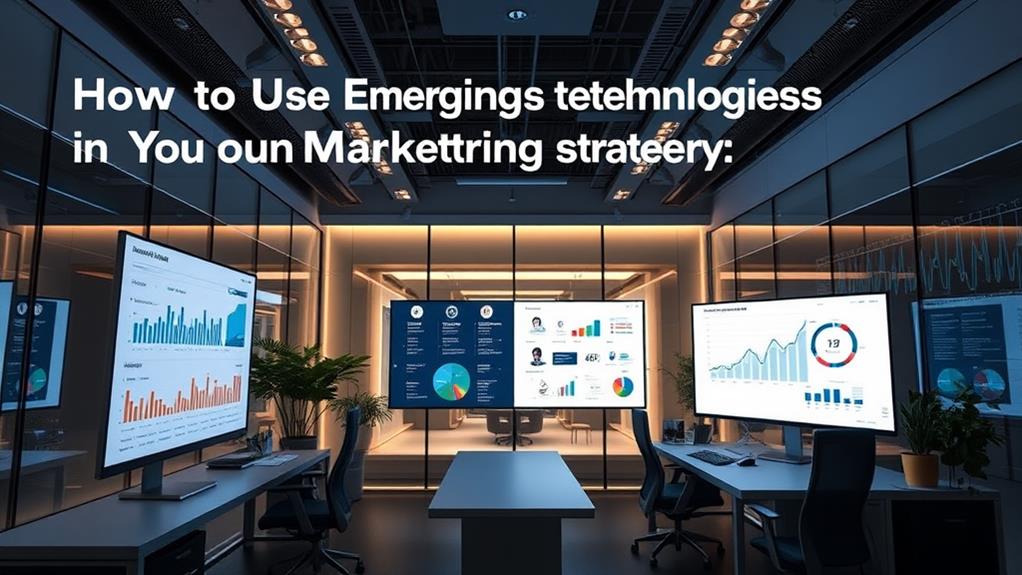
Amid the rapidly evolving digital landscape, artificial intelligence (AI) has emerged as a pivotal force in reshaping marketing strategies. Its applications are transforming how brands engage with customers, employing cutting-edge techniques to enhance efficiency and impact.
To harness AI effectively, businesses should focus on the following strategic areas:
- Predictive Analytics: By leveraging machine learning algorithms, marketers can analyze historical data to forecast consumer behavior, facilitating proactive decision-making.
- Customer Segmentation: AI simplifies the identification of distinct customer groups, using advanced segmentation techniques to tailor marketing messages and optimize campaign performance.
- Chatbot Integration: Implementing AI-driven chatbots allows companies to provide immediate, personalized customer support, enhancing user experience and driving engagement at scale.
- Content Generation and Sentiment Analysis: AI tools can automate content creation while performing sentiment analysis to gauge customer reactions, ensuring that marketing material resonates with target audiences.
Moreover, AI enhances capabilities in voice and image recognition, enabling brands to create nuanced interactions that foster deeper connections with consumers.
By employing automated campaigns guided by AI insights, marketing teams can deliver relevant messaging more efficiently.
The integration of AI into marketing strategies represents an innovative step towards a more adaptive and responsive approach to consumer needs, ultimately providing businesses the freedom to navigate the complexities of today's digital marketplace with confidence.
Embracing these advancements is not just an option; it is essential for brands aiming to thrive in an increasingly competitive environment.
Implementing Augmented Reality
Implementing augmented reality (AR) within marketing strategies offers brands a dynamic way to engage consumers through immersive experiences. This innovative technology transcends traditional advertising by enabling brands to create augmented reality applications that resonate with their audience on a deeper level.
AR allows for interactive product demos, making it easier for consumers to visualize products in their own environment through digital try-ons, thereby enhancing decision-making processes.
To maximize impact, brands can leverage location-based marketing, which tailors AR experiences to users' geographic locations, forging a personal connection and increasing relevance.
Gamified advertising, coupled with user-generated content, further amplifies engagement, as customers can actively participate in brand storytelling techniques that foster a sense of community and ownership.
Moreover, the integration of virtual reality enhances the effectiveness of AR by creating multi-dimensional narratives that elevate user experiences. As consumers increasingly seek freedom in how they interact with brands, the adaptability of AR content creation allows for experimentation and innovation, customized to meet diverse preferences.
Incorporating AR into marketing strategies not only creates immersive customer experiences but also positions brands as leaders in technological advancement. By embracing this cutting-edge medium, companies can cultivate a unique identity in a saturated market, attracting and retaining loyal customers.
Ultimately, implementing augmented reality is not just about adopting a trend; it is about creating an enriched narrative that allows consumers to experience the brand in an engaging, meaningful way.
Exploring Blockchain Opportunities
Blockchain technology presents significant opportunities for enhancing marketing strategies, particularly through increased transparency in transactions.
By leveraging smart contracts, businesses can streamline operations, reduce fraud, and guarantee compliance, fostering greater trust with consumers.
Additionally, innovative loyalty programs utilizing blockchain can provide customers with secure, verifiable rewards, thereby enhancing engagement and brand loyalty.
Transparency in Transactions
As businesses increasingly seek to build trust with consumers, the integration of blockchain technology presents a transformative solution to enhance transparency in transactions. By leveraging blockchain verification, organizations can drastically improve transaction security and data integrity, ultimately fostering greater consumer trust.
Key benefits of implementing blockchain technology in transactions include:
- Enhanced Transparency: All parties can access and verify transaction history, promoting accountability.
- Fraud Prevention: Immutable records minimize opportunities for deceitful practices, reinforcing ethical practices within the ecosystem.
- Improved Transaction Speed: Streamlined processes lead to quicker confirmations and reduce delays, enriching the overall user experience.
- Regulatory Compliance: By providing verifiable and transparent records, businesses can more easily meet compliance standards.
Incorporating blockchain in marketing strategies not only emphasizes transparency benefits but also adapts to consumer demands for ethical practices and security.
As consumer awareness grows, they increasingly value brands that prioritize these principles. By investing in such innovative technologies, companies can cultivate stronger relationships with their audience, setting a solid foundation for a resilient business future.
Embracing these blockchain opportunities aligns seamlessly with the freedom-driven aspirations of today's discerning consumers.
Smart Contracts Implementation
The adoption of blockchain technology extends beyond enhancing transaction transparency; it also opens the door for innovative applications like smart contracts. These self-executing contracts facilitate contract automation, reducing reliance on traditional intermediaries and enabling decentralized applications to flourish.
With a digital identity securely encoded in blockchain, businesses can guarantee transaction security, thereby fostering consumer trust.
Implementing smart contracts provides numerous advantages in compliance management, dynamically adjusting to regulatory requirements without human intervention. However, organizations must consider the legal implications of this technology, ensuring their contracts comply with existing laws.
Smart contract audits are essential to verify functionality and security, minimizing risks associated with execution errors.
In industries such as supply chain management, smart contracts streamline processes by automating payment and verification stages. Leveraging token incentives can attract customer engagement while aligning with programmable marketing strategies, allowing brands to create tailored offers based on real-time data.
As businesses explore these blockchain opportunities, adapting to the evolving landscape will be critical. Embracing smart contracts not only enhances operational efficiency but also positions organizations at the forefront of technological innovation, revealing new avenues for growth and competitive advantage.
Loyalty Programs Innovation
Innovation in loyalty programs has reached a pivotal moment with the integration of blockchain technology, offering unprecedented opportunities for enhancing customer engagement and retention.
Blockchain enables a more secure, transparent environment for transactions, fostering trust between brands and consumers. This transformative approach allows businesses to tap into essential strategies that drive loyalty.
Key innovations in loyalty programs include:
- Loyalty Gamification: Engaging customers through game-like experiences that encourage participation and reward interactions.
- Rewards Customization: Using behavioral analytics to tailor rewards based on individual customer preferences, thereby enhancing satisfaction.
- Tiered Benefits: Implementing different levels of rewards that incentivize customers to achieve and maintain higher tiers.
- Digital Wallets & Mobile Applications: Streamlining reward redemption and transactions for an effortless customer experience.
Data Analytics and Marketing
How can businesses leverage data analytics to refine their marketing strategies? In an era defined by information, the ability to analyze customer behavior through data analytics has become essential. By employing predictive modeling, companies can anticipate market trends and customer needs, allowing for the development of proactive strategies rather than reactive ones. This foresight empowers businesses to tailor their segmentation strategies effectively, ensuring that marketing efforts resonate with specific consumer groups.
Moreover, data visualization techniques can transform complex datasets into visually digestible insights, enabling marketers to quickly understand campaign performance and make informed decisions. Integrating marketing automation tools with real-time analytics enhances this process by providing immediate feedback on how campaigns are performing. This agility in marketing allows brands to adjust their strategies swiftly, optimizing for both efficiency and effectiveness.
However, while migrating towards a data-centric approach, businesses must remain vigilant about data privacy concerns. Striking a balance between leveraging consumer data for personalized marketing and upholding ethical standards is vital. Companies can benefit from competitor benchmarking analyses to identify strengths and weaknesses in their strategies relative to industry standards.
Ultimately, a sophisticated approach to trend analysis not only informs marketing tactics but also contributes to long-term customer trust and loyalty. By refining their marketing strategies with data analytics, businesses can set themselves apart in an increasingly competitive landscape, fully embracing the freedoms that innovative technology affords.
Future Trends to Consider
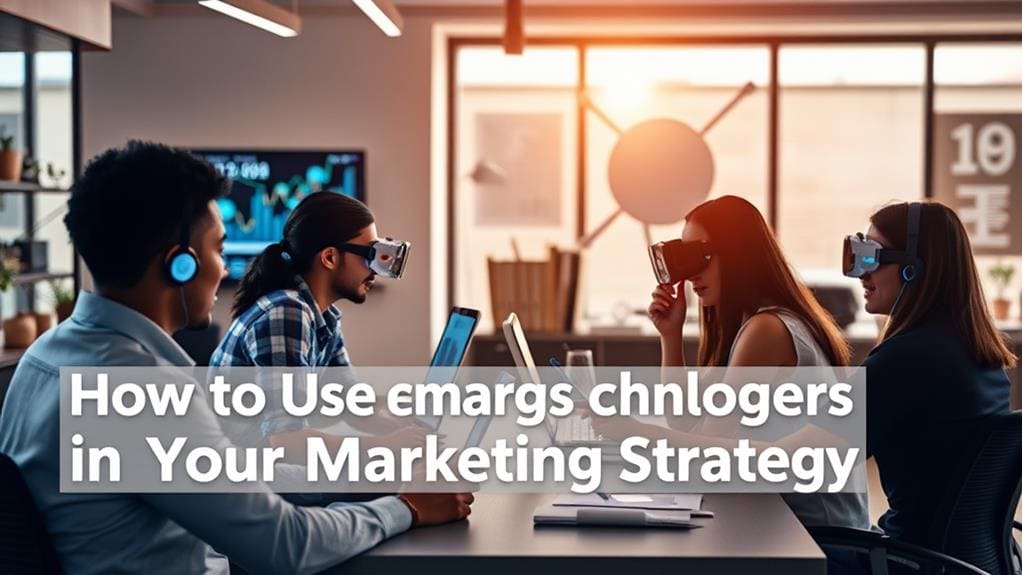
As businesses navigate the evolving landscape of marketing, several key trends are poised to reshape strategies in the coming years. Companies must remain alert to these shifts, integrating them into their marketing frameworks to guarantee relevance and effectiveness.
Here are four paramount future trends to reflect on:
- Sustainability Practices: Consumers are increasingly prioritizing brands that demonstrate a commitment to environmental responsibility. Companies that incorporate sustainability practices into their supply chains, product designs, and marketing narratives will resonate more profoundly with eco-conscious consumers.
- Voice Search Optimization: As the use of smart speakers and voice-assisted devices continues to rise, optimizing content for voice search will become essential. Marketers need to rethink SEO strategies, focusing on natural language and conversational queries to enhance visibility in voice search results.
- Augmented and Virtual Reality: The integration of AR and VR into marketing strategies offers immersive experiences that foster deeper engagement. Brands that leverage these technologies can create unique storytelling opportunities and foster brand loyalty.
- AI-Driven Personalization: Artificial Intelligence will further empower marketers to deliver hyper-personalized content. Leveraging AI analytics allows businesses to craft tailored experiences that cater not only to demographics but also to individual preferences.
Frequently Asked Questions
How Do I Choose the Right Technology for My Business?
To choose the right technology for your business, begin with a thorough technology assessment that evaluates your current capabilities and identifies gaps.
Align potential technologies with your strategic goals to guarantee compatibility and effectiveness.
Consider scalability and adaptability to evolving market trends, fostering a culture of innovation within your organization.
Prioritize solutions that empower your team, enhancing operational efficiency while preserving a level of autonomy that encourages creativity and responsiveness in a dynamic business environment.
What Budget Should I Allocate for Emerging Technology Investments?
Allocating a budget for emerging technology investments can seem intimidating; however, adopting an innovative mindset allows for greater freedom in decision-making.
Start by establishing clear investment metrics to evaluate potential returns and align expenditures with organizational goals. Aim for budget flexibility to accommodate adjustments based on evolving technology trends.
Generally, dedicating 5-10% of your annual budget to emerging tech can provide a balanced approach, ensuring both exploration and sustainable growth.
How Do I Train My Team on New Technologies?
Training your team on new technologies requires a structured approach. Implement technology workshops that foster team collaboration and hands-on learning.
Encourage an adaptive learning environment where team members can share insights and experiences, enhancing collective knowledge.
Utilize innovative teaching methods, such as interactive sessions and practical applications, to guarantee engagement.
Regularly assess progress and provide feedback, allowing the team to develop confidence and proficiency as they navigate the evolving technological landscape.
Can Small Businesses Benefit From These Technologies?
Many small businesses may believe that emerging technologies are beyond their reach; however, these tools can greatly enhance customer engagement and provide a competitive advantage.
By leveraging innovative technologies, small enterprises can adapt to changing market demands, streamline operations, and connect with customers more effectively.
Embracing these advancements allows smaller players to compete on a larger scale, fostering creativity and efficiency while ultimately driving growth and sustainability in today's dynamic marketplace.
What Are the Risks of Using Emerging Technologies in Marketing?
The risks of employing emerging technologies in marketing often revolve around data privacy and ethical concerns, which can undermine customer trust.
Additionally, implementation challenges may arise, complicating technology integration within existing frameworks.
Organizations must navigate potential market volatility, as rapid technological changes can disrupt strategies.
A careful approach, considering these factors, is essential for mitigating risks while remaining innovative and adaptive in a competitive landscape.
Conclusion
Incorporating emerging technologies into marketing strategies not only revolutionizes brand engagement but also ushers in an unprecedented era of consumer interaction. By leveraging advancements such as artificial intelligence, augmented reality, and blockchain, organizations can enhance data analytics and optimize decision-making processes. Future trends indicate a continual evolution within this domain, ensuring that the integration of innovative technologies will be paramount in achieving competitive advantage and fostering deeper connections with target audiences in an increasingly digital landscape.