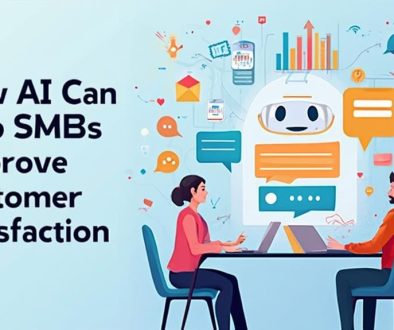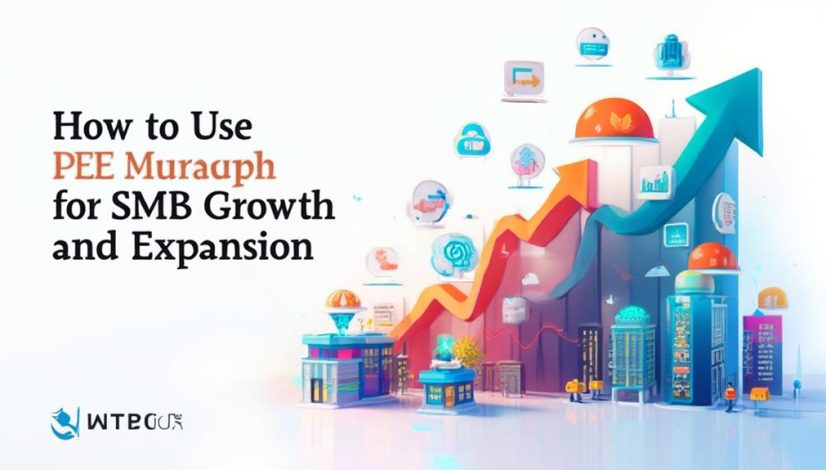
How to Use AI for SMB Growth and Expansion
To leverage AI for growth and expansion, small and medium-sized businesses (SMBs) should focus on optimizing operations and enhancing customer interactions. By automating routine tasks, businesses can increase efficiency and allocate resources to strategic initiatives. Utilizing data analytics allows for informed decision-making, identifying market trends and consumer preferences. Personalized marketing strategies can deepen customer connections, while AI-driven insights enable better performance monitoring. Additionally, fostering a culture of continuous learning and innovation is essential. By embracing these strategies, SMBs position themselves for sustainable growth in an increasingly competitive landscape. Explore the potential benefits further to reveal your business's true capabilities.
Key Takeaways
- Implement AI tools to optimize operations and enhance customer experience, addressing resource limitations faced by SMBs.
- Provide employee training on AI technologies to foster adaptability and innovation within the organization.
- Utilize data-driven decision-making through predictive analytics to align business strategies with market trends.
- Streamline administrative processes by automating routine tasks, allowing teams to focus on strategic growth initiatives.
- Conduct competitor analysis and market trend assessments to identify new growth opportunities and refine marketing strategies.
Understanding AI for SMBs

How can small and medium-sized businesses (SMBs) leverage artificial intelligence (AI) to drive their growth and expansion? At its core, understanding AI Basics is essential for SMBs enthusiastic to harness its potential. AI offers a vast array of tools designed to address common SMB challenges such as resource limitations and market competition. By implementing AI tools, businesses can optimize operations, enhance customer experience, and make data-driven decisions that propel growth.
However, the journey toward AI adoption is not without its hurdles. SMBs must navigate Adoption Barriers, including financial constraints, lack of technical expertise, and resistance to change. To overcome these challenges, crafting effective Implementation Strategies is critical. This begins with understanding Cost Considerations, allowing businesses to allocate resources efficiently and consider scalable AI solutions.
As SMBs start on this journey, Training Needs must be prioritized. Investing in employee education on AI technologies fosters a culture of innovation and adaptability. Additionally, ethical implications surrounding AI usage must be carefully considered to guarantee responsible deployment.
Looking ahead, Future Trends indicate that AI will become an integral component of business strategy, continually evolving to meet new demands. Successful integration methods will also play a key role, enabling SMBs to seamlessly incorporate AI into their existing processes.
Identifying Growth Opportunities
Identifying growth opportunities requires a strategic approach that leverages market trend analysis and competitor insights.
By utilizing advanced AI tools, SMBs can uncover emerging trends and gaps within their industry, making data-driven decisions that align with customer needs.
This analytical framework not only enhances competitive positioning but also paves the way for sustainable expansion in a dynamic market landscape.
Market Trend Analysis
In today's dynamic business landscape, a significant number of small and medium-sized businesses (SMBs) are turning to market trend analysis as a strategic tool for uncovering growth opportunities. By examining consumer behavior and preferences, SMBs can identify shifts in the competitive landscape that may influence their market positioning.
Market segmentation becomes pivotal as businesses pinpoint specific demographics, allowing for tailored marketing strategies that resonate with target audiences.
Trend forecasting, powered by AI, enables SMBs to anticipate future consumer preferences and behaviors, optimizing their offerings in line with seasonal trends and economic indicators.
Additionally, understanding technology adoption rates within particular segments allows SMBs to adapt and innovate accordingly.
Competitor Insights Utilization
Gaining insights into competitor strategies is essential for SMBs aiming to reveal growth opportunities within their market. Thorough competitor analysis allows businesses to fine-tune their market positioning and leverage strategic benchmarking to stay ahead.
By engaging in performance evaluation, companies can identify key metrics that indicate areas of strength and weakness in their niche. A detailed threat assessment also provides clarity on potential risks posed by competitors, ensuring that SMBs are well-prepared to navigate their evolving landscape.
Opportunity mapping further enhances this process by pinpointing gaps in the market that can serve as footholds for expansion. Additionally, evaluating competitor pricing strategies offers valuable intelligence; businesses can adjust their own pricing models to achieve ideal brand differentiation.
Stronger awareness of competitors' strengths assessment allows for the crafting of unique value propositions that resonate with target audiences. Conversely, weakness identification in competitor approaches reveals chances for SMBs to capitalize, thereby distinguishing themselves effectively.
In a market that demands agility and innovation, harnessing these insights transcends competition, empowering SMBs to foster growth and lay the groundwork for sustained success.
Data-Driven Decision Making
Harnessing insights garnered from competitor analysis naturally leads SMBs to the pursuit of data-driven decision making as a means of uncovering growth opportunities. By leveraging predictive analytics, businesses can forecast trends that align with market shifts, enabling them to make proactive decisions rather than reactive ones.
Implementing robust business intelligence systems helps in aggregating performance metrics, facilitating the effective monitoring of objectives and financial health.
Furthermore, data visualization tools allow SMBs to present complex data succinctly, enhancing stakeholder engagement and promoting informed discussions. Understanding customer segmentation enables targeted marketing strategies, resulting in increased customer satisfaction and loyalty.
Effective risk assessment is an essential component of strategic planning; by identifying potential pitfalls, SMBs can channel resources accurately, thereby minimizing losses.
Additionally, a firm grasp of trend forecasting equips businesses to seize opportunities timely, ensuring they remain competitive in the industry.
Automating Routine Tasks

Automating routine tasks is a critical step for small and medium-sized businesses (SMBs) seeking to enhance operational efficiency.
By streamlining administrative processes, improving data management, and optimizing communication channels, companies can reallocate valuable resources towards strategic growth initiatives.
This approach not only reduces the potential for human error but also fosters a more agile and responsive business environment.
Streamlining Administrative Processes
Many small and medium-sized businesses (SMBs) are recognizing the transformative potential of streamlining administrative processes through automation. By adopting document automation and e-signature solutions, SMBs can considerably enhance efficiency, reducing time spent on routine tasks and allowing valuable resources to be allocated to strategic initiatives.
Workflow optimization techniques facilitate seamless task prioritization, ensuring that critical jobs receive immediate attention, while less urgent tasks are managed within automated systems. This approach not only enhances productivity but also minimizes human error, enhancing overall compliance management.
Process mapping is essential for identifying bottlenecks and redundancies in existing workflows. By analyzing these processes, businesses can implement digital documentation practices, reducing reliance on paper and contributing to sustainable practices.
Embracing these technologies provides SMBs with the freedom to allocate their workforce toward innovation and growth, rather than being bogged down by administrative burdens. Ultimately, streamlining administrative processes through automation transforms operational approaches, allowing SMBs to operate more efficiently and respond nimbly to market changes.
Enhancing Data Management
Efficient data management is essential for the success of small and medium-sized businesses (SMBs), driving informed decision-making and operational effectiveness. By harnessing AI, SMBs can automate routine tasks associated with data management, enhancing productivity through streamlined processes.
Implementing advanced data integration techniques allows businesses to consolidate information from diverse sources, creating a unified data landscape.
Moreover, establishing robust data governance practices guarantees that data handling complies with regulatory standards, while proactive data security measures safeguard sensitive information. SMBs can further leverage data quality assessment tools to maintain high data integrity, promoting accurate analytics and reporting.
Additionally, utilizing data visualization tools translates complex data sets into intuitive, actionable insights, thereby empowering stakeholders at every level.
Implementing effective data lifecycle management guarantees that data is appropriately stored, archived, or purged according to organizational needs, enhancing efficiency.
To improve operational agility, embracing data accessibility solutions is significant, enabling users to harness information anywhere, anytime.
Finally, choosing suitable data storage options optimizes cost-effectiveness and scalability, empowering SMBs to grow sustainably.
Optimizing Communication Channels
A streamlined communication process is vital for small and medium-sized businesses (SMBs) aiming for growth and efficiency. Embracing AI-driven digital platforms can greatly enhance the effectiveness of communication tools.
By incorporating automated messaging applications, SMBs can guarantee team collaboration is seamless, fostering an environment where creativity thrives and ideas flow unimpeded.
Automating routine tasks, such as monitoring customer feedback, can dramatically reduce response times, allowing businesses to engage promptly with their audience. This responsiveness strengthens social engagement and reinforces a brand voice that resonates with customers.
Moreover, automating outreach strategies can enhance content sharing, assuring that relevant information reaches the target audience without manual intervention.
AI can analyze communication patterns, enabling businesses to tailor their approach based on historical data and current trends. This analytical capability empowers SMBs to optimize their messaging and refine their outreach strategies, ultimately driving growth.
Enhancing Customer Experience
Enhancing customer experience has emerged as a critical differentiator for small and medium-sized businesses (SMBs) aiming for growth and expansion in an increasingly competitive market. By leveraging artificial intelligence, SMBs can create a more engaging and personalized user experience, positioning themselves at the forefront of customer expectations.
Key strategies include:
- Personalized Recommendations: Utilize predictive analytics to tailor suggestions based on previous interactions. This not only boosts sales but also fosters a connection with your customer.
- Chatbot Integration: Implement AI-driven chatbots for service automation, providing 24/7 assistance. This guarantees that customer inquiries are addressed in real time, eliminating wait times and enhancing satisfaction.
- Feedback Loops: Establish mechanisms for real time feedback through sentiment analysis. By continuously monitoring customer attitudes and experiences, businesses can adapt their strategies promptly and effectively.
By embracing these strategies, SMBs can map the customer journey with greater accuracy, identifying pain points and areas for improvement.
Loyalty programs, supported by AI insights, can enhance retention by rewarding customers based on their preferences and behaviors. In this way, businesses not only cultivate deeper relationships but also increase their competitive edge through superior service.
Leveraging Data Analytics

Customer experience optimization naturally leads to an opportunity for harnessing data analytics to drive informed decision-making and strategic planning. For small and medium businesses (SMBs), integrating data analytics not only enhances operational efficiency but also empowers the organization to identify growth opportunities with precision and clarity.
By employing data visualization techniques, businesses can convert complex data sets into intuitive visuals, making insights readily accessible and actionable. Data visualization allows decision-makers to see trends, patterns, and anomalies that might otherwise remain obscured in raw data. This clarity facilitates more effective strategic responses.
For instance, an SMB analyzing customer behavior through visual dashboards can swiftly identify emerging preferences or shifts in demand, allowing for agile adaptation and competitive advantage.
In tandem, predictive modeling serves as a powerful tool for forecasting future outcomes based on historical data. By understanding potential customer behaviors and market trends, SMBs can strategically allocate resources and tailor products or services to meet anticipated demand.
Predictive models can guide inventory management, optimize pricing strategies, and enhance personalized marketing efforts, thereby fostering a proactive approach rather than a reactive one.
The combination of data visualization and predictive modeling not only liberates SMBs from the constraints of uncertainty but also cultivates a culture of data-driven decision-making. This disciplined focus on analytics becomes the foundation for sustainable growth and enhances the freedom to innovate and expand in an ever-evolving marketplace.
Improving Marketing Strategies
Harnessing innovative marketing strategies is critical for small and medium businesses (SMBs) seeking to differentiate themselves in a crowded marketplace. By leveraging AI, SMBs can enhance their marketing efforts through targeted approaches that resonate with their audience.
Here are three ways to improve marketing strategies:
- Content Personalization: Utilizing data analytics enables businesses to create tailored content that speaks directly to the interests and needs of their target audience. Personalized experiences create deeper connections and foster loyalty.
- Campaign Automation: Streamlining marketing efforts through automation allows SMBs to manage their email marketing and social media campaigns more efficiently. Automation tools can tailor outreach based on customer segmentation, triggering timely messages that improve engagement rates.
- Influencer Partnerships: Collaborating with influencers who align with the brand's values can amplify reach and authenticity. Effective brand storytelling through these partnerships engages audiences and leverages the influencer's credibility to attract potential customers.
Implementing these strategies not only facilitates improved brand visibility but also harnesses performance metrics to evaluate success.
By optimizing content for search engines, businesses can enhance their online presence. As SMBs embrace these advanced marketing approaches, they empower themselves to connect more meaningfully with consumers, thereby fostering sustainable growth.
Steering through the intricacies of digital marketing with the help of AI ultimately opens up a broader array of opportunities for SMBs, granting them the freedom to innovate.
Streamlining Operations
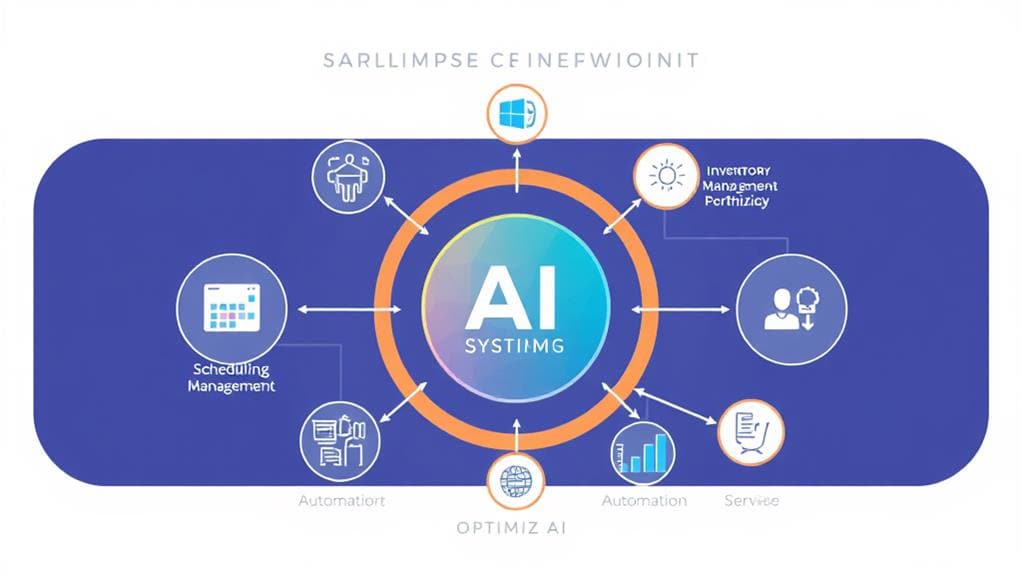
In today's fast-paced business environment, streamlining operations is essential for small and medium businesses (SMBs) aiming to enhance efficiency and drive growth. By harnessing the power of artificial intelligence (AI), SMBs can achieve considerable process optimization, allowing them to refine their operational efficiency and focus resources where they are most needed.
Central to this approach is effective resource management, which can be greatly improved through workflow automation. AI-driven systems facilitate task prioritization, ensuring that teams concentrate on high-impact activities rather than getting bogged down by mundane tasks. This technology integration not only accelerates processes but also fosters team collaboration, enabling members to work cohesively towards shared objectives.
Moreover, performance monitoring tools powered by AI provide real-time insights into operational workflows, empowering businesses to identify bottlenecks and adjust strategies proactively. Such proactive measures can considerably contribute to cost reduction, ultimately enhancing the bottom line.
For instance, AI can optimize supply chain management by predicting demand trends, minimizing excess inventory, and ensuring timely delivery of products.
In essence, the effective streamlining of operations through AI empowers SMBs to allocate resources intelligently, improve team dynamics, and respond swiftly to market fluctuations.
Businesses that embrace these innovations will not only optimize their current operations but also position themselves for sustainable growth in an ever-competitive landscape. Ultimately, embracing AI for operational efficiency is not just a trend; it is a strategic imperative for SMBs seeking to thrive and expand.
Measuring Success With AI
After streamlining operations with the power of AI, the next step for small and medium businesses (SMBs) is to effectively measure the success of these initiatives.
Employing a systematic approach to evaluating performance metrics and success indicators is vital in ensuring continued growth and progress. Here are three essential strategies to reflect on:
- ROI Assessment: Determine the financial impact of AI implementation by comparing profits against the costs of AI technologies. An accurate ROI assessment enables SMBs to make informed decisions about future investments.
- Growth Tracking: Use key performance indicators (KPIs) that align with your business goals. Regularly monitor these metrics to gauge progress and adjust strategies accordingly. Growth tracking facilitates dynamic goal alignment, making it easier to pivot in response to market changes.
- Data Visualization and Feedback Loops: Implement robust data visualization tools to present performance metrics clearly.
Combine this with established feedback loops to gather insights from employees and customers. This creates a culture of continuous improvement, enhancing the effectiveness of your AI initiatives.
Frequently Asked Questions
How Much Does Implementing AI Cost for Smbs?
Implementing AI in small and medium-sized businesses requires careful budget considerations, as costs can vary markedly based on the specific technology and integration needed.
Initial investments may activate a range of expenses, including software licenses, hardware, and ongoing maintenance.
However, it is essential for SMBs to align these costs with their return expectations, as the long-term benefits of operational efficiency and competitive advantage can justify the initial outlay, fostering sustainable growth.
Can AI Solutions Be Tailored for Specific Industry Needs?
Picture a tailor crafting a fine suit, precisely fitted to an individual's body.
Similarly, AI solutions can be expertly tailored through customized algorithms, designed to meet specific industry needs. By analyzing industry benchmarks, businesses can guarantee their AI applications resonate with their unique operational landscapes.
This bespoke approach empowers companies to harness the full potential of AI, opening new avenues for innovation and efficiency, while fostering a sense of autonomy in a competitive marketplace.
What Are the Main Risks of Using AI for SMB Growth?
The main risks associated with utilizing AI for growth in small and medium-sized businesses include data privacy concerns, as sensitive information may be exposed to breaches.
Ethical concerns arise from biased algorithms that can affect decision-making processes.
Implementation challenges, such as insufficient infrastructure and expertise, can hinder effective deployment.
Additionally, the impact on the workforce must be considered, as automation may lead to job displacement, necessitating careful management of changes and reskilling initiatives.
How Do I Choose the Right AI Tools for My Business?
Choosing the right AI tools for your business necessitates a thorough AI tool evaluation informed by an extensive business needs analysis.
Begin by identifying specific operational challenges and objectives that AI can address, ensuring alignment with overall strategic goals.
Evaluate tools based on usability, scalability, and integration with existing systems.
Engage stakeholders across departments to foster a collaborative approach, ultimately selecting solutions that empower your business while enhancing efficiency and innovation in decision-making.
What Skills Are Needed to Manage AI Implementations Effectively?
Steering through the intricate maze of AI implementations requires more than just technical knowledge; it demands a symphony of skills. Proficiency in data analysis enables the identification of pertinent insights, while adept project management guarantees that AI initiatives align with business objectives.
A successful manager must also cultivate adaptability and communication skills, fostering collaboration across diverse teams, ultimately liberating organizations to harness AI's full potential. Embracing these competencies is crucial for effective management in the evolving landscape of technology.
Conclusion
In the swiftly changing landscape of business, AI emerges as the magical elixir propelling small and medium-sized enterprises toward unprecedented growth and unfathomable expansion. With its transformative capabilities, AI not only automates mundane tasks but also uncovers hidden treasures of customer insights, shaping marketing strategies with surgical precision. Embracing AI transcends mere survival; it empowers SMBs to soar like majestic eagles, harnessing untold potential while redefining success in an increasingly competitive arena.