
Cross-Channel Marketing: Complete Guide for 2026
Cross-channel marketing has become the cornerstone of successful modern marketing strategies, enabling businesses to create seamless, integrated customer experiences across multiple touchpoints. Unlike traditional multichannel approaches where platforms operate in isolation, cross-channel marketing connects every interaction—from social media and email to SMS and in-store visits—into a unified customer journey. This integration allows brands to deliver consistent messaging, capture valuable consumer data, and coordinate campaigns that work in harmony. As consumer behaviors continue to fragment across devices and platforms, businesses that master cross-channel integration build stronger customer relationships, enhance brand trust, and drive sustainable growth.
Key Takeaways
- Cross-channel marketing connects multiple platforms to create a seamless, integrated customer journey rather than isolated touchpoints
- Consistent messaging across channels can increase revenue by up to 23% while building customer trust and brand recognition
- Data unification provides comprehensive insights into customer behavior, enabling targeted, personalized communications
- Coordinated cross-channel efforts reduce fragmentation and significantly improve the overall customer experience
- Measuring cross-channel performance through unified analytics helps optimize strategies for higher ROI and long-term growth
Understanding Cross-Channel Marketing
Many organizations underestimate the power of cross-channel marketing, leading to fragmented messaging and disconnected customer experiences. This oversight creates significant barriers in the customer journey, impacting engagement, conversion rates, and retention. Cross-channel marketing represents a cohesive strategy that enables organizations to deliver consistent, personalized messaging across multiple platforms—whether online or offline—thereby creating a superior customer experience.
The fundamental difference lies in integration. While many companies adopt multichannel approaches using various platforms such as social media, email, websites, and physical stores, these channels often operate in silos without strategic integration. This fragmentation results in conflicting messages and confusion for consumers. For instance, a customer might receive a 50% discount offer via email while simultaneously seeing a 20% discount on social media, creating doubt about the brand’s reliability and authenticity.
Modern consumers typically require seven or more touchpoints before making a purchase decision, and according to recent research on AI Agents Small Business adoption, companies leveraging integrated tools to manage these touchpoints are seeing measurable revenue gains. Without cross-channel integration, these interactions feel disjointed and fail to build the cumulative trust necessary for conversion. Cross-channel marketing solves this by creating a unified narrative that aligns with customer values and preferences across every touchpoint.
For brands seeking to build loyalty and trust, understanding cross-channel integration is paramount. It ensures consumers receive coherent, relevant information tailored to their needs while empowering them to interact with the brand freely across different platforms. By creating a connected experience that follows customers throughout their journey, brands can deliver personalized content at precisely the right moment, whether through a retargeted social ad after cart abandonment or a personalized email based on recent browsing behavior.
In an increasingly interconnected world where consumers seamlessly transition between devices and channels, brands must prioritize this integration to remain competitive. Those that successfully implement cross-channel strategies not only capture attention but also nurture lasting relationships, guiding consumers effortlessly along their journey from awareness to advocacy.
Cross-Channel vs. Multichannel vs. Omnichannel Marketing
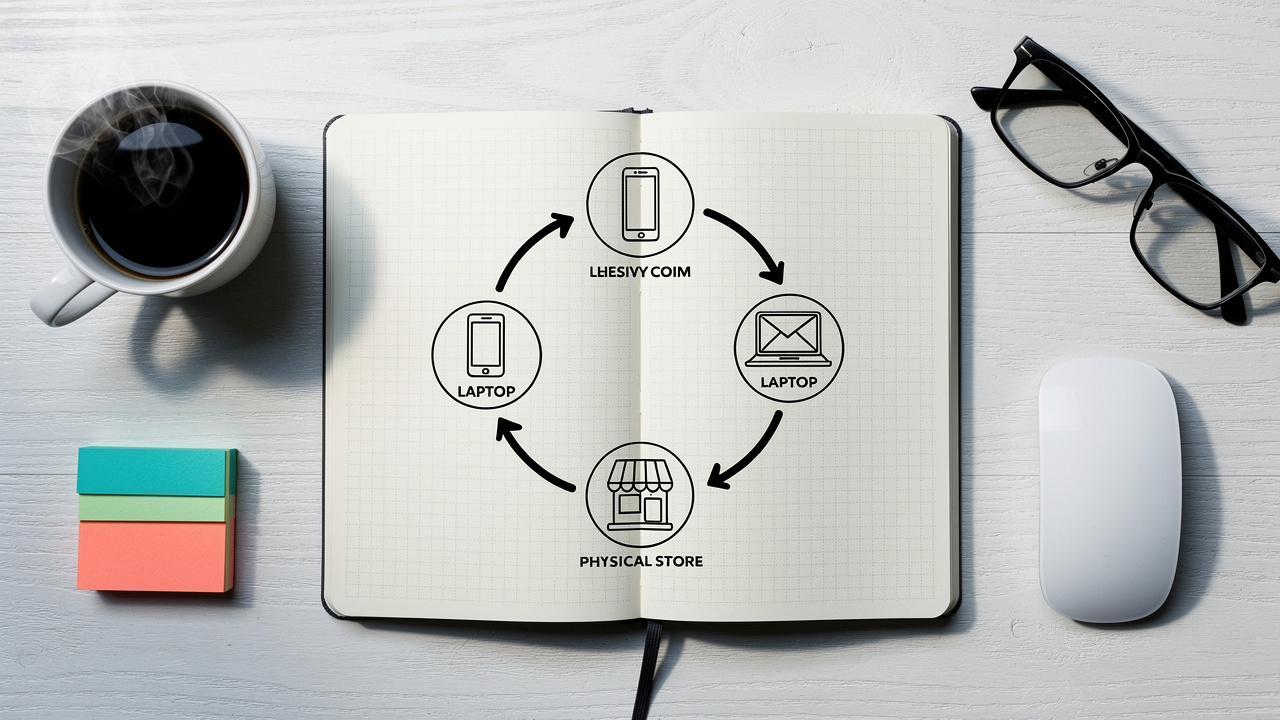
Understanding the distinctions between these three approaches is critical for developing an effective marketing strategy. While these terms are often used interchangeably, they represent fundamentally different operational philosophies with varying levels of integration and customer experience focus.
| Dimension | Multichannel Marketing | Cross-Channel Marketing | Omnichannel Marketing |
|---|---|---|---|
| Channel Coordination | Channels operate independently with no communication between platforms | Channels are connected and share data to create coordinated campaigns | All channels are fully integrated with seamless transitions and unified experiences |
| Data Integration | Data remains siloed within each platform; no unified customer view | Data is synchronized across channels to inform messaging and targeting | Complete data unification with real-time synchronization across all touchpoints |
| Customer Experience Focus | Brand-centric; focuses on channel presence rather than customer journey | Customer-centric; focuses on connected experiences across the journey | Fully customer-centric; prioritizes seamless experiences regardless of channel |
| Messaging Consistency | Messages may vary or conflict between channels | Messages are coordinated and consistent across connected channels | Messages are unified and adapt dynamically based on customer context |
| Implementation Complexity | Low; requires basic presence on multiple platforms | Moderate; requires data integration and campaign coordination | High; requires advanced technology, unified data platforms, and organizational alignment |
| Technology Requirements | Basic marketing tools for each channel | Marketing automation platforms and data synchronization tools | Customer Data Platforms (CDPs), advanced analytics, and AI-powered personalization |
According to a 2026 Blueshift survey, 92% of marketing leaders now prioritize consistent cross-channel experiences as a strategic imperative.
This shift reflects the growing recognition that modern consumers expect seamless interactions regardless of where they engage with a brand.
Multichannel marketing represents the foundational approach where brands maintain a presence across various platforms—social media, email, websites, and physical locations. However, these channels function independently, often resulting in fragmented customer experiences. A customer’s interaction on Instagram, for example, has no bearing on the email content they receive.
Cross-channel marketing advances this model by connecting channels so they communicate with each other. When a user abandons a cart on a mobile app, the system triggers a personalized email reminder, followed by a retargeted social media ad featuring the same product. This coordination creates a cohesive journey that acknowledges previous interactions and guides customers toward conversion.
Omnichannel marketing represents the most sophisticated approach, creating a fully integrated system where customers can seamlessly transition between channels without friction. A customer might research a product on a mobile app, receive personalized recommendations via email, visit a physical store where staff can access their online browsing history, and complete the purchase on a desktop computer—all while experiencing consistent messaging and service.
For small to medium-sized businesses, starting with cross-channel integration provides the most practical path forward, offering significant benefits without the extensive infrastructure requirements of full omnichannel implementation.
How to Build a Cross-Channel Marketing Strategy
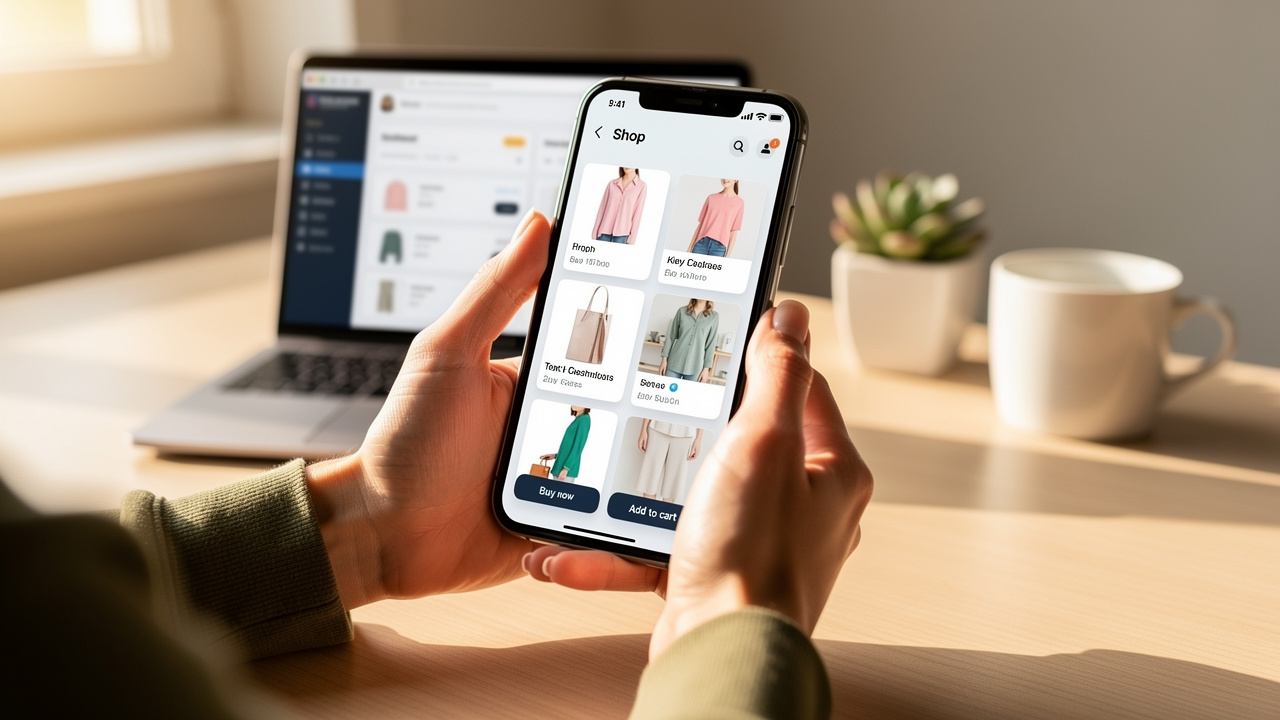
Building an effective cross-channel marketing strategy requires a disciplined, phased approach that ensures data integrity, team alignment, and measurable results. Follow these six essential steps to create a framework that delivers seamless customer experiences:
1. Audience Mapping and Segmentation
Begin by creating detailed customer profiles that go beyond basic demographics. Map your audience based on:
- Demographics (age, location, income)
- Psychographics (interests, values, lifestyle)
- Behavioral data (purchase history, browsing patterns, email engagement)
- Channel preferences
Use surveys, analytics tools, and CRM data to understand where your customers spend time and how they prefer to interact with brands. Create distinct segments that allow for targeted messaging—a B2B decision-maker requires different content and channels than a millennial consumer shopping for fashion.
2. Channel Selection and Prioritization
Not all channels deserve equal investment. Identify where your target audience actually engages rather than spreading resources thin across every available platform. If your customers primarily shop on mobile devices, prioritize app push notifications and SMS. For B2B audiences, focus on LinkedIn and email.
Analyze your existing channel performance data to identify which platforms drive the highest engagement and conversion rates. Start with two to three core channels and expand as your technical maturity grows, rather than attempting to integrate ten channels simultaneously.
3. Data Unification and Technology Integration
Aggregate all customer data points into a single, accessible platform that provides a 360-degree view of each customer. This includes data from:
- Web analytics
- Social media interactions
- Email engagement
- Purchase history
- Customer service interactions
- In-store visits
Implement a Customer Data Platform (CDP) or integrated marketing automation platform that can “stitch” these disparate data sources into unified customer profiles. Audit your current technology stack to identify overlaps, gaps, and opportunities for consolidation. Ensure your tools can communicate with each other through APIs or native integrations.
4. Message Coordination and Content Development
Develop a centralized content calendar that coordinates messaging across all channels. Ensure that promotional offers, brand messaging, and campaign themes remain consistent while being optimized for each platform’s format and audience expectations.
Implement frequency capping to prevent over-communication—track how often each customer is contacted across all teams to avoid annoying them into unsubscribing. Create platform-specific variations of core messages that maintain brand voice while respecting channel conventions (shorter copy for SMS, visual focus for Instagram, professional tone for LinkedIn).
5. Campaign Execution and Testing
Start small by optimizing specific micro-funnels before tackling the entire customer journey. Focus on high-impact scenarios like:
- Cart abandonment flows
- Welcome sequences for new subscribers
- Re-engagement campaigns for dormant customers
Use A/B testing and multivariate testing to determine which sequence of channels produces the best results. For example, test whether Email → SMS → Social Ad performs better than Social Ad → Email → Web Push Notification.
Use unique tracking URLs and platform-exclusive promo codes (e.g., “FB20” for Facebook, “EM20” for email) to attribute conversions accurately to specific channels.
6. Measurement, Analysis, and Optimization
Implement comprehensive analytics that track customer movement across channels rather than evaluating each platform in isolation. Monitor metrics like:
- Cross-channel conversion paths
- Time between touchpoints
- Channel-assisted conversions
- Customer lifetime value by acquisition channel
Use attribution modeling to understand which channels play supporting roles versus closing roles in the customer journey. Regularly review performance data to identify underperforming sequences and scale high-performing campaigns. Establish a continuous improvement cycle where insights from one campaign inform the strategy for the next.
By following this structured approach, businesses can transition from fragmented multichannel efforts to truly integrated cross-channel marketing that delivers measurable results and superior customer experiences.
Cross-Channel Marketing Examples
Real-world examples demonstrate how businesses across industries successfully implement cross-channel strategies to drive engagement and conversions. These case studies illustrate the practical application of integrated marketing principles:
Fashion E-Commerce: Cart Abandonment Recovery

Brand/Industry: Mid-sized online fashion retailer targeting millennial and Gen Z consumers
Channels Used: Instagram advertising, email marketing, SMS messaging, web push notifications
Strategy: When a user browses products but abandons their cart, the system triggers a coordinated sequence. Within 30 minutes, the customer receives a web push notification offering a 10% discount to complete their purchase. If they don’t convert, an email is sent six hours later featuring the abandoned items with styling suggestions and customer reviews. After 24 hours without conversion, an SMS message delivers a time-sensitive 15% discount code. Finally, retargeted Instagram ads display the exact products the customer viewed, reinforcing the offer across their social feed.
Result: This integrated approach increased cart recovery rates by 34% compared to email-only campaigns, with the SMS touchpoint proving most effective for final conversion. The coordinated sequence generated a 3.2x return on ad spend.
B2B SaaS: Lead Nurturing and Conversion
Brand/Industry: Project management software company targeting marketing directors and team leaders
Channels Used: LinkedIn advertising, email automation, retargeting display ads, personalized sales outreach
Strategy: The company promotes a comprehensive whitepaper on “Remote Team Productivity” through sponsored LinkedIn content. When prospects download the resource, they enter an automated nurture sequence. The first email delivers the whitepaper with additional related resources. Three days later, a second email invites them to an exclusive webinar featuring industry experts. Simultaneously, retargeting display ads appear across professional websites the prospect visits, reinforcing the brand message. After webinar attendance (or non-attendance), a sales representative reaches out with personalized insights based on which whitepaper sections the lead engaged with most, as tracked through the platform.
Result: This cross-channel approach increased qualified lead generation by 47% and shortened the sales cycle by an average of 12 days. The combination of educational content, social proof through webinars, and personalized outreach created a 28% increase in demo requests.
Telecommunications: Customer Retention and Upselling
Brand/Industry: Regional mobile service provider targeting existing customers for plan upgrades
Channels Used: SMS messaging, email, mobile app push notifications, in-store promotions
Strategy: The provider analyzes customer data usage patterns to identify users approaching their plan limits. These customers receive a personalized SMS message alerting them to their usage and offering a limited-time upgrade discount. The message includes a link to a mobile app landing page where customers can review their options. If they don’t upgrade within 48 hours, an email provides a detailed comparison of plan options with testimonials from similar customers who upgraded. In-app push notifications remind users of the expiring offer, and customers who visit physical stores receive the same promotional pricing, with staff able to access their digital interaction history.
Result: The integrated campaign achieved a 22% upgrade conversion rate, significantly higher than the 8% rate from email-only campaigns. Customer satisfaction scores increased due to the proactive, helpful nature of the communications.
Retail: Omnichannel Loyalty Program
Brand/Industry: National department store chain with both physical locations and e-commerce presence
Channels Used: Mobile app, email, in-store digital displays, SMS, direct mail
Strategy: The retailer launches a seasonal sale exclusively for loyalty members. Local members receive in-app push notifications about in-store events with exclusive early access hours. These notifications are followed by email messages featuring digital coupons that can be scanned at register or applied online. Customers who browse products online but don’t purchase receive SMS reminders about the sale with personalized product recommendations based on their browsing history. In-store, digital displays recognize loyalty members through their app and display personalized offers. Post-purchase, customers receive direct mail catalogs featuring products complementary to their recent purchases, with QR codes linking back to the mobile app.
Result: The campaign generated a 31% increase in loyalty program engagement and a 19% lift in average transaction value. The seamless integration between online and offline channels created a 41% increase in cross-channel shopping behavior, with customers who engaged across multiple touchpoints spending 2.7x more than single-channel customers.
These examples demonstrate that successful cross-channel marketing requires careful coordination, data integration, and a deep understanding of customer behavior across platforms. The key is creating a connected experience where each channel reinforces the others while respecting the characteristics and user expectations of each platform.
Benefits of a Unified Strategy

A unified cross-channel marketing strategy delivers substantial benefits that extend far beyond enhanced customer experience. At its core, this approach cultivates brand consistency, which is fundamental to establishing trust and recognition among consumers. When customers encounter coherent messaging across various channels, their confidence in your brand deepens, leading to increased loyalty and long-term relationships.
Research demonstrates that consistent brand presentation across all platforms can increase revenue by up to 23%. This consistency builds reliability—when a customer sees the same brand voice, visual identity, and value proposition on Google as they do on Instagram or in email communications, it reinforces authenticity and professionalism.
A unified approach significantly enhances audience engagement. Coordinated campaigns capitalize on the strengths of each channel, creating a cohesive narrative that resonates with target demographics. This campaign synergy prompts consumers to engage with your brand more meaningfully, increasing interaction rates and encouraging advocacy. When channels work together rather than competing for attention, the cumulative effect amplifies reach and impact.
Data alignment represents another critical advantage of unified strategies. By integrating insights from multiple touchpoints, marketers achieve a holistic view of consumer behavior. This comprehensive understanding allows for more targeted and effective communications, ensuring messages are tailored to meet the specific needs of diverse audience segments. Rather than relying on isolated metrics from individual platforms, marketers can identify exactly which content drives conversions and where customers drop off in the funnel.
Modern consumers demand personalization—72% only engage with personalized messaging, and 91% are more likely to shop with brands that provide relevant recommendations. Cross-channel data enables “mass personalization,” delivering the right offer at the precise moment of need based on comprehensive behavioral insights.
Message cohesion across channels strengthens the overall impact of marketing efforts. A consistent message not only captures attention but also reinforces your value proposition, making it more memorable. This repetition across touchpoints creates the seven or more brand interactions typically required before purchase decisions.
A unified marketing strategy benefits both the brand and the customer. It fosters an enriching experience where individuals feel understood and valued. Embracing this approach enables brands to connect with their audience on deeper levels and realize the full potential of their marketing initiatives while maximizing return on investment through optimized budget allocation across high-performing channels.
Key Elements of Integration
Successful cross-channel integration hinges on several fundamental elements that work together to create a cohesive marketing strategy. First and foremost is audience targeting—understanding your audience’s preferences, behaviors, and patterns across various platforms is essential for tailoring messages that resonate. This requires comprehensive customer research and segmentation based on demographics, psychographics, geographic location, and behavioral data.
Aligning this insight with content consistency ensures that brand messaging remains unified, regardless of the channel. This uniformity fosters trust and recognition among consumers, enhancing the overall campaign’s impact. Whether a customer encounters your brand on social media, through email, or on your website, the core message, visual identity, and value proposition should remain consistent while being optimized for each platform’s characteristics.
Data synchronization represents another critical element, allowing marketers to seamlessly track customer interactions and preferences across all touchpoints. By integrating data from disparate sources—online stores, CRM systems, social media platforms, and physical locations—businesses create a holistic view of their customers. This “stitching together” of data into unified customer profiles enables more informed decision-making and personalized outreach. Advanced Customer Data Platforms (CDPs) facilitate this unification, breaking down the data silos that plague many organizations.
Technology alignment is equally important. Selecting the right tools and platforms not only supports operational efficiency but also empowers a flexible approach to responding to consumer needs in real time. Many organizations suffer from “tech silos” where different teams use different tools—one platform for SMS, another for email, and yet another for social media. Moving toward integrated marketing suites or CDPs that allow real-time communication between different marketing functions eliminates these inefficiencies.
Campaign coordination is fundamental for orchestrating efforts across multiple channels. This involves harmonizing timelines, messaging, and promotional activities to create a synchronized brand experience. Without coordination, customers might receive a 50% discount via email and a 20% discount via SMS on the same day, creating confusion and eroding trust. Centralized campaign management tools ensure “frequency capping” and content synchronization, preventing over-communication while maintaining consistent offers across all touchpoints.
Together, these elements—audience targeting, content consistency, data synchronization, technology alignment, and campaign coordination—form the foundation of effective cross-channel integration. When properly implemented, they enable brands to deliver the seamless, personalized experiences that modern consumers expect while maximizing marketing efficiency and return on investment.
Challenges in Implementation
Navigating the complexities of cross-channel marketing presents significant challenges that can impede successful implementation. Understanding these obstacles is the first step toward overcoming them and creating truly integrated marketing experiences.
One of the most formidable obstacles is the prevalence of data silos. When customer data remains isolated within departments or platforms, it inhibits the ability to gain holistic insights into the customer journey, obstructing the seamless interaction that cross-channel integration seeks to achieve. For example, the email marketing team might have detailed engagement metrics while the social media team tracks entirely separate interactions, with neither group having visibility into the other’s data. Without comprehensive visibility across channels, marketers cannot create cohesive strategies that resonate with their audience or understand the true path to conversion.
Resource allocation poses another notable challenge. Organizations frequently struggle to distribute marketing budgets effectively across various channels, which can lead to an unbalanced approach that sacrifices the potential for a synchronized user experience. This misallocation often stems from legacy thinking where budgets are assigned by channel rather than by customer journey stage. Teams may compete for resources rather than collaborating toward unified goals, further exacerbating the difficulty of integrating efforts and achieving a unified brand voice.
Technology barriers, including outdated systems and insufficient tools, complicate cross-channel implementation considerably. Marketers need platforms that facilitate real-time data sharing and analytics capabilities, yet many organizations remain hindered by legacy systems that prevent agile decision-making. As technology stacks grow, so does the risk of inefficiency and vulnerability. Companies might use six to ten different tools to manage their digital presence, with each tool operating independently and requiring manual data transfer or reconciliation. Moving toward Customer Data Platforms (CDPs) or integrated marketing suites becomes essential but requires significant investment and organizational change management.
Team collaboration represents a critical yet often overlooked challenge. Departments must work in concert to ensure that messaging aligns and that insights are shared freely across the organization. The absence of effective teamwork leads to fragmented approaches that detract from the overall customer experience. When the email team doesn’t communicate with the social media team, customers receive redundant or conflicting messages—perhaps a 50% discount via email and a 20% discount on social media simultaneously. This inconsistency erodes trust and creates confusion about the brand’s reliability.
Cultural resistance to change also impedes integration efforts. Teams accustomed to working in silos may resist new processes that require cross-functional collaboration. Individual channel specialists might fear losing autonomy or relevance as organizations move toward integrated approaches. Overcoming this resistance requires leadership commitment, clear communication about the benefits of integration, and potentially restructuring teams around customer journeys rather than channels.
Addressing these challenges requires a strategic mindset, a commitment to resource optimization, and a concerted effort to break down silos. Organizations must invest in both technology and training, fostering a culture of collaboration where teams share data, insights, and goals — and understanding why 40% of AI integration projects fail can help teams proactively avoid the most common implementation pitfalls. By acknowledging these obstacles and proactively working to overcome them, businesses can successfully navigate the intricate requirements of cross-channel marketing and deliver the seamless experiences that modern consumers expect.
Measuring Success of Integration

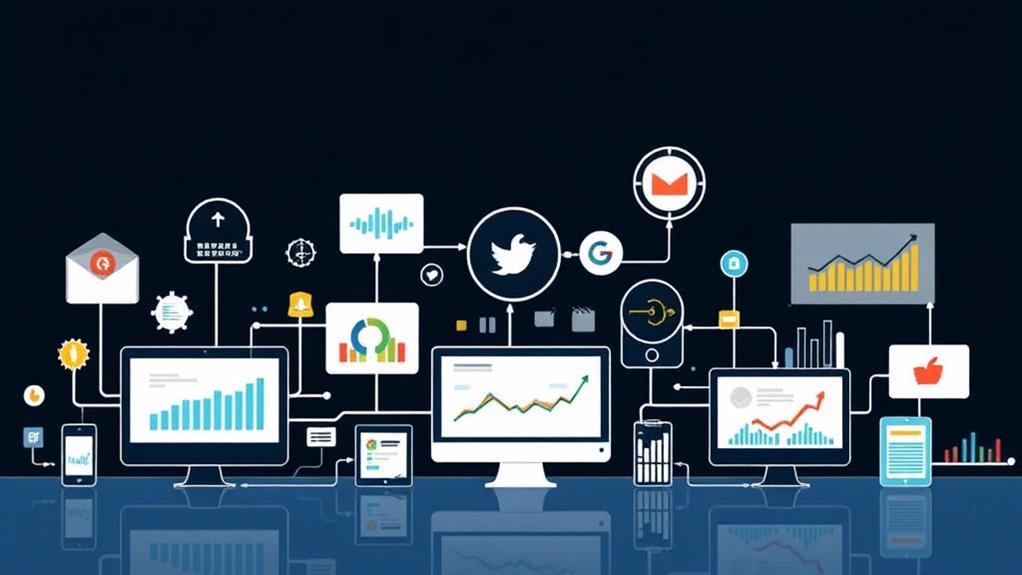
Successful cross-channel integration hinges not only on overcoming implementation challenges but also on establishing clear metrics to measure its effectiveness. To harness the full potential of your marketing efforts, businesses must focus on performance metrics that provide actionable insights. Without data-driven evaluation, it becomes easy to overlook critical elements that reflect true customer engagement and conversion performance.
An effective strategy for measuring the success of integration requires moving beyond single-channel metrics to understand how channels work together throughout the customer journey. Traditional analytics that evaluate each platform in isolation fail to capture the synergistic effects of coordinated campaigns.
Data Analysis and Attribution Modeling
Regularly review data from all channels to identify patterns and customer behaviors, utilizing advanced analytics tools to gather meaningful insights. Implement multi-touch attribution models that credit each touchpoint appropriately rather than assigning all value to the last click. This reveals which channels play supporting roles in building awareness and consideration versus which channels close sales. For example, social media might excel at initial engagement while email drives final conversions—both deserve credit for their contributions to the overall journey.
ROI Assessment and Budget Optimization
Measure the return on investment from each channel to determine their contribution to overall marketing success, ensuring resources are allocated efficiently. However, evaluate ROI in the context of the entire customer journey rather than in isolation. A channel with lower direct conversion rates might play a critical role in moving customers through the funnel, making it valuable despite appearing less effective when viewed independently. Use platform-exclusive promo codes (e.g., “FB20” for Facebook, “EMAIL20” for email) and unique tracking URLs to attribute conversions accurately to specific touchpoints.
Channel Synergy Evaluation
Assess how well different channels work together by analyzing cross-channel conversion paths. Identify which sequences of touchpoints produce the highest conversion rates and customer lifetime value. For instance, you might discover that customers who engage with Instagram ads, then receive email follow-ups, and finally see retargeted display ads convert at rates 3x higher than those who interact with only one channel. Recognizing these synergies allows you to amplify the effectiveness of marketing efforts by intentionally designing coordinated sequences.
Customer Engagement Metrics
Track engagement across the entire journey rather than within individual channels. Monitor metrics such as:
- Time between touchpoints
- Number of interactions before conversion
- Engagement quality at each stage
Enhanced customer engagement becomes more apparent when viewed holistically, illuminating areas for improvement. Pay attention to drop-off points where customers disengage from the journey, as these indicate opportunities for optimization.
Conversion Path Analysis
Use analytics platforms to visualize the most common paths customers take from awareness to conversion. This reveals which channel combinations work most effectively and identifies unexpected patterns. You might discover that customers who start on mobile devices but convert on desktop require different messaging than those who complete their entire journey on a single device.
Customer Lifetime Value by Acquisition Channel
Measure not just initial conversion rates but the long-term value of customers acquired through different channel combinations. Some channels might attract customers with higher lifetime value, making them more valuable despite potentially higher acquisition costs. This long-term perspective ensures marketing strategies evolve toward sustainable growth rather than short-term gains.
By systematically applying these metrics, marketers can gain a comprehensive understanding of how cross-channel integration drives performance — an approach that mirrors how how an AI-connected visitor experience model uses unified data tracking to optimize engagement across multiple touchpoints. Effective measurement allows for targeted adjustments, ensuring marketing strategies evolve in response to data insights. This analytical approach guarantees that every channel operates efficiently, making strides toward cohesive marketing that frees brands from the confines of traditional methods while fostering sustainable growth and innovation.
Frequently Asked Questions
How Does Cross-Channel Integration Affect Customer Journey Mapping?
Cross-channel integration significantly enhances customer journey mapping by improving journey alignment across various touchpoints. This ensures a cohesive customer experience, as data synchronization facilitates the seamless flow of information across channels. By conducting thorough touchpoint analysis, businesses can identify gaps and optimize interactions, tailoring them to customer preferences. This holistic approach not only elevates the overall customer experience but also empowers organizations to refine their strategies, fostering deeper connections with their audience and creating more accurate representations of how customers actually move through the buying process.
What Tools Can Help With Cross-Channel Integration?
To enhance cross-channel integration effectively, using specialized integration tools and marketing automation software is essential. Platforms such as HubSpot, Salesforce Marketing Cloud, Adobe Experience Cloud, and Zapier facilitate seamless communication between diverse marketing channels, empowering organizations to unify their efforts. These tools enable the synchronization of customer data, automate workflows across platforms, and foster personalized customer experiences at scale. In an increasingly fragmented digital environment, integrating these tools not only streamlines processes but also frees marketers to focus on strategy and creativity, driving engagement and measurable business results.
Are There Specific Industries That Benefit More From Integration?
Certain industries experience particularly significant advantages from cross-channel integration. Retail and e-commerce businesses benefit from coordinating online and offline experiences, allowing customers to browse online and purchase in-store seamlessly. The hospitality industry uses integration to manage bookings across multiple platforms while maintaining consistent pricing and availability. Financial services firms coordinate educational content, product promotions, and customer service across channels to build trust throughout complex decision-making processes. Healthcare organizations integrate appointment reminders, educational content, and patient portals to improve outcomes. These sectors face specific challenges that necessitate seamless customer engagement across multiple platforms, and effective integration benefits them by enhancing marketing alignment, leading to improved customer experiences and increased loyalty.
How to Tailor Messages for Different Channels?
Tailoring messages for different channels involves recognizing the characteristics and preferences of each platform while maintaining message consistency. Effective audience segmentation plays a critical role in this process, allowing marketers to customize content that resonates with specific demographic groups and respects channel-specific user expectations. A nuanced approach empowers brands to engage audiences authentically, ensuring that messaging not only aligns with the platform’s format and conventions but also reflects the diverse needs and desires of each segment. For example, LinkedIn content should maintain a professional tone suitable for B2B audiences, while Instagram messaging can be more visual and casual for consumer brands, fostering deeper connections across all touchpoints.
What Role Does Social Media Play in Cross-Channel Integration?
In the contemporary marketing environment, social media serves as an essential conduit for cross-channel integration. By using social listening tools, brands can gauge audience sentiments and trending topics, thereby tailoring their engagement strategies to resonate across various platforms. Social media not only amplifies brand messages but also facilitates real-time interaction with consumers, fostering a sense of community and enabling immediate feedback. This symbiotic relationship enables businesses to maintain coherent narratives while empowering audiences through authentic engagement, driving greater loyalty, conversion rates, and providing valuable data that informs strategies across all marketing channels.
Conclusion
Cross-channel marketing serves as the cohesive thread that weaves together the fabric of a modern marketing strategy. By synchronizing various channels through data integration, coordinated messaging, and unified customer experiences, organizations can significantly enhance customer satisfaction and bolster brand loyalty. Despite the challenges encountered during implementation—including data silos, technology barriers, and the need for cross-functional collaboration—the benefits of a unified approach are undeniable and measurable.
Looking ahead to the remainder of 2026 and beyond, several transformative trends are reshaping the cross-channel environment. AI-powered personalization is enabling real-time, adaptive messaging that responds instantly to customer behavior and context rather than relying solely on historical data. Machine learning models now predict which channel a customer is most likely to engage with next, allowing marketers to proactively meet customers where they are. First-party data strategies have become paramount as privacy regulations tighten and third-party cookies disappear, making owned data integration across channels more valuable than ever. Advanced cross-channel attribution modeling powered by artificial intelligence is finally solving the long-standing challenge of accurately crediting each touchpoint’s contribution to conversions, enabling more intelligent budget allocation and strategy optimization.
A well-integrated marketing strategy acts as a symphony, where each instrument—whether email, social media, SMS, or in-store experiences—harmonizes to produce a resonant melody that captivates and engages the audience effectively. Organizations that embrace this integrated approach position themselves not just to survive but to thrive in an increasingly competitive marketplace, building lasting relationships with customers who expect seamless, personalized experiences across every interaction with their brand.
Last Updated: July 2026