
How to Brand Management for Parents: 2026 Strategic Guide
To build a brand that resonates with parents and families in 2026, start by understanding their diverse needs through targeted demographic research. Develop authentic messaging that reflects genuine values and creates an emotional connection. Create family-centric content that resonates with daily experiences, emphasizing themes like togetherness and education. Use social proof by showcasing testimonials and engaging trusted influencers to build credibility. Finally, foster community engagement through events and workshops that bring families together. By embracing these strategies, your brand can cultivate loyalty and advocacy among parents, opening doors for deeper connections and meaningful conversations.
Key Takeaways
- Conduct thorough demographic research to understand the needs and preferences of parents and families across different life stages
- Develop authentic messaging that reflects your brand’s core values and resonates with the real, imperfect experiences of parents
- Create family-centric content that addresses diverse challenges and highlights values like togetherness, education, and practical support
- Use social proof through testimonials, user-generated content, and influencer partnerships to build trust and credibility
- Foster community engagement by organizing events and workshops that facilitate connections among parents and offer valuable resources
- Segment your parent audience by generation and child age to tailor messaging and platform strategies effectively
Brand Management Checklist for Parent-Facing Brands
To maintain a competitive brand presence with parents and families, implement these ongoing management tasks:
| Task | Frequency | Purpose |
|---|---|---|
| Content Audit | Quarterly | Review all messaging for authenticity, remove outdated references, ensure representation of diverse family structures |
| Influencer Partnership Review | Bi-monthly | Assess performance of creator collaborations, verify alignment with brand values, identify new authentic voices |
| Parent Feedback Analysis | Monthly | Monitor reviews, social comments, and surveys to identify pain points and opportunities |
| Competitor SERP Analysis | Quarterly | Track what competing brands are doing, identify content gaps, adjust SEO strategy |
| Messaging Refresh Triggers | As needed | Update messaging when: major social shifts occur, new research emerges, product lines change, or engagement drops |
| Platform Performance Review | Monthly | Analyze which channels drive engagement and conversions, adjust budget allocation accordingly |
| Safety & Certification Updates | Ongoing | Ensure all product claims remain current, update certifications, maintain transparency documentation |
Understand Your Audience


To effectively build a brand that resonates with parents and families, it is necessary to thoroughly understand the diverse needs and preferences of this audience. This understanding begins with rigorous demographic research, which enables brands to gather valuable insights into the characteristics, behaviors, and motivations of parents and families.
Modern parents are not a monolithic group. According to the 2026 Moonbug “State of Parenthood” research, 41% of parents feel no brand truly reflects their emotional experience, and 47% feel unseen by the media. This empathy gap represents a significant opportunity for brands willing to invest in genuine understanding. By employing techniques such as surveys, interviews, and focus groups, brands can capture essential data that informs their strategic approach.
Audience segmentation is a key component of this research process. By categorizing the audience into distinct segments based on factors such as age, income, lifestyle, and parental status, brands can tailor their offerings to meet specific needs. For instance, a brand targeting new parents may emphasize products that guarantee safety and convenience, while a brand aimed at families with older children might focus on educational value and engagement. This granular approach allows for more effective communication and marketing strategies, strengthening brand relevance and appeal.
Understanding that 52% of parents describe their daily life as a constant “firefight” means your brand messaging must be simple, solution-oriented, and immediately actionable. Parents don’t have time for complex narratives or lengthy explanations—they need to understand your value proposition within seconds.
“Parents are making decisions that directly impact their children’s well-being, making them professional skeptics who demand verifiable claims and transparent communication.”
Moreover, understanding audience segmentation enables brands to anticipate shifting trends and preferences within the family demographic. By continuously analyzing data and monitoring changes in consumer behavior, brands can adapt and evolve their messaging and product offerings to maintain resonance and foster loyalty.
Parent Audience Segmentation: Tailoring Strategy by Generation
Effective brand management for parents requires recognizing that different generations of parents have distinct preferences, behaviors, and media consumption habits. A one-size-fits-all approach will fail to resonate with the diverse parent demographic.
Millennial Parents (Born 1981-1996)
Millennial parents, now raising children from infants to teenagers, represent the largest parent demographic. According to Finalsite research, 84% of Millennials distrust traditional advertising, making authenticity paramount.
Platform Preferences: Instagram, TikTok, YouTube, parenting blogs, and Reddit communities
Messaging Tone: Conversational, transparent, and value-driven. Millennial parents respond to brands that acknowledge imperfection and provide practical solutions. They prioritize sustainability, social responsibility, and brands that align with their personal values.
Content Strategy: Short-form video content, user-generated testimonials, educational resources, and behind-the-scenes brand storytelling work best. Avoid corporate jargon and hard-sell tactics—focus on building relationships through consistent, helpful content.
Gen X Parents (Born 1965-1980)
Gen X parents often have older children and teenagers, bringing different concerns around independence, digital safety, and preparing for college.
Platform Preferences: Facebook, email newsletters, LinkedIn, and traditional websites with robust information
Messaging Tone: Direct, informative, and results-oriented. Gen X parents appreciate efficiency and clear value propositions. They’re more receptive to expert opinions and data-backed claims than peer recommendations alone.
Content Strategy: Long-form articles, detailed product comparisons, expert interviews, and comprehensive guides. This generation values depth over brevity and appreciates brands that respect their intelligence and time.
Parents of Gen Alpha Children (Born 2010-2024)
Parents raising Gen Alpha children face challenges around screen time, digital literacy, and preparing children for a rapidly changing world.
Platform Preferences: TikTok, Instagram Reels, Connected TV (CTV), and mobile-first platforms
Messaging Tone: Future-focused, tech-savvy, and education-oriented. These parents want brands that help them prepare their children for tomorrow’s challenges while maintaining childhood joy and creativity.
Content Strategy: Interactive content, AI-powered personalization, educational partnerships, and content that bridges digital and physical experiences. Emphasize how your brand supports both child development and parental peace of mind.
Develop Authentic Messaging

Understanding the diverse needs of parents and families is a foundational step, but crafting authentic messaging that truly resonates with this audience is equally important. Authentic messaging goes beyond mere marketing jargon; it reflects the genuine values and beliefs of your brand. Parents today are discerning consumers, often seeking brands that align with their own values, making it essential to articulate your brand values clearly and compellingly.
To develop authentic messaging, start by identifying the core values that define your brand. These values should resonate with the experiences and challenges faced by parents and families. By aligning your messaging with these values, you create a foundation for an emotional connection that fosters loyalty and trust.
Emotional connection is vital, as parents are more likely to engage with brands that they perceive as understanding their realities and aspirations. Real-world examples demonstrate this principle:
- Dove’s “Real Beauty” campaign resonated with parents by celebrating authentic, unretouched images of diverse families
- LEGO’s commitment to educational play and creativity speaks to parents’ desire to provide developmental value
- Patagonia’s environmental activism aligns with parents’ concerns about the world they’re leaving for their children
Moreover, authenticity stems from transparency. Share stories that illustrate your brand’s path, the people behind it, and the impact you aim to achieve. This narrative not only humanizes your brand but also invites parents to become part of a shared community. When 63% of parents want to see representation of real, messy moments in brand storytelling, your willingness to show imperfection becomes a competitive advantage.
Additionally, actively listen to your audience; their feedback can provide invaluable insights that refine your messaging and strengthen your brand’s resonance. Implement regular feedback loops through:
- Surveys and questionnaires
- Social media monitoring
- Direct customer conversations
- Review analysis
This ongoing dialogue ensures your messaging remains relevant and authentic as parental needs evolve.
“Avoid the ‘Pinterest-perfect’ trap that alienates modern parents. Instead, acknowledge the reality of tantrums in grocery aisles, messy kitchens, and the genuine struggles of child-rearing.”
When your brand positions itself as an ally rather than a judge, you build the trust necessary for long-term loyalty.
Create Family-Centric Content


In crafting a brand that resonates with parents and families, creating family-centric content is essential for fostering engagement and connection. This approach not only aligns with the core values of family-oriented audiences but also positions the brand as a relatable and trustworthy resource.
To effectively engage this demographic, it is vital to identify and develop content themes that reflect the diverse experiences and challenges faced by families today. Family values such as togetherness, education, health, and well-being should underpin all content initiatives. By weaving these themes into articles, videos, and social media posts, brands can resonate deeply with parents who prioritize these aspects in their daily lives.
For instance, content that offers practical parenting tips, activities to promote family bonding, or advice on navigating modern challenges can build a loyal following. Consider creating content hubs that serve as ongoing resources:
- Downloadable meal plans
- Developmental checklists
- Activity sheets
- Age-appropriate educational guides
These “micro-support” offerings provide immediate utility and position your brand as a helpful ally rather than just another vendor.
The tone and style of family-centric content should be approachable yet informative. It is important to create a narrative that speaks to the aspirations and concerns of parents while providing actionable insights. Engaging stories, relatable scenarios, and expert opinions can build credibility and foster a sense of community among readers.
Video content deserves special attention in your content strategy. Parents respond particularly well to video because it’s emotionally engaging and time-efficient. Short-form content on TikTok and Instagram Reels can demonstrate product benefits in under 60 seconds, while educational explainer videos build trust by teaching skills (like “How to install a car seat in 3 steps”) while subtly featuring your product. Authentic user-generated content often outperforms high-production studio ads because it feels more relatable and trustworthy.
Remember that parents have limited cognitive bandwidth. Present information in easy-to-digest formats like:
- Bullet points
- Infographics
- Step-by-step guides
- Quick reference charts
Avoid industry jargon and information overload—get to the bottom line quickly: How does this save time? How does this keep children safe? How does this make parenting easier?
Common Brand Management Mistakes for Parent-Facing Brands
Even established brands often fall into traps that alienate parent consumers. Understanding these pitfalls is necessary for maintaining a positive brand reputation and competitive position.
Using Stereotyped Parent Personas
Relying on outdated stereotypes—the “soccer mom,” the “absent dad,” or the “perfect Pinterest parent”—creates messaging that feels performative and out of touch. Modern families are diverse: single parents, LGBTQ+ families, blended households, caregivers with disabilities, and multi-generational living arrangements all deserve representation. Brands that fail to acknowledge this diversity risk appearing exclusive and outdated.
Ignoring Generational Differences
Treating all parents as a monolithic group ignores the significant differences in values, media consumption, and purchasing behavior between Millennial, Gen X, and younger parents. A messaging strategy that works for Gen X parents on Facebook will likely fail with Millennial parents on TikTok. Segment your approach by generation and life stage for maximum effectiveness.
Over-Relying on Hard-Sell Tactics
Research shows that 65% of parents hold a negative opinion of companies that use aggressive, high-pressure sales tactics, especially those directed at children. The modern parent responds better to the “soft-sell” approach: educational content, value-neutral language, and positioning your brand as a resource rather than just a vendor. Brands that provide utility before asking for a purchase build stronger, longer-lasting relationships.
Failing to Address the Empathy Gap
When 41% of parents feel no brand truly reflects their emotional experience, there’s a clear opportunity to differentiate through empathy. Brands that over-sanitize reality—showing only smiling, clean children in pristine homes—feel alienating. Parents want to see the mess, the tantrums, and the genuine struggles acknowledged. Brands that “embrace the mess” and validate the parenting experience build deeper connections.
Information Overload and Complexity
Parents operating in a constant “firefight” don’t have time for dense paragraphs, complex checkout processes, or unclear value propositions. Slow-loading websites, complicated navigation, and lengthy explanations are dealbreakers. Simplify everything: your messaging, your user experience, and your customer path.
Neglecting Mobile Optimization
With parents frequently managing household logistics from smartphones, a non-mobile-friendly experience is unacceptable. If your checkout process, resource downloads, or content aren’t optimized for mobile, you’ll lose customers immediately. Ensure seamless mobile experiences across all touchpoints.
Ignoring the Decision-Maker
Some brands focus so heavily on child-friendly colors and characters that they forget to address the parent’s concerns. Even if a product is for a child, the brand message must reassure the adult behind the wallet. Balance child appeal with parent reassurance, emphasizing safety, value, and developmental benefits alongside fun and engagement.
Leverage Social Proof
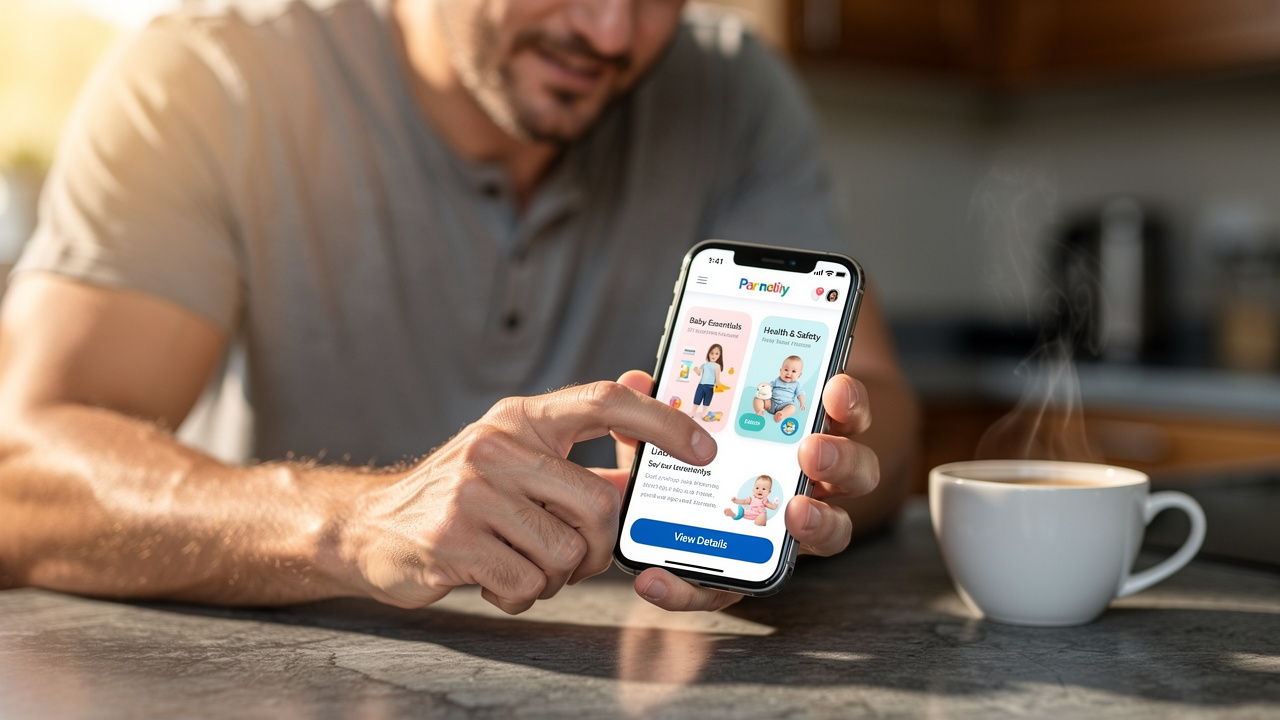
Building on the foundation of family-centric content, using social proof emerges as a powerful strategy to build brand credibility and foster trust among parents and families. In a market saturated with choices, parents often rely on the experiences of others to guide their purchasing decisions. By highlighting customer testimonials and forging influencer partnerships, brands can effectively demonstrate their value and authenticity.
To maximize the impact of social proof, consider implementing the following strategies:
Showcase Customer Testimonials: Curate authentic feedback from satisfied customers, emphasizing their positive experiences and the benefits of your products or services. Video testimonials featuring real parents in real environments are particularly effective—unscripted, genuine reactions resonate more than polished studio productions.
Engage Influencer Partnerships: Collaborate with trusted influencers who resonate with your target audience. Move away from “perfect” influencers toward those who share the realities of parenting. These creators have built-in trust and loyal followings. Their endorsements can significantly increase your brand’s visibility and credibility, especially when they genuinely use and believe in your products.
Utilize User-Generated Content: Encourage parents to share their own stories and experiences with your brand on social media. This not only builds community but also serves as compelling social proof. Create branded hashtags, run contests, or feature customer photos in your marketing materials. When parents see other families like theirs using your products, it validates their potential purchase decision.
Highlight Awards and Certifications: If applicable, display any accolades or industry certifications your brand has received. Safety certifications, quality awards, and third-party endorsements reinforce your credibility and assure parents that they are making informed choices. In a demographic where purchasing decisions directly impact children’s well-being, verifiable claims matter immensely.
“Parents trust other parents more than they trust corporate logos. When 40% of parents become vocal advocates after feeling seen by a brand, creating opportunities for this advocacy through referral programs, parent hubs, or community forums can multiply your marketing effectiveness organically — a dynamic further supported by 2026 data showing AI Agents Small Business deployments significantly boosting revenue when built around community trust signals.”
Foster Community Engagement


Creating a vibrant community around your brand can greatly strengthen parental engagement and loyalty. When parents feel connected to a brand on a deeper level, they are more likely to advocate for it within their social circles. To cultivate this connection, brands should strategically organize community events and family workshops that resonate with their target audience.
Community events serve as a platform for parents to interact with each other and with the brand, fostering relationships built on shared experiences and values. These gatherings not only provide opportunities for networking but also allow parents to engage directly with brand representatives, thereby humanizing the brand and building trust. By hosting events that cater specifically to families—such as playdates, educational seminars, seasonal celebrations, or developmental milestone workshops—brands can create a sense of belonging that parents actively seek.
Family workshops further solidify this engagement by offering tangible value. These workshops can focus on topics such as:
- Parenting techniques
- Child development
- Nutrition
- Digital safety
- Creative activities that parents can enjoy with their children
By positioning your brand as an educational resource and community hub, you move beyond transactional relationships into meaningful partnerships with families.
Consider creating both in-person and virtual community spaces. Online forums, Facebook groups, or branded apps can facilitate ongoing connection between events. These digital communities allow parents to share experiences, ask questions, and support one another, with your brand serving as the facilitator and trusted resource.
The “Parent Hub” concept—exemplified by initiatives like CoComelon’s “CoComelon Can Help”—demonstrates the power of positioning your brand as a utility in parents’ lives rather than just a product provider. By offering consistent support, valuable resources, and genuine community connection, you change customers into brand advocates who voluntarily promote your offerings within their networks.
Remember that community engagement is an ongoing commitment, not a one-time marketing campaign. Consistency in showing up for your parent audience, listening to their needs, and adapting your offerings accordingly builds the long-term loyalty that drives sustainable business growth.
Frequently Asked Questions
How Do I Identify My Target Audience’s Needs and Preferences?
Identifying your target audience’s needs and preferences requires a thorough demographic analysis. By examining variables such as age, gender, income, lifestyle, and parental status, you can uncover insights that drive engagement. Additionally, fostering an emotional connection through qualitative research—such as focus groups or surveys—can reveal deeper motivations and desires.
For parent audiences specifically, consider conducting research at different life stages: new parents have vastly different needs than parents of teenagers. Use social listening tools to monitor conversations in parenting forums and social media groups. This dual approach ensures a deep understanding of your audience, enabling you to tailor offerings that resonate profoundly and effectively address their specific needs and preferences.
What Platforms Are Best for Reaching Parents and Families?
The best platforms for reaching parents depend on your target generation. Millennial parents are highly active on Instagram, TikTok, and YouTube, with 84% distrusting traditional advertising and preferring authentic, peer-driven content. Gen X parents respond better to Facebook, email newsletters, and comprehensive websites with detailed information.
To effectively reach parents and families, brands should use social media platforms, parenting blogs, and online forums to foster community engagement. Collaborating with family influencers can amplify messaging, creating authentic connections. Strategic use of these channels not only strengthens visibility but also cultivates trust, leading to stronger brand loyalty within this discerning demographic. Mobile optimization is non-negotiable across all platforms, as parents frequently manage decisions on smartphones while multitasking.
How Can I Measure the Effectiveness of My Branding Efforts?
Measuring the effectiveness of branding efforts involves analyzing brand perception and engagement metrics. Start by utilizing surveys and focus groups to assess consumer attitudes toward your brand, specifically tracking whether parents feel “seen” and understood by your messaging.
Additionally, monitor key performance indicators such as:
- Social media engagement rates
- Website traffic
- Conversion rates
- Customer lifetime value
Track sentiment in reviews and comments to gauge emotional connection. For parent-facing brands, pay special attention to metrics like referral rates and user-generated content volume, as these indicate whether parents are becoming brand advocates. Quarterly content audits and competitor analysis help ensure your brand remains competitive and relevant.
What Are Common Mistakes to Avoid in Family Branding?
In the intricate tapestry of branding, certain missteps can unravel authenticity and diminish emotional connection. Common pitfalls include neglecting to align brand values with consumer expectations, resulting in a dissonance that alienates families.
Specific mistakes to avoid include:
- Using stereotyped parent personas instead of representing diverse family structures
- Ignoring generational differences in messaging and platform preferences
- Over-relying on hard-sell tactics when 65% of parents respond negatively to aggressive sales approaches
- Failing to address the empathy gap by over-sanitizing reality
- Creating information overload with complex messaging
- Neglecting mobile optimization
Avoiding these miscalculations is vital; brands must cultivate genuine relationships, fostering loyalty through shared values and heartfelt engagement.
How Often Should I Update My Brand Messaging?
Updating brand messaging is essential for maintaining relevance and connection with your audience. Implementing robust brand evolution strategies ensures adaptability to market changes while preserving messaging consistency importance.
For parent-facing brands, conduct quarterly reviews to assess whether your messaging still resonates with current parental concerns and cultural trends. Immediate updates are necessary when:
- Major social shifts occur (like changes in schooling or health guidelines)
- New research emerges about parenting or child development
- Your product lines change significantly
- Engagement metrics drop
This proactive approach not only strengthens brand loyalty but also positions your brand as a forward-thinking leader, strengthening its resonance and impact within the marketplace. Monthly feedback analysis and bi-monthly influencer partnership reviews help identify when messaging adjustments are needed.
Conclusion
In the intricate tapestry of brand building for parents in 2026, the threads of audience understanding, authentic messaging, and community engagement weave together to form a resilient fabric that resonates with families. Much like a nurturing garden, where diverse plants flourish through care and attention, a brand thrives by cultivating genuine connections and responding to the needs of its audience.
The data is clear: with 41% of parents feeling unseen by brands and 84% of Millennials distrusting traditional advertising, the opportunity for brands willing to bridge the empathy gap has never been greater. By acknowledging the reality of parenting—the mess, the struggles, the constant firefight of daily life—and positioning your brand as a supportive ally rather than a judgmental authority, you create the foundation for lasting loyalty.
Successful brand management for parents requires moving beyond transactional relationships to become a trusted resource in the family path. Whether through educational content, community hubs, authentic influencer partnerships, or simply messaging that validates the parenting experience, brands that provide genuine utility earn their place in parents’ lives.
The essence of successful branding lies not in mere promotion, but in fostering an enduring relationship rooted in empathy and trust. As you implement the strategies outlined in this guide—from generational segmentation to avoiding common pitfalls—remember that parents are seeking partners, not vendors. Brands that embrace this truth will not only survive but thrive in the competitive family market of 2026 and beyond.