Scent Branding: Design a Signature Fragrance (2026)
Learn how scent branding works, what sets it apart from scent marketing, and how to roll out a data-backed fragrance strategy in 2026 using practical steps, real case studies, and current market insights.
Scent branding gives your brand a recognizable “smell identity” in the same way your logo gives it a visual identity. For small and medium-sized businesses, nonprofit organizations, and marketing teams, a well-planned scent branding program can increase dwell time, lift sales, and strengthen emotional ties with customers.
Research in consumer neuroscience continues to show that smell links directly to memory and emotion. Combined with steady growth forecasts for scent marketing through 2025–2026, that makes scent branding a serious consideration for any business with physical touchpoints—from hotels and retailers to gyms, spas, and car dealerships.
Key Takeaways
- Scent branding creates an “olfactory logo” for your brand: a consistent, recognizable fragrance that customers associate with your spaces, products, and experiences.
- Smell connects directly to the limbic system, the part of the brain involved in memory and emotion, which is why scent branding can strongly influence how customers feel and what they remember.
- Industry research shows that scent marketing programs can produce higher customer satisfaction, longer dwell time, and sales lifts in the ranges reported by providers such as ScentAir and studies cited in Brand Sense (with uplifts from around 10% to 30% in controlled tests).
- Hospitality, retail, wellness and spa, automotive, fitness, and entertainment brands all use scent branding to differentiate experiences without needing massive advertising budgets.
- A structured scent branding plan covers eight steps: auditing your space, defining emotional goals, choosing a scent profile, testing, selecting diffusion methods, rolling out consistently, and measuring results.
- Diffusion options—HVAC systems, standalone cold-air diffusers, and scented retail products—each serve different business models and budgets.
- Market reports published before 2024 projected that the global scent marketing sector would reach low‑single‑digit billions of US dollars by 2025–2026, with double‑digit compound growth in many regions.
- As scent marketing spending grows worldwide through 2025–2026, brands that move early on scent branding gain a memory-level edge over competitors.
What Is Scent Branding?
Scent branding is the practice of designing and consistently using a signature fragrance that expresses your brand’s personality and values. It turns smell into a strategic brand asset, not just a way to cover up odors.
A scent used for scent branding is:
- Intentional – chosen to match brand attributes (e.g., calm, energetic, luxurious).
- Consistent – present across key locations and touchpoints.
- Recognizable – distinctive enough that customers can link it to your brand over time.
For a Westin lobby, a Singapore Airlines cabin, or an Abercrombie & Fitch store, the fragrance is not an afterthought. It is part of how guests and shoppers know they are “in the right place” before they even see signage.
Scent Branding Vs. Scent Marketing
Scent branding vs. scent marketing, in one line: scent branding is your signature scent; scent marketing is every planned use of scent to support customer experience and sales.
More precisely:
- Scent branding is the creation and consistent use of a signature fragrance that acts as an olfactory logo for a brand.
- Scent marketing is the broader practice of using scent in any strategic way to influence customer mood, behavior, or perception—including branding, ambient scenting, aroma-based promotions, and odor control.
Put simply:
Scent branding = your specific signature scent.
Scent marketing = every planned use of scent to support marketing or customer experience.
Scent branding usually sits inside a scent marketing program. A business might use its signature fragrance (scent branding) in lobbies and stores, while also using neutralizing scents in restrooms or different aromas for short-term events (scent marketing).
The Science Of Scent And The Brain

Understanding why scent branding works starts with the brain.
The olfactory system (your sense of smell) connects directly to the limbic system, which handles emotion, memory, and motivation. Other senses—sight, sound, touch, and taste—pass through more processing steps before they reach the same area.
This direct wiring explains everyday experiences:
- A whiff of sunscreen that instantly recalls childhood vacations.
- The smell of cinnamon that brings back a grandparent’s kitchen.
- The aroma of jet fuel and cabin fragrance that reminds frequent flyers of a specific airline.
Key data often cited by scent marketing firms and organizations such as the Sense of Smell Institute include:
- Smell is believed to shape a large share of our daily emotional state.
- Humans can recognize thousands of distinct odors.
- People can recall smells with around 65% accuracy after a year, compared with a substantially lower rate for visuals after a few months.
For scent branding, this means a consistent fragrance can “lock in” memories of your service, space, or product far better than visuals alone.
Consumer neuroscience adds more detail:
- fMRI studies show that pleasant scents activate reward-related regions such as the orbitofrontal cortex, which is associated with value judgments and decision-making.
- EEG research finds that congruent ambient scent increases markers linked to engagement and approach behavior when people interact with products or spaces.
- Experiments on willingness to pay suggest that shoppers in pleasantly scented environments accept modestly higher prices for identical products when the aroma fits the context.
“Smell is the sense that is most closely linked to memory,” writes Martin Lindstrom in Brand Sense, highlighting why a signature scent can anchor brand experiences long after a visit ends.
Market Data: Why Scent Branding Matters In 2026
Before 2024, multiple market research firms had already identified scent marketing and ambient scenting as a fast-growing category within sensory marketing and in-store experience design, and recent data on AI Agents Small Business ROI shows a parallel pattern of early adopters capturing outsized gains. Their forecasts pointed to:
- Global market value in the hundreds of millions of US dollars in the early 2020s, with projections that the sector would reach around USD 1–2 billion by 2025–2026.
- Compound annual growth rates often quoted in the 8–15% range, depending on region and segment.
- Strong adoption in hospitality, retail, healthcare, and automotive, where physical experience is central to revenue.
- Repeat spending models (equipment plus fragrance refills and service), which support long-term vendor relationships.
At the same time, advances in consumer neuroscience and behavioral science reinforced the value of scent branding:
- fMRI and EEG studies show that pleasant smells can increase activity in reward-related brain regions and reduce markers of stress.
- Emotional reactions triggered by scent can shape brand preference even when consumers are not actively analyzing the experience.
- Multisensory experiences—brands that use sight, sound, and scent together—tend to score higher on purchase intent and brand recall in controlled experiments.
For US-based small and medium-sized businesses, this means scent branding is no longer reserved for global hotel chains—much like How Microsoft’s 4 New AI models are reshaping workflows that were once only accessible to enterprise-level organizations. Entry-level scent marketing packages now exist for single-location boutiques, fitness studios, spas, and nonprofit spaces.
Industries That Benefit From Scent Branding
Scent branding supports almost any business with a physical environment, but certain verticals see the clearest returns.
Hospitality: Hotels And Resorts
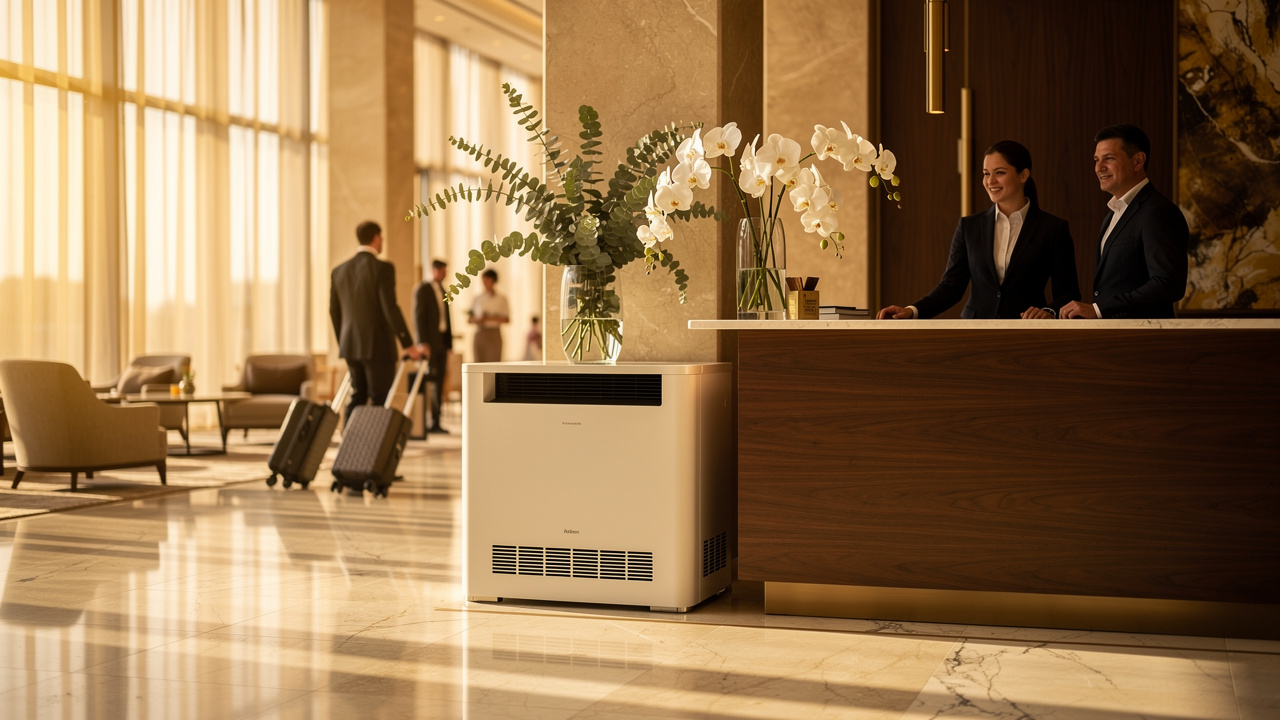
Hotels use scent branding to create a sense of arrival and familiarity, and broader sensory experience strategies—including insights from How an AI-Connected Visitor experience boosts small tourism—show that multisensory engagement drives measurable loyalty gains. Westin Hotels & Resorts is a classic example: its white tea lobby fragrance is now tied so closely to its brand that guests buy matching candles and diffusers to use at home. That ongoing demand hints at strong emotional bonds and repeat-stay intent that go beyond room rates or loyalty points, and hotel scent case studies report higher guest satisfaction and intent to recommend when lobby fragrance is present.
Retail: Fashion, Specialty, And Big Box
Retailers rely on scent branding to extend dwell time and raise product perception. Abercrombie & Fitch made its store fragrance famous; many shoppers still associate its brand with the bold, cologne-forward aroma from its peak mall era. Scent marketing studies in retail settings report higher daily sales, more time spent in-store, and better mood ratings when a pleasant, brand-right fragrance is present, especially in fashion and specialty environments.
Wellness And Spa
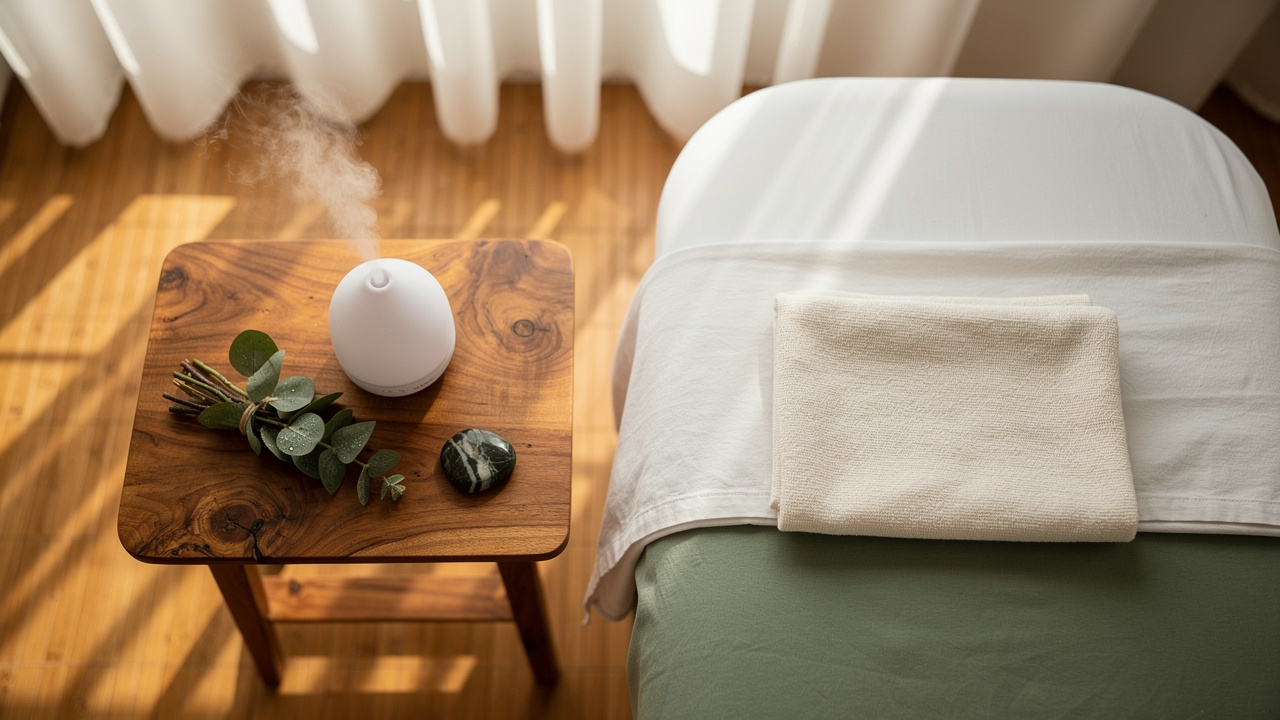
Wellness brands and spa operators care deeply about mood. Aveda-branded salons and spas, for instance, use recognizable botanical aromas across shampoos, oils, and treatment rooms. That consistent scent branding supports a calm, nature-forward image and helps guests link the fragrance to relaxation even outside the spa, which shows up in repeat bookings and stronger attachment to take-home retail products.
Automotive
Car brands and dealerships use scent branding to reinforce luxury, craftsmanship, or performance. Rolls‑Royce, for example, has paid close attention to the combination of natural leather, wood, and subtle fragrance inside its cabins. For dealers selling premium vehicles, a refined interior scent can nudge perceptions of quality and justify higher willingness to pay, especially during test drives and delivery moments when emotions are already strong.
Fitness And Sports Facilities
Gyms and studios need spaces that feel clean and energizing. Chains such as Equinox combine bright, citrus-forward scents with spotless visuals and curated music. This form of scent branding supports member motivation, reduces odor concerns, and helps distinguish high-end clubs from budget competitors, which can improve membership retention and positive word-of-mouth.
Entertainment And Events
Theme parks, cinemas, and event venues use scent marketing to make experiences more memorable. Parks operated by companies like Disney are known for scenting certain attractions and main streets with aromas such as popcorn or baked goods. When those scents match the story of the space, they work as temporary scent branding for that specific zone or ride, strengthening nostalgia and encouraging repeat visits.
Brand Case Studies And Results
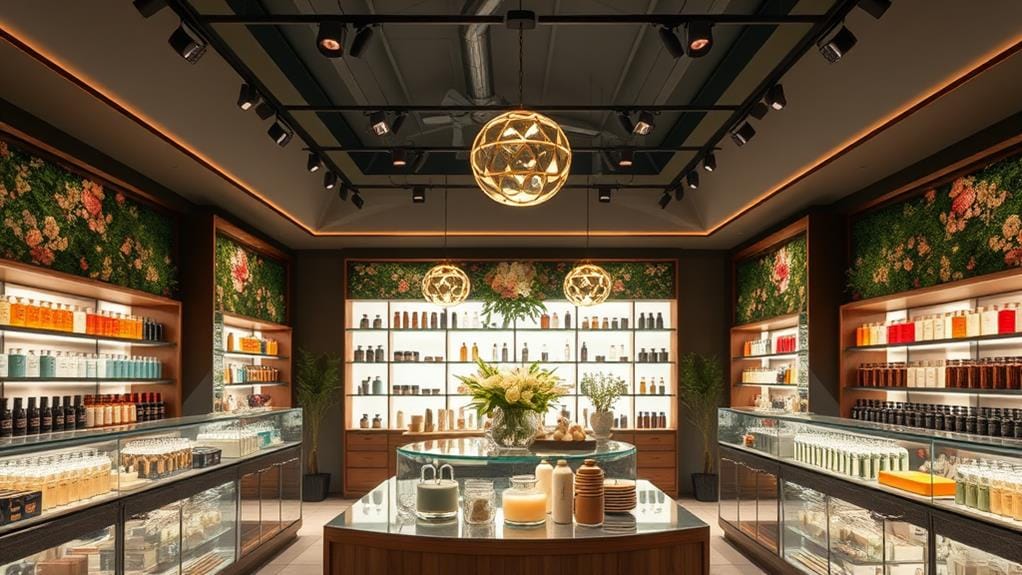
Many well-known brands rely on scent branding as part of their experience strategy. While not every company publishes exact numbers, a mix of public examples and third-party studies paints a clear picture.
Westin Hotels & Resorts
Westin’s white tea signature scent appears in lobbies, corridors, and branded products. Guests often describe the smell as part of the “Westin feeling,” and the hotel group sells candles, diffusers, and room sprays in that fragrance line.
Scent marketing providers working with hotel brands have reported, in hotel environments similar to Westin’s:
- Around 20% lifts in guest satisfaction scores in scent-treated properties.
- Higher intent to recommend and stronger recall of brand name.
- Increased sales of branded home-fragrance products, which extend the scent into guests’ homes.
Westin’s decision to turn its hotel fragrance into a retail line shows how scent branding can create both emotional impact and direct product revenue.
Abercrombie & Fitch
Abercrombie & Fitch used its distinctive cologne-style fragrance across many stores, so customers smelled the brand even before they saw merchandise. The scent aligned with its youth-focused, nightlife-inspired image at the time.
Independent research on scented retail environments (including fashion stores) has found:
- Increases of around 11% in daily retail sales when scent marketing programs are active.
- Longer dwell times and more favorable ratings of store atmosphere.
- In some experiments, shoppers in scented stores showed higher willingness to pay for the same items compared with shoppers in unscented control stores.
Abercrombie’s case illustrates both the strength and the responsibility of scent branding: the aroma can become iconic, but it must match evolving brand positioning and customer expectations.
Singapore Airlines
Singapore Airlines uses a floral, citrus-forward fragrance known as “Stefan Floridian Waters” in its cabins and as a perfume worn by cabin crew. The scent supports impressions of cleanliness, calm, and attentive service.
Academic studies of air travel and cabin environments—though not limited to this specific airline—show that:
- Pleasant cabin scent can improve perceived cleanliness and comfort.
- A distinctive yet subtle fragrance worn by crew can raise perceived professionalism and care.
- Airlines that manage multisensory details well, including scent, tend to score higher in brand preference and loyalty surveys.
Singapore Airlines’ consistently high rankings in customer satisfaction and brand preference highlight how these details reinforce a premium service promise.
Rolls‑Royce
For Rolls‑Royce, scent branding appears in the subtle combination of leather, wood, and controlled interior fragrance. Owners expect a cabin that smells refined, not generic.
Luxury automotive programs using scent marketing report:
- Higher perceived quality of materials when interior scent is pleasant and aligned with brand values.
- Stronger emotional attachment to the vehicle during showroom visits and test drives.
- Better recall of the brand after exposure to a consistent interior fragrance during repeated drives.
By taking cabin scent seriously, Rolls‑Royce supports a sense of craft and exclusivity that price tags alone cannot create.
Wellness And Spa Brand Example: Aveda Spas
Aveda’s spa environments layer plant-based, aromatherapeutic blends across spaces and products. Clients often identify the brand by smell as soon as they walk into a salon.
Wellness and spa facilities that run structured scent branding programs commonly see:
- Increased bookings for relaxation and premium treatments.
- Better ratings for “overall atmosphere” and likelihood to return.
- Higher attachment rates for home-care products that carry the same fragrance profile used in treatment rooms.
Comparison Table: Scent Branding Case Snapshots
The table below summarizes how different brands use scent branding. Numerical ranges come from industry case studies and research; individual brand results may vary and are not always published in detail.
| Brand | Industry | Scent Used | Measured Result* |
|---|---|---|---|
| Westin Hotels & Resorts | Hospitality | White tea lobby and room fragrance | Hotel scent programs similar to Westin’s have reported ~20% higher guest satisfaction scores and stronger intent to recommend. |
| Abercrombie & Fitch | Retail fashion | Bold cologne-style store fragrance | Retail scent case studies show ~11% higher daily sales, longer dwell time, and improved mood ratings in scented stores. |
| Singapore Airlines | Airline | “Stefan Floridian Waters” cabin and crew scent | Air-travel studies link pleasant cabin scent with higher comfort, cleanliness scores, and stronger airline preference. |
| Rolls‑Royce | Automotive | Leather, wood, and subtle interior fragrance | Luxury automotive scent programs report higher perceived material quality and stronger emotional response during test drives. |
| Aveda Spas | Wellness / spa | Botanical, plant‑based aromatherapy blends | Spa scent initiatives are linked with higher ratings for relaxation, atmosphere, and repeat-visit intention. |
*Effects combine brand stories with data from scent marketing providers and academic research; not every figure is tied to a single public brand dataset.
How To Implement Scent Branding Step By Step
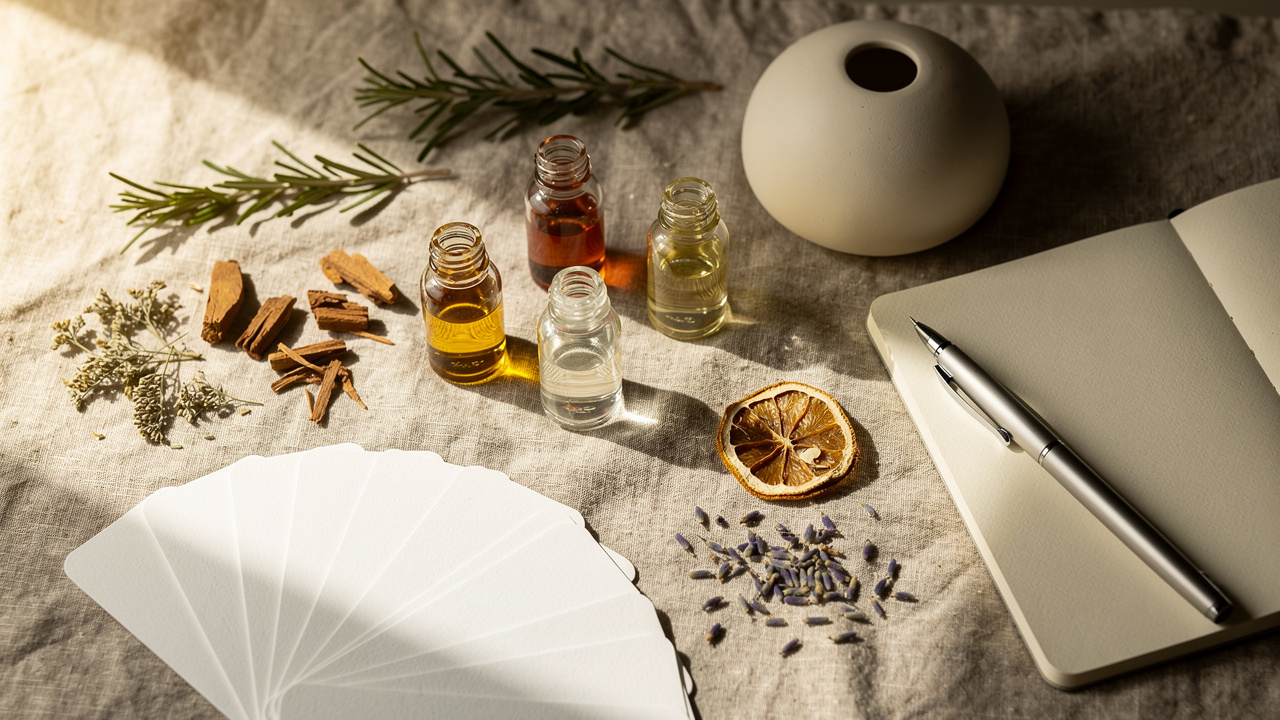

A strong scent branding program follows a clear structure. The steps below work for hotels, retailers, fitness studios, spas, car dealerships, and nonprofit spaces alike.
1. Audit Your Current Environment
Walk through your location the way a guest or customer would and take notes:
- What do entrances, lobbies, treatment rooms, fitting rooms, and restrooms smell like now?
- Are there odor problems (cleaning chemicals, food, humidity)?
- Are there any positive scent cues already present (fresh coffee, natural wood, bakery items)?
- How do smells change by time of day or week?
Document the current state, including times when odors shift.
2. Define Emotional And Brand Goals
Decide what you want people to feel at each stage of their visit. Examples:
- Calm, cared for, and grounded (spa or wellness clinic).
- Energized and confident (fitness studio or sports retailer).
- Comfortable, safe, and welcomed (hotel or senior living community).
- Inspired and curious (museum or experiential retail).
Write 3–5 adjectives that describe your brand personality. These terms will later map to fragrance families (citrus, woods, florals, herbs, etc.) and guide your scent branding choices.
3. Understand Your Audience
Different groups respond differently to scents:
- Younger customers may prefer brighter, sweeter notes.
- Older visitors might favor softer, powdery, or herbal aromas.
- Cultural background can influence preference for spice, incense, or floral profiles.
- Sensitivity levels vary; some guests may be more reactive to strong scents.
Discuss these factors with your team and, if possible, with a scent marketing partner that has experience in your vertical—and consider how resources like How Khan Academy’s AI degree is changing hiring for small teams, making it easier to bring specialized sensory marketing knowledge in-house.
4. Create Or Select Your Signature Scent
You can either:
- Choose from an existing fragrance library that aligns with your brand brief (often faster and more affordable for SMBs).
- Commission a custom fragrance developed specifically for your brand by perfumers working with a scent marketing firm.
For scent branding, focus on:
- Fit with your brand adjectives (e.g., “warm,” “modern,” “natural”).
- Longevity and subtlety—the scent should be noticeable but not overwhelming.
- Compatibility with materials in your space (wood, textiles, leather, food).
5. Test In Real Conditions
Test your proposed scent in a small area before full rollout:
- Run it at different intensities and times of day.
- Gather feedback from staff and a sample of customers.
- Watch for signs of overuse (complaints, headaches, comments about “strong perfume”).
Tip: Start at a lower intensity than you think you need. It is easier to increase output slightly than to repair first impressions of a space that feels over-scented.
Adjust intensity and, if needed, fine-tune the scent blend so it feels natural in your environment.
6. Choose Diffusion Methods And Coverage
Your diffusion method affects consistency, control, and cost. The table below compares three common options for scent branding.
Diffusion Methods Comparison
| Method | Best For | Pros | Cons | Relative Cost Level |
|---|---|---|---|---|
| HVAC Integration | Hotels, large retail, casinos, big offices | Even coverage; hidden hardware; centralized control | Requires access to HVAC system; higher installation expense | $$ |
| Standalone Cold-Air Diffuser | Boutiques, gyms, lobbies, single rooms | Flexible placement; good scent control per zone | Multiple units needed for big spaces; some visible hardware | $ |
| Scented Retail Products | Spas, hotels, lifestyle brands, nonprofits | Doubles as merchandise or gifts; extends scent to homes | Less control over in-space intensity; relies on customer use | $–$$ |
Cold-air diffusion (used in both HVAC-connected and standalone units) disperses fragrance as a fine mist without heating it, which helps keep the scent profile stable and consistent over time.
7. Roll Out Consistently
Once you have your scent and diffusion plan:
- Start with priority zones such as entrances, lobbies, and main customer areas.
- Add secondary areas (restrooms, corridors, waiting rooms) as budget allows.
- Align your scent branding rollout with visual updates, staff training, and music playlists so every sense supports the same narrative.
Consistency over months and years is what allows customers to link the scent branding program to your name and logo.
8. Measure Results And Adjust
Track both quantitative and qualitative metrics:
- Dwell time and foot traffic.
- Average transaction value and conversion rate.
- Customer satisfaction scores and online reviews mentioning “smell,” “atmosphere,” or “vibe.”
- Staff feedback on guest reactions and any sensitivity issues.
Consider A/B tests, such as scent-on versus scent-off periods in similar weeks, to isolate impact. Use findings to adjust intensity, placement, or even the fragrance profile while keeping the core signature intact.
Measuring The Impact Of Scent Branding
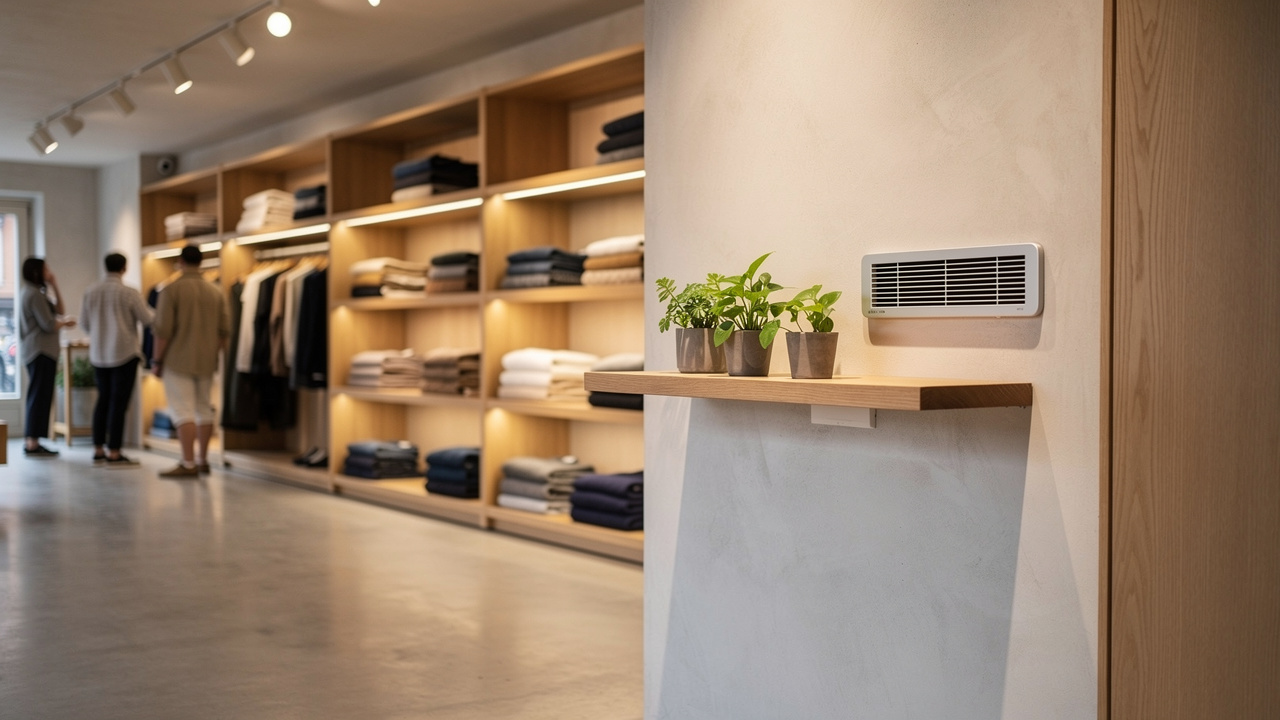
A scent branding initiative should be held to the same standard as any other marketing or CX program.
Key measurement ideas:
- Sales and revenue: Compare sales per square foot or per guest before and after rollout. In studies cited by Martin Lindström in Brand Sense, scented retail environments have shown sales increases of around 30% in certain controlled tests, such as stores diffusing the smell of baked goods.
- Customer satisfaction: Track Net Promoter Score (NPS) or similar measures. ScentAir has reported around 20% improvements in satisfaction scores for some clients after scent systems were installed.
- Perception shifts: Survey customers about cleanliness, atmosphere, and product quality. Food service businesses using scent marketing programs have seen higher food quality ratings without changing menus, indicating that smell shifts perception.
- Behavioral metrics: Look for changes in repeat-visit rates, time spent in waiting areas, and membership renewals (for gyms and clubs).
- Willingness to pay: In some neuromarketing experiments, shoppers in pleasantly scented spaces accept slightly higher prices for identical products, which can show up as better margins if you track price tests over time.
For nonprofit organizations, senior living communities, and healthcare providers, softer metrics such as reported anxiety levels, family satisfaction, and resident comfort scores can be just as meaningful.
Conclusion
Scent branding turns something invisible—smell—into a clear competitive asset. By linking a carefully chosen signature fragrance to your brand, you tap into the strongest of the senses for memory and emotion. In 2026, as scent marketing grows and neuroscience adds more support for multi-sensory experiences, ignoring smell means leaving part of your brand’s potential unused.
For small and medium-sized businesses, nonprofit leaders, and marketing teams, the path forward is practical:
- Clarify what you want people to feel.
- Select or create a scent that matches that emotional brief.
- Choose diffusion methods that fit your space and budget.
- Roll out carefully, measure, and refine.
Done well, scent branding does more than make a room smell pleasant. It helps customers feel at home with your brand, remember their visit long after they leave, and choose you again over less memorable alternatives.
FAQs
Can Scent Branding Work For Online Businesses?
Yes. While scent branding is easiest in physical locations, online-first brands can still benefit:
- Include scented inserts, cards, or packaging materials in shipments.
- Create limited-edition candles or diffusers in your brand scent for loyal customers.
- Use the same fragrance in any pop-up shops, events, or showrooms you host.
These touches connect the digital and physical experience, so customers associate your online brand with a consistent scent.
How Do I Choose The Right Scent For My Brand?
Start by defining your brand personality and the emotions you want customers to feel. Then:
- Map those traits to fragrance families (e.g., citrus for energy, woods for luxury, lavender for calm).
- Consider your audience’s age range and cultural background.
- Work with a fragrance or scent marketing partner to shortlist options.
- Test a few candidates in your space before settling on one.
The right scent for scent branding is one that fits your brand story and remains pleasant across many visits, not just the first impression.
Are There Legal Or Trademark Issues With Scent Branding?
Yes, in some cases:
- Certain jurisdictions allow scent trademarks, but the bar for distinctiveness is high.
- To qualify, a scent generally must be non-functional (not required for the product to work) and strongly associated with a single source.
- Even if you do not pursue a trademark, use fragrance suppliers who comply with safety standards and labeling rules.
If you plan to create a signature scent for large-scale use, speak with legal counsel familiar with trademarks and product safety.
How Much Does A Scent Branding Program Cost?
Costs vary based on:
- Number and size of locations.
- Type of diffusion (HVAC vs. standalone units vs. product-only).
- Whether you choose a library fragrance or pay for custom development.
Most scent branding programs involve a one-time equipment expense plus monthly or quarterly fees for fragrance and service. For many SMBs, the investment is similar to a modest local advertising or music licensing budget.
How Can I Measure The Return On Scent Branding?
To estimate return:
- Record baseline metrics: sales, dwell time, satisfaction scores, repeat visits.
- Launch your scent branding program.
- Track the same metrics for several weeks or months.
- Compare results and, where possible, run controlled tests (such as alternating scent-on and scent-off periods).
Combine numeric trends with feedback in reviews and surveys. If customers mention the pleasant smell or atmosphere more often and key metrics rise, your scent branding work is contributing real business value.