How to Use AI to Improve SMB Customer Acquisition
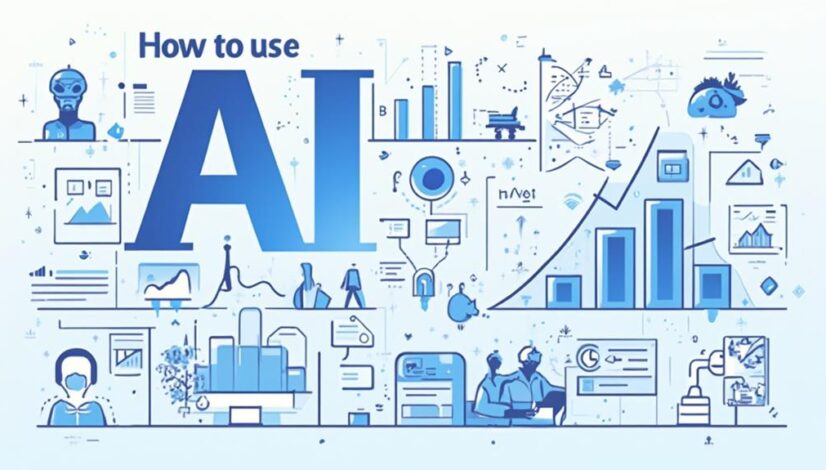
Utilizing AI can greatly enhance customer acquisition strategies for small and medium-sized businesses (SMBs). By leveraging predictive analytics, SMBs can identify target audiences and tailor marketing efforts based on behavioral insights. Implementing chatbots improves engagement through personalized, 24/7 communication, enhancing customer experience. Data-driven insights support continuous optimization of campaigns, ensuring relevance and effectiveness. In addition, AI-driven segmentation fine-tunes outreach efforts, making them more efficient. This strategic integration not only fosters deeper connections but also streamlines lead generation processes. As SMBs embrace these advancements, the potential for remarkable growth becomes apparent, revealing additional opportunities ahead.
Key Takeaways
- Utilize predictive analytics to understand customer behavior and refine marketing strategies for targeted outreach and improved acquisition rates.
- Leverage chatbots for instant communication, enhancing user engagement and providing 24/7 support to increase conversion opportunities.
- Personalize marketing campaigns by analyzing audience demographics and preferences, creating compelling content that resonates with potential customers.
- Automate lead generation processes through AI tools that score leads and optimize email campaigns based on performance metrics.
- Continuously analyze data-driven insights to adapt strategies, staying relevant and competitive in the market while enhancing customer satisfaction.
Understanding AI in Marketing

Artificial intelligence (AI) is revolutionizing the marketing landscape, particularly for small and medium-sized businesses (SMBs) seeking to enhance customer acquisition strategies. By leveraging AI fundamentals, SMBs can harness powerful tools like marketing automation and predictive analytics to effectively analyze customer behavior and preferences. This data-driven approach allows businesses to optimize their marketing efforts, delivering personalized experiences that cater to the unique needs of each customer.
Machine learning, a subset of AI, allows for continuous improvement in marketing campaigns based on real-time data insights. By integrating machine learning algorithms, SMBs can predict future customer trends, enabling proactive engagement strategies that drive conversions.
The convergence of technology trends, such as AI integration into customer relationship management (CRM) systems, considerably automates traditionally manual processes, freeing up marketing professionals to focus on strategic innovation.
However, the deployment of AI in marketing does raise essential considerations around data privacy and ethical practices. SMBs must prioritize transparency and customer consent when utilizing AI capabilities.
Ethical considerations should guide the use of predictive analytics to guarantee that businesses not only comply with regulations but also build trust with their clientele.
Identifying Target Audiences
Successfully identifying target audiences is critical for SMBs aiming to maximize their marketing efficiency and drive customer acquisition. By leveraging AI tools, businesses can deeply analyze audience demographics and refine their outreach strategies.
Utilizing market research and competitive analysis, SMBs can reveal significant insights into buyer personas, enabling them to tailor their messaging effectively.
Demographic profiling is an essential pillar of this process, helping businesses segment their audiences based on age, gender, income, and location. However, psychographic segmentation plays an equally pivotal role, as it explores customer behavior, preferences, and values. Understanding these factors allows SMBs to identify not only who their customers are but also why they engage with certain products or services.
AI-powered interest mapping enables businesses to discover trending topics and the specific engagement patterns that resonate with different audience segments. By analyzing these insights, SMBs can optimize their marketing funnels, ensuring they guide potential customers seamlessly through the acquisition process.
Incorporating AI-driven analytics also empowers SMBs to continually adjust their strategies based on real-time data, ensuring they remain agile in a dynamic market landscape.
Ultimately, a strategic approach to identifying target audiences through demographic and psychographic insights leads to a more effective marketing strategy, reducing wasted resources and enhancing customer engagement.
As SMBs harness these capabilities, they gain the freedom to connect authentically with their audiences, paving the way for sustainable growth and customer loyalty.
Leveraging Chatbots for Engagement
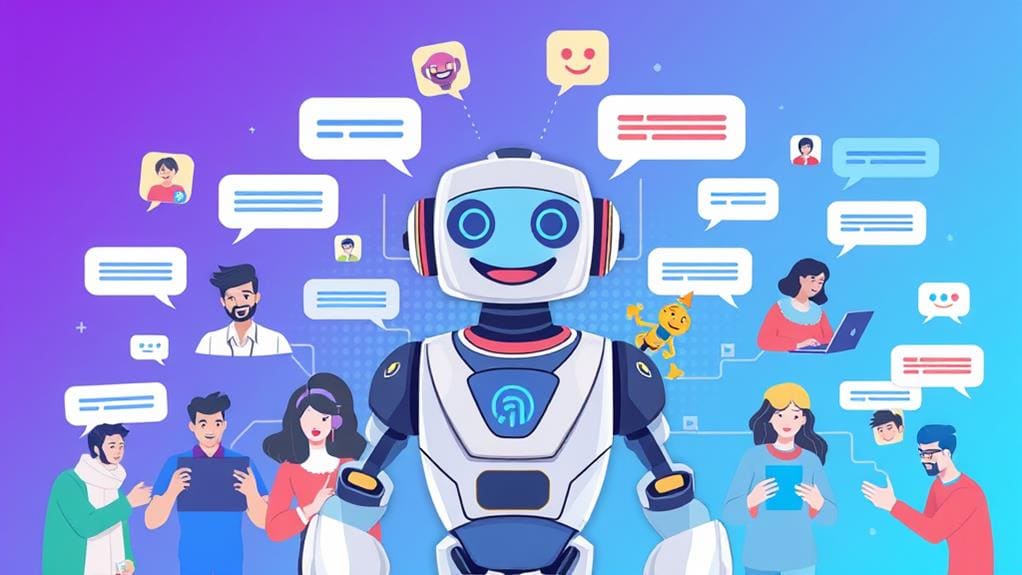
Chatbots are revolutionizing customer engagement by providing instant communication solutions that enhance user experience.
With the capability for personalized interactions, they can cater to individual preferences, greatly increasing the likelihood of customer acquisition.
Furthermore, their 24/7 availability guarantees that potential clients are met with timely responses, ultimately driving higher conversion rates for SMBs.
Instant Communication Solutions
In today's fast-paced digital landscape, instant communication solutions like chatbots have emerged as pivotal tools for small and medium-sized businesses (SMBs) aiming to enhance customer engagement and streamline acquisition processes.
With real-time support capabilities, chatbots effectively address customer inquiries, facilitating a seamless experience that fosters positive interactions.
The integration of multi-channel communication allows businesses to meet customers where they are, amplifying proactive outreach initiatives.
Through service automation, repetitive tasks are efficiently managed, freeing up valuable resources for more strategic initiatives.
Additionally, chatbots can solicit customer feedback, providing invaluable insights that drive continuous improvement.
Utilizing communication analytics, SMBs can fine-tune their approach by analyzing engagement metrics and satisfaction tracking.
This data-driven methodology empowers businesses to perform response optimization, ensuring that customer interactions are not only relevant but impactful.
Moreover, ensuring platform interoperability enhances the overall functionality of communication tools, allowing for cohesive customer journeys across various touchpoints.
Personalization for Engagement
Harnessing the power of personalization, businesses can dramatically enhance customer engagement through the strategic deployment of chatbots. By leveraging predictive analytics, chatbots can analyze customer behavior in real time, allowing them to deliver dynamic content tailored to individual preferences. Such personalized experiences not only improve the user experience but also considerably enhance overall engagement strategies.
Behavioral targeting through chatbots allows for the optimization of the audience journey. By identifying patterns in customer interactions, businesses can implement effective retention tactics that keep customers engaged and encourage repeat visits. Feedback loops created by these interactions provide invaluable data, helping to refine engagement strategies and achieve higher conversion optimization.
In a competitive landscape, personalization via chatbots stands out as a crucial component of effective customer acquisition. By committing to these innovative tactics, SMBs can drive deeper connections with their audience, increase satisfaction, and ultimately guarantee long-term loyalty.
As consumer expectations evolve, investing in intelligent, personalized chatbot solutions will become increasingly essential for businesses seeking to maintain freedom in their marketing strategies while fostering meaningful engagement with customers.
24/7 Availability Benefits
While traditional customer service can be limited by availability and response times, leveraging chatbots offers a transformative approach to engagement by ensuring round-the-clock support for users. This availability enhancement improves customer accessibility, allowing businesses to interact with potential clients at any hour without the constraints of human resource allocation.
The operational efficiency of chatbots drastically improves time management for both customers and service representatives, reducing average response times and ensuring immediate engagement. By facilitating instant answers to common inquiries, chatbots free up human agents to focus on complex issues, improving overall service flexibility and enhancing satisfaction levels.
Moreover, the strategic deployment of chatbots allows for effective schedule management, accommodating service requests outside regular business hours. This helps maintain high support availability, thereby preventing customer drop-off and improving retention rates.
Engaging clients at ideal times also contributes to higher conversion rates, as customers are more likely to act when they feel supported.
Personalized Marketing Campaigns
Personalized marketing campaigns leverage AI to achieve targeted audience segmentation, enabling businesses to identify and reach the most relevant customer groups.
By employing tailored content creation strategies, companies can enhance engagement and conversion rates, resulting in more effective marketing efforts.
Moreover, data-driven insights analysis allows SMBs to optimize their campaigns, ensuring resources are allocated efficiently for maximum impact.
Targeted Audience Segmentation
Effective targeting can greatly enhance the impact of marketing campaigns for small and medium-sized businesses (SMBs). By leveraging sophisticated audience segmentation techniques, SMBs can optimize their marketing strategy and embrace financial freedom.
Utilizing data clustering, companies can analyze audience demographics and behavioral patterns to uncover valuable insights. Psychographic profiling further enriches this analysis, helping marketers understand consumer motivations and preferences.
Segmentation models based on thorough market research enable SMBs to identify specific niches, enhancing the precision of targeting strategies. For example, creating detailed customer personas allows businesses to tailor their outreach efforts, directly addressing the unique needs and desires of distinct segments.
By integrating engagement metrics into these initiatives, SMBs can track the effectiveness of their campaigns, allowing for continuous refinement and adjustment. This data-driven approach not only increases the likelihood of conversion but also cultivates stronger customer relationships, fostering loyalty and repeat business.
In today's competitive landscape, adopting targeted audience segmentation is not just a strategy; it's a crucial necessity for SMBs seeking sustainable growth and empowerment through informed, personalized marketing efforts.
Tailored Content Creation
By leveraging tailored content creation, small and medium-sized businesses (SMBs) can greatly enhance the effectiveness of their marketing campaigns.
A strategic content strategy, rooted in audience understanding, allows SMBs to foster deeper audience engagement and elevate brand storytelling.
Utilizing AI tools and creative automation empowers businesses to deliver personalized experiences that resonate with potential customers.
Here are four essential components of tailored content creation:
- Message Tailoring: Craft unique messages that align with individual consumer preferences, improving relevance scoring.
- Visual Content: Integrate high-quality visual content and multimedia elements to enrich the user experience and capture attention.
- Content Optimization: Continuously optimize content based on performance metrics to guarantee ongoing relevance and effectiveness.
- Audience Insights: Utilize AI-driven insights to refine and adapt content, guaranteeing alignment with audience expectations and emerging trends.
Data-Driven Insights Analysis
The integration of tailored content creation naturally leads to the necessity of data-driven insights analysis, which plays a pivotal role in designing marketing campaigns that resonate with target audiences.
By leveraging predictive analytics, small and mid-sized businesses (SMBs) can mine vast volumes of data to uncover patterns in customer behavior, thereby informing their marketing strategies with precision.
Understanding the nuances of customer engagement requires not only analyzing past interactions but also forecasting future behaviors.
AI-driven tools enable SMBs to segment customers based on demographics, preferences, and purchasing habits, allowing for the creation of personalized marketing campaigns that speak to individual aspirations and needs.
This strategic approach empowers businesses to allocate resources effectively, increase conversion rates, and foster customer loyalty.
By embracing data-driven insights, SMBs can craft compelling narratives that appeal to their audience, transforming prospects into devoted clients.
The freedom to pursue innovative marketing strategies rooted in empirical evidence ultimately results in sustainable business growth.
In today's competitive landscape, ignoring the power of data-driven insights is not an option; it is essential for thriving in an increasingly discerning marketplace.
Data-Driven Insights for Strategy
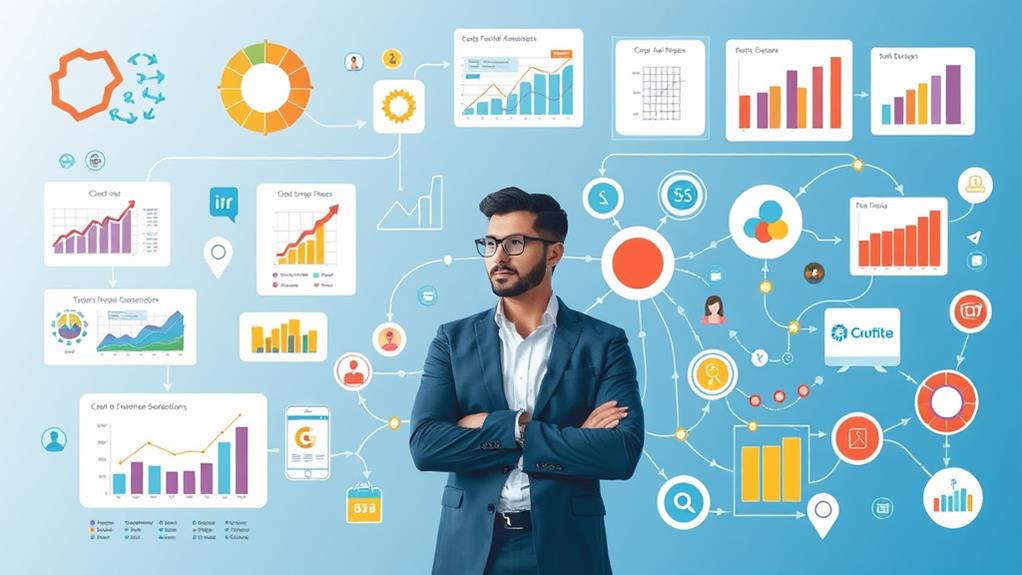
Leveraging data-driven insights is essential for small and medium-sized businesses (SMBs) looking to refine their customer acquisition strategies. By conducting thorough data analysis, SMBs can reveal valuable information about customer behavior, market trends, and competitive positioning.
This approach not only informs strategic planning but also empowers businesses to make informed decisions that resonate with their target audience.
To effectively harness these insights, SMBs should focus on four key areas:
- Performance Metrics: Establishing clear performance metrics enables businesses to measure the success of their customer acquisition efforts. This data informs adjustments and optimizations, ensuring resources are used efficiently.
- Customer Behavior Insights: Understanding customer behavior through past interactions and feedback is fundamental. It allows businesses to tailor marketing strategies to meet the specific needs and preferences of their audience.
- Market Trends Analysis: Staying ahead of evolving market trends can provide significant advantages. Analyzing industry shifts and consumer preferences helps SMBs remain relevant and competitive.
- Predictive Modeling: Utilizing predictive modeling techniques allows businesses to forecast future customer behavior more accurately. This proactive approach can highlight potential opportunities for growth and lead to more strategic decisions.
Automating Lead Generation
Automating lead generation can greatly enhance the efficiency and effectiveness of customer acquisition for small and medium-sized businesses (SMBs). By leveraging predictive analytics, SMBs can streamline their lead scoring methods, allowing for a systematized evaluation of potential customers based on accurate data. This priority-setting process enables businesses to focus on high-value prospects that are most likely to convert.
Content optimization plays an important role in automated outreach strategies. Through the utilization of AI tools, businesses can develop tailored content that resonates with target audiences, thereby increasing audience engagement. By continuously analyzing conversion metrics and conducting funnel analysis, SMBs can determine which content and outreach tactics yield the best results, facilitating a cycle of improvement.
Lead nurturing is another essential element where automation shines. Marketing automation platforms enable organizations to create personalized email campaigns and targeted follow-ups, ensuring that prospects remain engaged throughout the sales journey. This strategic approach not only enhances customer relationships but also greatly boosts conversion rates.
Effective campaign tracking further enhances performance evaluation, providing insights into successful strategies and areas requiring adjustment. With clear metrics and data-driven insights, SMBs can refine their approach, realizing increased efficiency and better alignment of resources.
AI-Powered Customer Segmentation
Effective lead generation sets the stage for deeper insights into customer behavior, making AI-powered customer segmentation a logical next step for SMBs aiming to maximize acquisition efforts.
By leveraging AI, businesses can enhance their marketing strategies through refined targeting and improved resource allocation. Here are four key components that underscore the value of AI in customer segmentation:
- Behavioral Analysis: By analyzing customer interactions, SMBs can identify patterns that indicate purchasing intentions and preferences, enabling more targeted messaging.
- Demographic Profiling: AI can effectively enrich customer profiles using demographic data, allowing businesses to tailor their marketing strategies to fit audience personas and identify high-value segments.
- Predictive Modeling: Through predictive analytics, SMBs can forecast customer behavior based on historical data and market trends. This insight helps in refining campaigns and focusing on segments most likely to convert.
- Engagement Metrics: Regular monitoring of engagement metrics provides critical feedback on the effectiveness of segmentation strategies. This allows for real-time adjustments and improved performance analytics.
Adopting AI-powered segmentation not only fine-tunes your approach to customer acquisition but also cultivates a deeper understanding of consumer insights.
When businesses harness the power of data enrichment, they position themselves to thrive in a competitive landscape, ultimately yielding greater freedom to innovate and grow.
Enhancing Customer Experience
Enhancing customer experience through AI involves leveraging personalization techniques and optimizing communication channels.
Data indicates that personalized interactions can increase customer satisfaction by up to 20%, ultimately driving loyalty and repeat business.
Personalization Through AI
Frequently integrating AI into customer interactions allows small and medium-sized businesses (SMBs) to deliver remarkable levels of personalization, greatly enriching the customer experience.
By harnessing the power of AI, SMBs can transform customer journeys, leading to improved engagement and conversion rates.
Here are four strategic approaches to leverage personalization through AI:
- Dynamic Recommendations: AI can analyze user behavior to offer tailored suggestions, enhancing user profiling and driving conversions.
- Behavioral Analysis: By employing predictive modeling and sentiment analysis, businesses can better understand their customers' needs, adapting their marketing strategies accordingly.
- Real-Time Adjustments: Implementing real-time adjustments based on engagement metrics allows businesses to refine their outreach, ensuring that messaging resonates with individual preferences.
- Feedback Loops: Establishing feedback mechanisms can help in understanding customer sentiments, enabling continuous optimization of the customer experience.
These strategies empower SMBs to create personalized interactions that not only improve engagement metrics but also greatly elevate conversion optimization.
In an increasingly competitive landscape, leveraging AI for personalization proves to be a critical success factor for SMBs aiming for growth and customer retention.
Streamlined Communication Channels
A well-implemented communication strategy is fundamental for small and medium-sized businesses (SMBs) aiming to elevate customer experience. Effective communication tools not only foster engagement but also enhance operational efficiency. By utilizing streamlined messaging platforms, SMBs can facilitate real-time conversations, thereby greatly improving response time—analytics show that a faster response correlates with increased customer satisfaction.
Moreover, integrating collaboration software fosters team alignment, ensuring that customer feedback is leveraged strategically to refine outreach methods. Monitoring engagement metrics enables SMBs to understand their audience better, allowing for tailored messaging that resonates with prospective customers.
Developing robust communication strategies empowers SMBs to interact meaningfully with customers, building trust and loyalty over time. The harnessing of AI-driven insights can further enhance these efforts by identifying trends in customer behavior and sentiment.
Ultimately, the implementation of streamlined communication channels not only optimizes customer interactions but also positions SMBs for sustainable growth in an increasingly competitive marketplace. By prioritizing these strategies, businesses can achieve a higher caliber of customer engagement and satisfaction, all while enjoying the freedom that comes from efficient and effective communication.
Measuring AI Effectiveness

Understanding the effectiveness of AI in customer acquisition for small and medium-sized businesses (SMBs) is essential for strategic decision-making. By implementing robust measuring techniques, SMBs can assess where their AI strategies stand and identify necessary improvements. Here are key methods to gauge AI effectiveness:
- AI Metrics: Establish specific quantitative measures, such as conversion rates and engagement statistics, to track AI performance consistently.
- Performance Evaluation: Regularly assess the AI systems in place to gauge how efficiently they drive new customer acquisition. This includes analyzing historical data against current AI outputs.
- Effectiveness Benchmarks: Set realistic benchmarks based on industry standards. Compare your performance against these benchmarks to identify areas needing enhancement.
- Impact Analysis: Understand the overall impact of AI on customer acquisition strategies through data analytics and feedback loops. This helps the organization calibrate its AI tools effectively.
Success measurement through these practices provides SMBs with the necessary insights for ROI assessments, ensuring that resources are being utilized efficiently.
Additionally, quality tracking mechanisms aid businesses in maintaining high standards in customer interactions. By leveraging improvement strategies grounded in measurable data, SMBs can enhance their customer acquisition efforts while fostering a culture of continuous growth.
In an evolving digital landscape, such precise evaluations not only empower organizations to optimize existing resources but also give them the freedom to innovate strategically.
Future Trends in AI and SMBs
With the rapid advancement of technology, small and medium-sized businesses (SMBs) are poised to leverage artificial intelligence (AI) in transformative ways. AI advancements promise to reshape the competitive landscape, allowing SMBs to enhance customer acquisition strategies through tailored marketing, data analytics, and automated customer interactions.
As emerging technologies become more accessible, the integration of AI into SMB operations will present future opportunities that extend well beyond traditional methods.
However, several factors will influence the pace and effectiveness of AI adoption among SMBs. Budget constraints are often a significant hurdle; many small businesses struggle to allocate sufficient resources for sophisticated AI solutions and the necessary training resources.
Additionally, scalability challenges persist as businesses aim to implement AI while managing growth effectively.
Industry-specific applications will play an essential role in driving AI integration, as SMBs must align technology with their unique needs. Ethical considerations will also demand attention, as responsible use of AI is paramount in maintaining customer trust and avoiding biases that could alienate potential clients.
To capitalize on these future opportunities, SMBs should develop strategies that prioritize not only technological investment but also continuous learning.
By fostering a culture of innovation and collaboration, these businesses can navigate the complexities of AI utilization, ensuring that they stay competitive and responsive in a rapidly evolving market.
Embracing these trends can lead SMBs toward long-term success and enhanced customer relationships, fundamentally changing the way they engage with their markets.
Frequently Asked Questions
How Much Does Implementing AI Technology Cost for Smbs?
The cost of implementing AI technology for small and medium-sized businesses (SMBs) varies widely, often ranging from a few thousand to several million dollars depending on the complexity of the solution.
Strategic AI budget planning is essential to guarantee alignment with overall business objectives and efficient resource allocation.
SMBs must weigh the potential return on investment against AI implementation costs to maximize benefits while maintaining operational flexibility and autonomy.
What Skills Are Needed to Manage AI Tools Effectively?
To effectively manage AI tools, professionals need a blend of skills: data analysis proficiency, strategic tool integration capability, and a keen understanding of technological trends.
Mastering data analysis enables teams to derive actionable insights, while adept tool integration guarantees seamless workflows.
Additionally, fostering adaptability in steering AI advancements remains essential.
Are There Any Legal Concerns When Using AI in Marketing?
The use of AI in marketing raises significant legal concerns primarily centered around data privacy and ethical considerations. Organizations must navigate regulations such as GDPR and CCPA to guarantee compliance while leveraging consumer data effectively.
Additionally, ethical implications arise when deploying AI for targeted marketing, necessitating transparency and fairness in algorithms. A strategic approach to AI utilization not only mitigates legal risks but also fosters consumer trust and brand loyalty in an increasingly privacy-conscious market.
How Can SMBS Start Small With AI Initiatives?
Small and medium-sized businesses (SMBs) can initiate AI initiatives through well-defined AI pilot projects that align with specific objectives.
Begin by conducting a thorough assessment of their needs, followed by strategic AI tool selection to facilitate tasks such as data analysis or customer interaction.
What Resources Are Available for AI Training and Education?
To enhance your understanding of artificial intelligence, numerous resources are available for training and education.
Online courses from platforms like Coursera and edX provide flexible learning options, covering foundational to advanced AI concepts.
Additionally, pursuing AI certifications from reputable institutions can boost credibility and skill sets, empowering individuals and teams.
Leveraging these resources strategically guarantees a well-rounded knowledge base, enabling you to navigate the complexities of AI effectively and foster innovation in your pursuits.
Conclusion
In conclusion, the integration of AI in customer acquisition for small and medium-sized businesses promises to turn the mundane into the extraordinary. By strategically harnessing AI's capabilities, businesses can avoid the fate of obsolete dinosaurs, clinging to outdated methods in a rapidly evolving landscape. Embracing data-driven strategies guarantees that SMBs not only survive but thrive, transforming each interaction into a potential acquisition. After all, even a small fish can make a big splash in an AI-driven ocean.