How to Create a Marketing Strategy That Stands Out in a Crowded Market
To create a marketing strategy that stands out in a crowded market, begin by thoroughly understanding your target audience, including their demographics and purchasing motivations. Analyze competitor strategies to identify gaps where you can differentiate your brand. Clearly define your unique value proposition (UVP) to articulate benefits that resonate with consumer values. Employ innovative storytelling techniques to forge emotional connections and enhance relatability. Leverage multi-channel marketing for broader outreach and community engagement. Incorporate visual branding for consistency and appeal. This all-encompassing approach empowers you to craft a strategy that not only captivates but also converts. Discover how to elevate your efforts further.
Key Takeaways
- Understand your audience by analyzing demographics, behaviors, and values to tailor effective marketing messages.
- Define a unique value proposition that clearly articulates what differentiates your brand from competitors.
- Leverage storytelling techniques to create emotional connections and engage consumers through relatable narratives.
- Embrace multi-channel marketing to reach diverse audiences and maintain consistent messaging across platforms.
- Foster community engagement by encouraging user-generated content and building meaningful relationships with customers.
Understand Your Target Audience

Understanding your target audience is fundamental to crafting an effective marketing strategy. By employing demographic profiling, businesses can gain critical insights into the specific characteristics of their potential customers. This process entails dissecting various elements such as age, gender, income level, education, and geographic location. Commanding this information allows marketers to tailor their messaging and product offerings to resonate with their audience's most pressing needs and desires.
Consumer behavior further enriches this understanding, offering a deeper exploration into the motivations behind purchasing decisions. By analyzing patterns in how consumers interact with products or services, businesses can uncover preferences, purchasing habits, and even emotional triggers. For instance, discerning whether consumers value sustainability might lead to the promotion of eco-friendly product lines that champion environmental freedom.
In a marketplace brimming with competitors, the power of understanding your audience lies in the ability to develop marketing strategies that speak to their core values and aspirations. This approach not only fosters customer loyalty but also empowers individuals to align their choices with their intrinsic desires for freedom and self-expression.
Analyze Competitor Strategies
While an extensive grasp of your target audience is essential, evaluating competitor strategies is equally critical in crafting a successful marketing approach. To stand out in today's crowded marketplace, it is paramount to understand competitor strengths that set them apart.
Analyze their branding strategies, as these can disclose insights into how they resonate with consumers and cultivate loyalty. Consider their pricing models, as competitive pricing can notably influence consumer choices.
Identify marketing gaps—areas where competitors may fall short. Recognizing these deficiencies provides an opportunity for your business to shine. Delving into customer feedback across platforms reveals customer sentiments that your competitors may overlook, aiding in refining your positioning.
Further, assess their promotional tactics and how they reach and engage their audience. Scrutinize their digital presence, including social media channels and website effectiveness. This sheds light on their content approaches and the type of storytelling that engages potential customers.
Define Your Unique Value Proposition
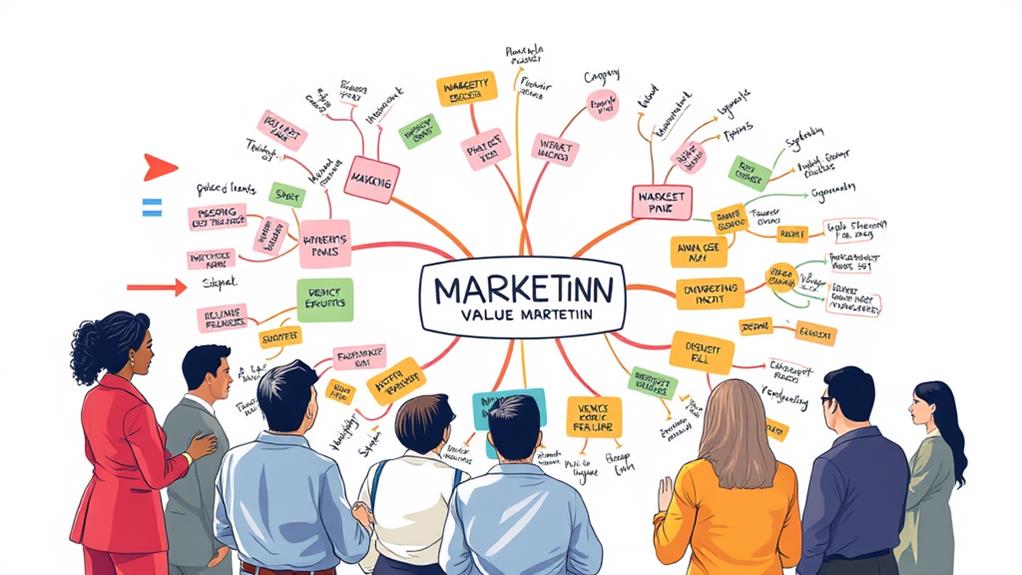
What distinguishes your brand in a saturated marketplace? The answer lies in your unique value proposition (UVP), an essential element that not only fuels brand differentiation but also shapes the entire customer experience.
In a world overflowing with options, consumers crave clarity. They seek brands that resonate with their personal values and understand their specific needs. Your UVP should articulate the distinct benefits your product or service offers that your competitors cannot.
To craft a compelling UVP, begin by identifying what makes your offering exceptional. This may involve pinpointing unique features, superior quality, or an innovative approach to solving a common problem.
However, your proposition should go beyond mere product attributes; it should connect deeply with the emotions and desires of your target audience.
Consider how your brand can enrich customer experience in ways that foster loyalty and community. This could be an unparalleled level of customer support, a commitment to sustainability, or a bold stance on social issues that align with the values of your audience.
These aspects can elevate your brand from just another business to a cherished part of your customers' lives.
Ultimately, a well-defined UVP serves as the backbone of your marketing strategy, guiding all communications and interactions between your brand and your audience.
When executed with intention, it not only facilitates brand differentiation in a crowded market but also inspires customers to embrace the freedom of choice your brand represents.
Leverage Storytelling Techniques
An effective storytelling technique serves as a powerful tool for brands aiming to connect deeply with their audience and enhance their marketing strategy. By harnessing narrative techniques, brands can craft compelling stories that foster an emotional connection, thereby establishing brand authenticity. This connection is essential in a marketplace saturated with impersonal messages and generic branding.
Character development plays a significant role in storytelling. By creating relatable characters that resonate with the target audience, brands can introduce relatability factors, making the narrative more engaging and memorable. These characters often navigate challenges that echo the conflict resolution journeys faced by potential customers, which fosters a sense of empathy and shared experience.
Moreover, immersing the audience in dynamic, immersive experiences can elevate the overall impact of the narrative. When stories integrate cultural relevance, they become even more poignant, allowing the brand to reflect the values and beliefs of the audience. This cultural alignment not only enhances relatability but also strengthens brand loyalty.
Ultimately, the art of storytelling leads to the generation of memorable messages that linger in the minds of consumers. By leveraging these storytelling techniques, brands can set themselves apart in a crowded market, forging lasting connections and driving loyalty.
As consumers increasingly seek authenticity and connection, embracing storytelling becomes not just a creative endeavor but a strategic imperative for any brand aiming for success beyond mere transactional relationships.
Utilize Data-Driven Insights

Harnessing data-driven insights is essential for brands looking to refine their marketing strategies and achieve measurable results. During a time when data analytics reigns supreme, understanding consumer behavior and market trends can empower brands to make informed decisions that resonate with their target audiences.
Employing techniques such as predictive modeling allows marketers to identify patterns and anticipate future buying behaviors, ensuring campaigns are both timely and pertinent.
Segmentation analysis is another vital aspect, enabling brands to tailor their messaging to specific audience segments. This targeted communication fosters engagement and loyalty while enhancing overall performance metrics.
A/B testing further refines strategies by using empirical evidence to determine which approaches yield the best outcomes, thereby optimizing resource allocation.
Moreover, customer feedback is invaluable; it provides direct insight into customer satisfaction and areas for potential improvement. By integrating this qualitative data with quantitative measures, brands can create a holistic view of consumer needs, resulting in more compelling offerings.
Data visualization tools are instrumental in distilling complex data into digestible formats, facilitating clearer insights and more effective strategy development.
Lastly, sales forecasting driven by data analytics delineates realistic growth trajectories, allowing businesses to plan strategically for the future.
In summation, leveraging data-driven insights not only sharpens a brand's competitive edge but also liberates marketers from guesswork, aligning actions closely with consumer desires and market realities. Embracing this analytical approach is paramount to thriving in today's crowded marketplace.
Embrace Multi-Channel Marketing
Creating a marketing strategy that resonates with contemporary consumers requires brands to engage through multiple channels. Adopting a multi-channel marketing approach not only amplifies outreach but also caters to the diverse preferences of your audience.
Email marketing remains a cornerstone, allowing brands to personalize messages and foster loyalty through targeted campaigns. Employing customer segmentation guarantees that your messaging speaks directly to the unique needs of different demographics.
In the quest for freedom of expression, influencer partnerships have emerged as powerful conduits to authentic engagement. Collaborating with influencers taps into their established trust with audiences, creating a sense of community around your brand.
Simultaneously, content repurposing allows brands to extend the lifespan of their most effective messages, leveraging existing materials across various platforms to maximize impact.
Cross-promotion strategies can also bolster visibility. By collaborating with brands that share similar values, you reach new audiences while reinforcing existing loyalty programs. This synergy not only broadens your reach but also enriches the consumer experience.
Mobile optimization has become non-negotiable; with consumers increasingly accessing content on-the-go, guaranteeing a seamless mobile experience can set you apart.
In embracing these strategies, brands create a marketing ecosystem where every touchpoint resonates and reinforces a cohesive narrative, ultimately driving engagement and conversion.
In an ever-crowded landscape, multi-channel marketing emerges not just as a choice, but as a crucial strategy for brands aiming to cultivate meaningful connections and thrive.
Foster Community Engagement

Fostering community engagement is essential for building brand loyalty and cultivating a vibrant customer base.
By leveraging social media platforms, hosting interactive events, and encouraging user-generated content, businesses can create meaningful connections with their audience that extend beyond the transactional.
These strategies not only enhance visibility but also empower customers to be active participants in the brand narrative.
Leverage Social Media Platforms
One of the most effective ways to connect with your audience is through the strategic use of social media platforms, which can greatly enhance community engagement. By leveraging these digital avenues, brands can create meaningful interactions and foster a sense of belonging among users.
The dynamic nature of platform algorithms allows businesses to tailor content that resonates with their audience, ensuring that messages are not just received but embraced.
Influencer partnerships further amplify this engagement, as influencers inherently possess the trust and connection needed to reach target demographics authentically. Collaborating with these digital trendsetters can open doors to niche communities and provide a sense of freedom for brands to explore innovative marketing techniques without compromising their core values.
Moreover, the shareability of social media content encourages users to become brand advocates, extending reach organically. This symbiosis of authentic engagement and strategic partnership can transform passive followers into active members of a thriving community.
Engaging audiences on social media creates not just customers, but passionate supporters who resonate with your brand, allowing it to stand out distinctly in a saturated market.
Host Interactive Events
Building on the momentum generated by social media interactions, hosting interactive events presents an invaluable opportunity for brands to deepen community engagement. Embracing diverse event formats—ranging from thematic events to workshops—allows brands to cater to varied interests and encourage meaningful audience participation.
By integrating interactive technology, such as polls and live Q&As, attendees feel valued, fostering a connection that simple broadcasts cannot achieve.
Moreover, these events create invaluable networking opportunities, enabling attendees to establish relationships that extend beyond the event itself. Collaborating with complementary brands can amplify reach and enhance the experience through shared expertise and resources.
Incorporating experiential marketing techniques, such as immersive activations or engaging speakers, allows brands to leave a lasting impression.
Feedback mechanisms, essential for continuous improvement, can be seamlessly integrated into interactive events, paving the way for future enhancements. Utilizing gamification strategies can further elevate audience engagement, turning learning opportunities into enjoyable experiences.
Ultimately, hosting interactive events not only creates a platform for brand visibility but also cultivates a loyal community that feels empowered and connected. By prioritizing engagement in all forms, brands can stand out in a crowded market, ultimately driving both awareness and advocacy.
Encourage User-Generated Content
Encouraging user-generated content (UGC) is a powerful strategy for brands aiming to enhance community engagement. By inviting customers to participate in content contests, brands can foster a sense of ownership and creativity among their audience. Such initiatives not only capture authentic insights but also serve as a platform for passionate individuals to emerge as brand ambassadors, amplifying the brand's message organically.
Implementing feedback loops is essential to this process, as they allow brands to respond to UGC, demonstrating appreciation and encouraging future contributions. Creative challenges, including photo prompts and hashtag initiatives, can spark dialogue and shared experiences, creating vibrant communities around the brand.
These engagement incentives, such as exclusive rewards for top contributors, propel participation and strengthen emotional connections.
Moreover, testimonial campaigns harness the power of UGC by showcasing genuine customer experiences, enhancing credibility and trustworthiness in the marketplace. By integrating these strategies into a broader marketing framework, brands can shift from passive advertising to active community collaboration, ultimately standing out in a crowded market.
This collective creativity not only elevates brand identity but empowers consumers, facilitating a mutually beneficial relationship that thrives on engagement and shared values.
Incorporate Visual Branding
Incorporating visual branding into a marketing strategy can dramatically enhance brand recognition and consumer engagement. A well-executed visual branding strategy aligns with your brand values and appeals to your target audience, ensuring that your messaging resonates deeply and meaningfully.
The following four strategies illustrate how to achieve this:
- Establish Brand Consistency: Consistent use of logos, color palettes, and typography across all platforms fosters a cohesive brand identity. This familiarity encourages customer loyalty, as they can easily identify and recall your brand.
- Leverage Visual Hierarchy: Organizing your visual elements in a way that guides the viewer's eye is essential. By prioritizing important information through size, contrast, and spacing, you can effectively communicate messages while maintaining aesthetic appeal.
- Utilize High-Quality Imagery: Invest in professional photography and graphic design to portray your brand in the best light. High-caliber visuals can elevate perception and set your brand apart from competitors, reinforcing trust and credibility.
- Incorporate Video Content: Video is a potent medium for showcasing your brand's personality and story. Engaging video content can convey complex messages quickly while promoting higher retention rates among your audience.
Measure and Adapt Your Strategy

While crafting a marketing strategy is essential, the true measure of its effectiveness lies in continuous evaluation and adaptation. In an ever-evolving marketplace, a static approach is a recipe for obsolescence; consequently, employing feedback loops and robust performance metrics is critical. These tools not only reveal how well your strategy resonates with your target audience but also illuminate areas ripe for enhancement.
Feedback loops foster a dynamic relationship with your audience, allowing you to gather real-time insights on their preferences and behaviors. This dialogue empowers marketers to pivot quickly, tailoring their strategies based on the actual needs and desires of their consumers. Engaging directly with your audience—through surveys, social media interactions, and user analytics—can transform data points into actionable insights that refine your approach.
Integrating performance metrics is equally crucial. Beyond standard metrics like conversion rates and engagement statistics, consider employing more nuanced indicators such as customer lifetime value and brand perception. These metrics provide a holistic view of your strategy's impact, revealing the true value of your marketing efforts.
Ultimately, the freedom to innovate hinges on your ability to measure and adapt. By committing to a cycle of real-time analysis and strategic recalibration, your marketing strategy not only stands out but evolves in harmony with market demands, distinguishing your brand as a leader in a crowded space.
Frequently Asked Questions
How Do I Budget for My Marketing Strategy Effectively?
Effective budgeting for your marketing strategy begins with thorough marketing allocation.
Conduct a cost analysis to identify necessary expenditures, ensuring resource distribution aligns with strategic goals.
Establish performance metrics to evaluate campaign effectiveness and enable informed decision-making.
Prioritize initiatives based on potential impact and allocate resources accordingly.
What Platforms Are Best for Launching My Marketing Campaign?
In the vibrant landscape of digital marketing, selecting the right platforms is akin to choosing the canvas for an artist's masterpiece.
Consider where your target audience congregates and align your campaign goals with this insight. Evaluate platforms for their capacity to amplify creative messaging and facilitate influencer partnerships.
How Often Should I Review My Marketing Strategy?
Regular reviews of your marketing strategy are essential for sustained success. A quarterly assessment is often ideal, allowing for timely adjustments based on performance metrics.
This frequency fosters adaptability, enabling you to respond to market dynamics effectively. Additionally, consider semi-annual thorough reviews to explore deeper into strategic alignment and innovation.
Ultimately, a disciplined approach to marketing strategy review empowers you to optimize campaigns and seize opportunities for growth, ensuring your objectives remain achievable.
What Role Does Social Media Play in a Marketing Strategy?
Social media's influence is profound, with 73% of marketers believing it has been effective for their business.
This platform shapes social media trends, allowing brands to connect deeply with their audience.
By leveraging compelling content and interactive features, organizations can enhance audience engagement, driving conversions and loyalty.
Embracing these digital avenues fosters innovation and creativity, empowering brands to articulate their unique value proposition while resonating with consumers seeking authentic, relatable connections.
How Do I Handle Negative Feedback From My Audience?
Handling negative feedback from your audience necessitates a strategic approach grounded in customer insights and feedback analysis.
Begin by actively listening to the concerns raised, as this reveals underlying issues and helps to foster trust. Analyze the feedback to delineate patterns, addressing genuine grievances with transparency and creativity.
Acknowledge misunderstandings and clarify your position, showcasing commitment to improvement. In doing so, embrace freedom of expression while turning criticism into an opportunity for engagement and growth.
Conclusion
In the bustling marketplace, a well-crafted marketing strategy serves as a lighthouse guiding brands through turbulent waters. By understanding target audiences, dissecting competitor tactics, and establishing a distinctive value proposition, brands can rise above the clamor. The integration of storytelling and data-driven insights weaves a compelling narrative, while multi-channel engagement cultivates community. Ultimately, continuous measurement and adaptation transform static messages into dynamic conversations, ensuring relevance and resonation amidst the cacophony of competition.