
What Are Branding Platforms? Best Tools for 2026
A branding platform is the strategic identity framework every business needs before choosing tools, running campaigns, or designing logos. It answers the most fundamental questions about your organization: why you exist, who you serve, what you stand for, and how you communicate that to the world consistently. Companies like Frontify describe it as “the single source of truth for your brand.” Branded Agency frames it as the internal blueprint that shapes every customer interaction, campaign, and business decision — covering purpose, values, positioning, and messaging architecture in one coherent system.
In 2026, branding platforms operate on two levels simultaneously. The first is the strategic framework — your purpose, values, positioning, messaging architecture, and voice. The second is the technology infrastructure — digital tools that make that strategy accessible, executable, and measurable across teams, regions, and channels. Both matter. Strategy without infrastructure produces inconsistency. Technology without strategy produces a well-organized but directionless brand.
This guide covers both dimensions: what a branding platform actually is, which tools lead the market in 2026, and how to build one from the ground up.
Key Takeaways
- A branding platform is both a strategic identity framework (purpose, values, positioning, voice) and a technology system for managing brand assets and guidelines at scale.
- The core components of a branding platform include brand purpose, target audience definition, positioning, messaging frameworks, visual language, and brand voice.
- Leading branding platform tools in 2026 include Frontify, Bynder, Lingo, Brandpad, and Canva for Teams — each suited to different business sizes and use cases.
- Building a branding platform follows a clear, repeatable process that SMBs, nonprofits, and growing enterprises can all implement.
- Brand consistency across channels directly drives customer trust, loyalty, and long-term revenue growth.
- Common mistakes — like treating the platform as a one-time project or confusing brand guidelines with brand strategy — undermine even well-funded branding efforts.
What Is a Branding Platform? The Strategic Definition
At its core, a branding platform is an overarching set of values, principles, and ideas that shape the identity of a company. It provides the guidelines and principles underlying all messaging, communication, and marketing efforts aimed at driving growth and organizational success. Rather than a static PDF buried in a shared drive, a truly effective branding platform is a living, centralized resource — discoverable, shareable, and usable across the entire organization, and with external partners and stakeholders.
The strategic side of a branding platform clarifies a business’s distinct value proposition, brand differentiation, and shapes customer perceptions. The operational side ensures that clarity gets applied consistently — so every team, in every region, on every channel, expresses the brand in a way that is coherent and meaningful.
Think of it as a compass. Without it, teams guess about brand direction and make reactive decisions based on individual opinions. With it, every employee, partner, agency, and stakeholder can orient themselves around the same north star — no matter where they work or what channel they manage.
Core Components of a Branding Platform

A well-developed branding platform includes both strategic elements (the “why” and “what”) and practical tools (the “how”). Here are the essential components:
Brand Purpose, Vision, and Mission Statement — The brand purpose answers why your organization exists beyond generating revenue. The mission statement declares your core focus. The vision statement paints an aspirational picture of where the brand is headed.
Core Brand Values and Beliefs — The fundamental principles that guide decisions across the organization. Strong values are authentic to the company’s story, distinct from competitors, applicable to everyday situations, and meaningful to both employees and customers.
Brand Positioning — Your distinct place in the market and in the minds of customers. A strong positioning statement includes your category, primary audience, key differentiator, the benefit that differentiator provides, and proof points that support it.
Target Audience Definition — Detailed profiles of your ideal customer segments, including demographics, psychographics, motivations, and pain points. These anchor every messaging and creative decision.
Brand Voice and Personality — The distinct communication style and human characteristics associated with your brand. Voice and brand personality ensure all communications feel like they come from the same source, even when produced by different teams.
Key Messaging Frameworks — Practical communication tools that translate strategy into language. These include your brand story, primary messages for each audience segment, proof points, and vocabulary guidelines.
Brand Promise and Pillars — The commitment your brand makes to customers in every interaction, and the key themes that structure your core narrative.
Visual Language — Color palette, typography, logo usage, imagery style, iconography, and design principles that represent the brand aesthetically.
Branding Objectives and Principles — Specific, measurable goals the brand aims to accomplish, alongside the ethical and operational guidelines that govern brand actions.
Best Branding Platforms for Brand Guidelines & Identity Management in 2026

Choosing the right technology platform depends on your team size, budget, and how complex your brand management needs are. Here is a comparison of the leading tools in 2026:
| Platform | DAM | AI Tools | Collaboration | Pricing Tier | Best For |
|---|---|---|---|---|---|
| Frontify | ✅ Full DAM | Frontify AI (auto-tagging, smart search, content suggestions) | Real-time editing, role-based permissions, approval workflows | Mid-to-enterprise | Enterprise teams managing complex brand systems |
| Bynder | ✅ Full DAM | AI-powered auto-tagging, metadata generation, brand compliance scoring | Advanced workflow automation, external portal sharing | Enterprise | Large marketing teams with high-volume asset production |
| Lingo | ✅ Visual DAM | Basic AI organization | Shared kits, team access | SMB-friendly | Design teams needing a simple, visual asset library |
| Brandpad | ❌ Limited | None | Brand guideline publishing, shareable links | SMB | Agencies and small teams publishing clean, minimal brand guidelines |
| Canva for Teams | ✅ Partial | Magic Studio (AI image generation, Magic Write, text-to-design) | Real-time co-editing, brand kit controls, template locking | SMB-to-mid | Non-designers creating on-brand content at scale |
Frontify remains the most comprehensive option for enterprise and mid-market teams in 2026. Its centralized brand portal houses guidelines, DAM, templates, and creative collaboration in one place. Frontify AI adds intelligent asset organization and content suggestions that reduce manual workload significantly.
Bynder leads on enterprise DAM capabilities with strong workflow automation and brand compliance scoring — particularly valuable for teams managing thousands of assets across multiple markets.
Canva for Teams has evolved substantially with its Magic Studio suite. Adobe Firefly integration, Magic Write, and text-to-design capabilities make it the most accessible AI-powered branding platform for SMBs and nonprofits that need high-quality, on-brand content without a dedicated design team.
Lingo and Brandpad serve smaller teams and agencies that need clean, shareable brand guidelines without the overhead of a full enterprise system.
For small to medium-sized businesses, the combination of a well-documented strategic brand platform paired with Canva for Teams as the execution layer offers the best balance of quality, speed, and cost-effectiveness in 2026 — and recent research on AI Agents Small Business adoption shows that SMBs leveraging integrated digital tools are seeing measurable revenue gains. You can explore more about effective branding strategies for SMBs today to see how these tools fit into a broader growth strategy.
How to Build a Brand Platform: A Step-by-Step Framework

The following framework applies whether you are a startup founder building from scratch, a nonprofit leader refreshing a mission-driven brand, or a marketing director standardizing how your team expresses the brand. Save this as your free checklist.
Step 1: Define Your Brand Purpose and Vision
Start with the foundational question: why does your organization exist beyond generating revenue? Ask what real difference you make in people’s lives, what the world would miss if your brand disappeared, and what deeper human need your offering fulfills. When expressed honestly, brand purpose builds emotional bonds with both teams and customers.
Step 2: Articulate Your Core Values
Identify the values that genuinely reflect your organization’s story and leadership — not aspirational platitudes, but the actual principles guiding real decisions. Each value should be authentic to your culture, distinct from competitor claims, applicable to everyday situations, and meaningful to both employees and customers.
Step 3: Develop Your Brand Positioning Statement
Create a positioning statement that captures your distinct place in the market. Include your category, your primary target audience, your key differentiator, the benefit of that differentiator, and supporting proof. This becomes the guiding document for all marketing activities.
Step 4: Define Your Target Audience in Depth
Build detailed profiles of your ideal customer segments — demographics (age, location, industry, income) and psychographics (values, motivations, pain points, aspirations). Understanding your audience at this depth produces communication that is genuinely relevant rather than generically appealing.
Step 5: Build Your Messaging Frameworks
Develop a core brand narrative, primary messages for each key audience segment, proof points that substantiate claims, tone and voice guidelines, and a vocabulary guide specifying language to use and language to avoid. These tools ensure everyone speaking for your brand communicates with a multi-channel brand consistency and formats.
Step 6: Establish Brand Personality and Voice
Define the human characteristics you want your brand to embody. Is your brand authoritative and informative, or warm and approachable? Energetic and bold, or calm and precise? Document this so it is reproducible at scale — not dependent on any one person’s interpretation.
Step 7: Document Visual Language and Build Digital Infrastructure
Create or codify your visual identity system: logo usage, color palette with exact specifications, typography hierarchy, imagery style, iconography, and layout principles. Then choose a digital branding platform from the options above that makes this system accessible to every team member and external partner who needs it.
Free Checklist: Copy this seven-step list, assign owners and deadlines to each step, and use it as your brand platform project plan. Each step should produce a documented output that lives in your chosen digital platform — not in someone’s inbox.
Digital Platforms That Power Modern Branding Strategies
Beyond brand identity management tools, a complete modern branding strategy relies on several categories of digital platforms working together. Here is how the key categories contribute to brand growth in 2026.
Social Media Platforms
Social media platforms play a significant role in implementing modern branding strategies, and emerging AI-driven tools — explored in depth in resources like Will GenAI Fashion Assistants coverage — illustrate how generative AI is reshaping brand communication across industries. With the continued growth of social media advertising and the increasing importance of audience engagement, businesses that ignore these channels do so at considerable cost. Social media advertising lets brands reach wide audiences and target specific demographics with precision, while creating visually engaging content that builds brand awareness and drives customer interaction.
Beyond paid advertising, social media engagement builds genuine relationships with customers. Responding to comments, participating in conversations, and sharing authentic content creates a sense of community and loyalty. These interactions also surface valuable data about customer preferences and behavior, allowing businesses to refine their marketing approach continuously.
Social platform algorithms and audience behaviors shift regularly. Brands that commit to testing different content formats, monitoring performance data, and adjusting their approach accordingly will consistently outperform those that rely on a fixed playbook.
Influencer Marketing Platforms
The growth of influencer marketing has made dedicated platforms an increasingly practical choice for brands looking to manage partnerships at scale. These platforms centralize influencer discovery, contract management, content review, and campaign analytics in one place. Two specific advantages stand out:
Access to a broad pool of influencers: Influencer marketing platforms offer a wide range of creators across different niches — fashion, beauty, fitness, tech, and more. Brands can filter by audience demographics, engagement rates, and content style to find partners who genuinely align with their brand values and target audience.
Streamlined campaign management: These platforms simplify negotiations, enable content review before publication, and track performance metrics across every creator in a campaign. This level of transparency ensures brand consistency while reducing the administrative burden of managing multiple influencer relationships manually.
Content Creation Platforms
Content creation platforms give brands the tools to produce high-quality, consistent content across formats. In 2026, AI capabilities have significantly raised the bar for what small teams can produce independently — a shift well documented in analyses of How Web of Worlds and similar open digital infrastructure initiatives that are empowering SMEs to build scalable brand experiences.
Creative tools like Adobe Photoshop, Illustrator, and Canva remain the standard for visual content. Adobe Firefly brings generative AI image creation directly into the Creative Cloud workflow, while Canva’s Magic Studio suite — including Magic Write and AI background generation — makes professional-grade content accessible to teams without dedicated designers.
Video editing tools like Adobe Premiere Pro, Final Cut Pro, and DaVinci Resolve continue to lead for professional video production. AI-powered features in these tools now handle tasks like auto-captioning, scene detection, and color correction that previously required significant manual effort.
Collaboration features have become equally important as creative tools themselves. With distributed teams now the norm, platforms need real-time co-editing, comment threads tied to specific design elements, version history, and role-based permissions. These features reduce the back-and-forth of traditional review cycles and keep projects moving without sacrificing quality control.
E-Commerce Platforms
E-commerce platforms are where branding strategy meets revenue generation. The right platform does more than process transactions — it creates an online environment that reflects your brand identity at every touchpoint.
Two trends continue to shape platform selection in 2026:
Omnichannel integration: Consumers interact with brands across websites, mobile apps, social media storefronts, and physical locations. Platforms that unify these experiences — presenting consistent branding, inventory, and customer data across all channels — create meaningfully better shopping experiences and higher repeat purchase rates.
Mobile commerce: Mobile now accounts for the majority of online shopping sessions in the US. E-commerce platforms must deliver responsive design, fast load times, and friction-free mobile checkout to avoid losing customers at the final step.
For branding specifically, e-commerce platforms should support customizable templates that reflect your visual identity, marketing integrations for email and social channels, and analytics that connect brand engagement metrics to conversion data.
Customer Relationship Management Platforms
Customer relationship management (CRM) platforms are central to managing how your brand interacts with customers at an individual level. They provide a comprehensive view of customer history, behavior, and preferences — the data that makes personalized communication possible. Popular options include:
| CRM Platform | Key Features |
|---|---|
| Salesforce | Comprehensive customer data view, personalized interaction management, streamlined sales processes |
| HubSpot | Contact and lead management, email marketing, customer analytics, marketing automation |
| Zoho CRM | Lead generation, contact management, sales pipeline tracking, email and social media integration |
| Microsoft Dynamics 365 | Unified platform for sales, marketing, and customer service; integrates with Microsoft ecosystem |
CRM platforms help businesses build stronger customer relationships by enabling targeted marketing efforts, personalized experiences, and focused retention strategies. They also surface the data needed to identify sales opportunities, track customer interactions across touchpoints, and measure the long-term impact of branding investments on customer loyalty and lifetime value.
Email Marketing Platforms
Email marketing platforms connect customer data to direct communication, making them one of the highest-ROI channels available to businesses of any size. Two capabilities make the biggest difference:
Marketing automation: These platforms let businesses trigger personalized emails based on specific customer behaviors — a product view, an abandoned cart, a support inquiry — ensuring relevant communication reaches customers at exactly the right moment without manual intervention.
Campaign optimization: A/B testing for subject lines, content, and calls to action, combined with detailed reporting on open rates, click-through rates, and conversion performance, creates a continuous improvement loop that compounds results over time.
Search Engine Optimization Platforms
SEO platforms help brands grow organic visibility by surfacing actionable data about keyword opportunities, technical site health, competitor positioning, and content performance. Core capabilities include keyword research tools that identify the phrases and questions your target audience is searching for, on-page optimization guidance, link-building analysis, and performance tracking dashboards.
In 2026, leading SEO platforms have integrated AI-powered content suggestions, search intent analysis, and automated technical audits that make ongoing optimization more efficient for lean marketing teams.
Analytics and Data Tracking Platforms
Analytics platforms are the measurement layer that connects branding activity to business outcomes. Key applications include:
- Conversion optimization: By tracking user behavior across your website and marketing channels, analytics platforms identify where customers drop off in the sales funnel and which content or campaigns drive the highest conversion rates.
- Customer segmentation: Segmenting your audience by demographics, behavior, and preferences allows for more targeted campaigns, personalized recommendations, and messaging that connects with specific groups rather than addressing everyone generically.
In 2026, AI-powered analytics platforms can surface predictive insights — flagging emerging trends, forecasting campaign performance, and recommending budget allocations — that previously required data science expertise to generate; How a Technomythic Operating System integrates Git and AI for SMEs is one example of how unconventional AI-driven systems are democratizing these capabilities for smaller organizations.
Mobile App Development Platforms
Mobile apps give brands a direct, persistent channel to their most engaged customers, and sectors like tourism are leading the way — as explored in How an AI-Connected Visitor Experience is transforming small tourism businesses through mobile-first brand engagement. Effective app design prioritizes intuitive user experiences that reduce friction and create genuine value — whether through exclusive content, loyalty programs, streamlined purchasing, or customer support.
Mobile app development platforms now offer extensive template libraries, drag-and-drop builders, and pre-built integrations that let businesses launch and iterate on mobile apps without deep engineering resources. Monetization options — in-app purchases, subscriptions, advertising — and built-in analytics for tracking engagement and revenue complete the picture for brands evaluating mobile as a channel.
Branding Platform vs. Brand Strategy vs. Brand Guidelines: Understanding the Distinctions
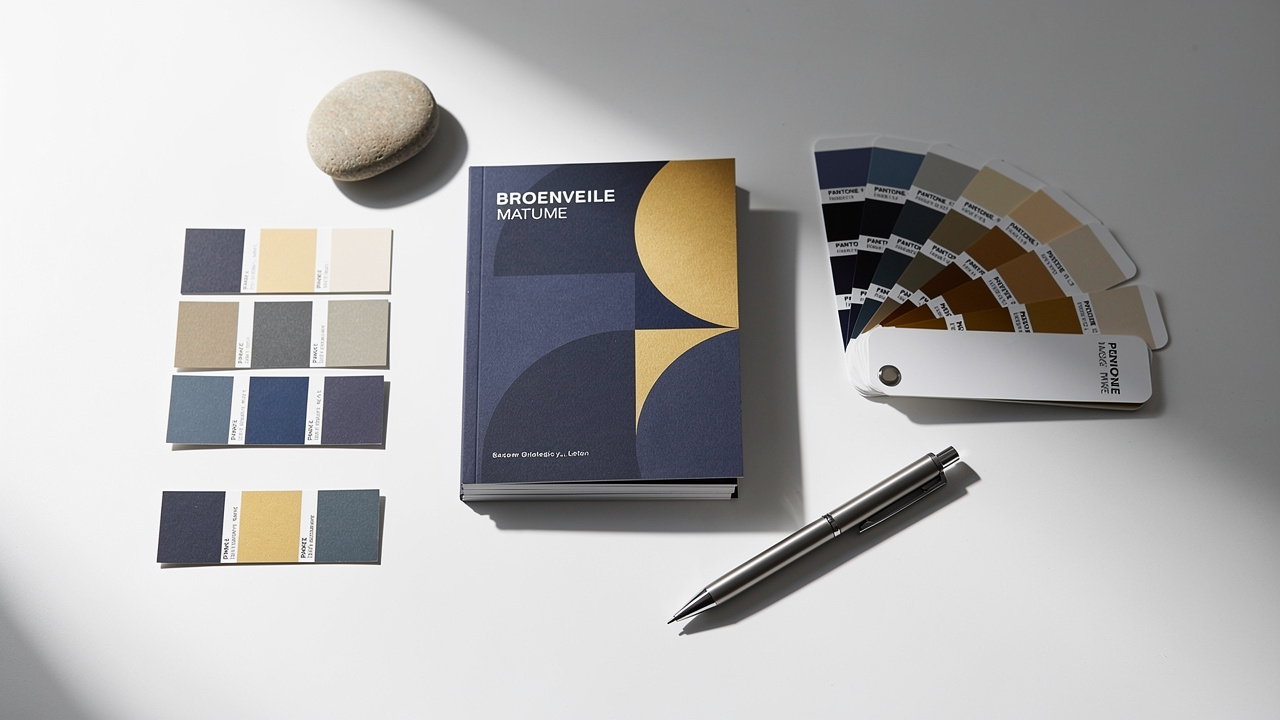
These three terms are closely related but represent distinct concepts that work in sequence:
Brand Strategy is the process of building a brand platform. It involves researching customer needs, identifying core values, and crafting a positioning framework that communicates who you are and why customers should choose you. Brand strategy drives all aspects of marketing, communications, and product development.
Brand Platform is the resulting document and system that captures the strategic decisions made during brand strategy development. It is the actionable articulation of who the brand is, what it stands for, and how it engages the world.
Brand Guidelines are the execution layer — the documented rules for how the brand appears visually and verbally. They specify logo usage, color codes, typography, tone of voice, and visual examples. Brand guidelines flow directly from the brand platform, translating the strategic foundation into operational rules.
The sequence is: strategy informs the platform, the platform shapes the identity, and guidelines govern day-to-day execution. Organizations that skip the middle step — building visual identity without a platform — often end up with polished visuals that lack strategic coherence, or compelling messaging that is not backed by authentic organizational values.
Common Mistakes to Avoid When Building a Branding Platform

Treating it as a one-time project. A branding platform is a living system that must evolve with the business, the market, and customer needs. Set a regular cadence for review and updates — at minimum annually, and whenever significant business changes occur.
Creating a platform that stays on a shelf. A branding platform is only as valuable as its adoption. Many organizations invest in developing a brand platform document but fail to embed it into day-to-day operations, onboarding, and content creation. The most successful brands make their platform discoverable and integrated into workflows — not a PDF that no one opens after launch.
Prioritizing aesthetics over strategy. Visual identity matters enormously, but it must rest on strategic foundations. Organizations that lead with visuals and treat purpose, values, and positioning as afterthoughts produce brands that look polished but lack the depth needed to sustain emotional connections or navigate market changes.
Allowing brand drift during scaling. Rapid growth — new markets, new team members, new agency partners — creates significant risk for brand inconsistency. Without documented guidelines and accessible digital platforms, individual teams will inevitably interpret the brand differently. Over time, this fragmentation erodes brand equity and customer trust.
Building without audience insight. The strongest branding platforms are grounded in research, not internal brainstorming alone. Organizations that define their brand without validating purpose, positioning, and messaging against actual customer insights risk building a platform that resonates internally but misses the mark with the people it is meant to serve.
Conclusion
A branding platform is not a logo, a tagline, or a color palette. It is the strategic foundation that determines whether your brand communicates a clear, consistent identity — or a fragmented, forgettable one. For small and medium-sized businesses, nonprofits, and growing enterprises alike, investing in a well-constructed brand platform creates the clarity, consistency, and credibility needed to compete in any market.
The digital tools available in 2026 — from Frontify and Bynder for enterprise-scale asset management to Canva’s Magic Studio for AI-powered content creation — make it more accessible than ever to bring a brand platform to life operationally. But the technology only works when the strategic foundation is solid. Start with purpose, values, positioning, and voice. Then choose the tools that make that strategy executable for your team.
If you are ready to build or refresh your brand platform with personalized guidance, the effective branding strategies for SMBs today resource at AlexCasteleiro.com is a strong starting point — and a 15-minute strategy call can help you identify exactly where to focus first.
Frequently Asked Questions
What Is the Difference Between a Brand Platform and Brand Guidelines?
Brand guidelines are the execution layer of a brand platform. They specify how the brand appears visually and verbally — logo usage rules, color codes, typography, tone of voice, and approved imagery styles. A brand platform is the strategic foundation underneath those guidelines. It captures your brand’s purpose, values, positioning, target audience, and messaging framework. Guidelines tell teams how to apply the brand. The platform explains why the brand exists, what it stands for, and who it serves. Organizations that create guidelines without first building a platform often produce visually consistent but strategically hollow brands.
Which Branding Platform Is Best for Small Businesses?
For most small businesses in 2026, Canva for Teams offers the best starting point. Its Magic Studio AI tools, brand kit controls, and template locking make it straightforward for non-designers to create on-brand content consistently and affordably. For teams ready to invest more in structured brand management, Lingo offers a clean, visual digital asset library at an SMB-friendly price point. If your priority is publishing polished brand guidelines to share with freelancers or agency partners, Brandpad is a minimal, effective choice. The right answer depends on your team size, asset volume, and how many external partners need access to your brand materials.
What Is the Difference Between a Brand Platform and Brand Strategy?
Brand strategy is the process — the research, analysis, and decision-making that produces a brand platform. Brand platform is the output — the documented framework that captures everything your strategy determined: your purpose, values, positioning, messaging architecture, voice, and visual identity direction. In practice, brand strategy is what you do; the brand platform is what you build. A brand strategy without a documented platform tends to stay abstract and difficult to apply consistently across teams and channels.
How Long Does It Take to Build a Brand Platform?
For a small business or nonprofit working with a consultant, a foundational brand platform — covering purpose, values, positioning, target audience, messaging, and voice — typically takes four to eight weeks to develop properly. That timeline includes research, internal workshops, drafting, and review cycles. Larger organizations with multiple stakeholder groups, regions, or product lines should expect the process to take longer. The most common mistake is rushing it. A platform built on insufficient research or without genuine organizational alignment will require costly revision when it fails to produce consistent results.
Do Nonprofits Need a Branding Platform?
Nonprofits benefit from branding platforms just as much as for-profit businesses — and in some ways more so. Mission-driven organizations depend heavily on emotional connection, donor trust, and volunteer engagement to achieve their goals. A clear brand platform helps nonprofits articulate their mission compellingly, present a consistent identity across fundraising campaigns, grant applications, and community outreach, and attract supporters who genuinely share their values. Without a platform, nonprofits often communicate inconsistently across channels, making it harder to build the trust and recognition that sustained growth requires.
How Can Social Media Platforms Be Integrated With Other Digital Marketing Strategies for Effective Brand Building?
Cross-platform integration connects social media channels with your broader marketing ecosystem — email, SEO, content marketing, CRM, and paid advertising. The starting point is your brand platform: consistent purpose, voice, and messaging frameworks ensure that what you say on Instagram aligns with what lands in a customer’s inbox or appears in a Google search result. Tactically, this means using social media data to inform email segmentation, repurposing long-form blog content into social posts, and retargeting website visitors with paid social campaigns. The brands that do this well treat social media as one channel in a coordinated system, not as a standalone activity.
Are There Specific Influencer Marketing Platforms That Cater to Niche Industries?
Several influencer marketing platforms now offer strong niche filtering. Platforms like AspireIQ, Grin, and Creator.co allow brands to search by audience demographics, engagement rates, content category, and creator location. This filtering makes it practical to find creators with genuine authority in specific verticals — fitness, sustainable fashion, B2B technology, or local food — rather than relying on broad reach metrics. For SMBs targeting niche audiences, micro-influencers (10,000–100,000 followers) on these platforms often deliver stronger engagement and more authentic endorsements than larger creators at a fraction of the cost.