How AI Can Help SMBs Improve Customer Feedback Analysis
AI empowers small and medium-sized businesses (SMBs) to effectively analyze customer feedback, driving strategic improvements that enhance loyalty and satisfaction. By automating feedback collection, AI tools streamline the process, increasing response rates and uncovering insights rapidly. Advanced analytics allow SMBs to identify trends and emotional sentiments, transforming data into actionable strategies. Additionally, personalized interactions foster deeper customer connections, while data-driven decision-making guarantees operational efficiency. Embracing these AI-driven methods not only cultivates a customer-centric culture but also prepares SMBs for sustained growth in competitive environments. Explore how these innovations can further elevate your business success.
Key Takeaways
- AI automates feedback collection, increasing response rates and allowing for immediate insights into customer satisfaction.
- Advanced analytics streamline feedback categorization, revealing trends that support proactive business strategies.
- AI-driven insights personalize customer interactions, enhancing experiences and fostering brand loyalty.
- Data visualization tools simplify complex metrics, empowering informed, data-driven decision-making for SMBs.
- Continuous adaptation based on feedback ensures resilience and aligned strategies with evolving customer expectations.
Understanding Customer Sentiment

Understanding customer sentiment is essential for businesses aiming to enhance customer experience and foster loyalty. Companies today operate in an age where customer opinions greatly influence brand perception, making sentiment analysis a fundamental component of strategic planning. By employing sophisticated methods of emotion detection, organizations can accurately decipher the underlying feelings driving customer feedback.
Utilizing advanced language processing techniques, businesses can engage in feedback categorization, enabling them to sift through vast volumes of qualitative data. This systematic approach allows for effective opinion mining, which reveals the nuances in customer sentiments—whether positive or negative. Not only does this provide an enriched understanding of customer perspectives, but it also highlights areas needing improvement.
Response evaluation plays an important role in this process. Analyzing how customers react to various interactions—be it a product, service, or marketing campaign—allows businesses to formulate agile strategies tailored to customer expectations. By understanding the emotional triggers that compel customers to express satisfaction or discontent, companies can better align their offerings with customer desires.
In an environment where personal choice defines freedom, the ability to gauge customer sentiment adeptly empowers businesses to create meaningful connections. Hence, harnessing the power of sentiment analysis and emotion detection not only drives customer engagement but also nurtures a loyal customer base committed to advocating for the brand.
This holistic approach amplifies a company's ability to thrive in a competitive marketplace, ultimately ensuring it resonates with the sentiments of its customers.
Automating Feedback Collection
Streamlining feedback collection has become a vital priority for businesses aiming to stay ahead in a fast-paced market. Today's consumers expect seamless engagement across various feedback channels, including surveys, social media, and email. By leveraging AI-driven tools for response automation, small and medium-sized businesses (SMBs) can revolutionize their approach to gathering customer insights.
Automating feedback collection leads to enhanced efficiency, allowing organizations to dispense with cumbersome manual processes. Integrating AI allows SMBs to set up automated prompts that reach consumers immediately after service interactions or product purchases. This immediate collection of feedback greatly increases response rates, as customers are more likely to share their thoughts when approached promptly.
Moreover, AI technologies can analyze historical data to determine the most effective timing and method for soliciting feedback from specific customer segments. By customizing feedback channels based on individual preferences, businesses can enhance customer satisfaction and brand loyalty. This tailored approach fosters an environment of open communication, where customers feel their opinions validate.
Additionally, automating responses guarantees that businesses can efficiently sift through vast amounts of feedback, identifying opportunities for improvement without exhaustive human effort. This not only preserves essential resources but also provides the freedom to focus on strategic initiatives that enhance product and service quality.
In a competitive landscape, adopting response automation is not just a luxury but a necessity. It allows SMBs to remain agile, responsive, and in tune with customer needs, ultimately driving success in their operations.
Analyzing Feedback Trends
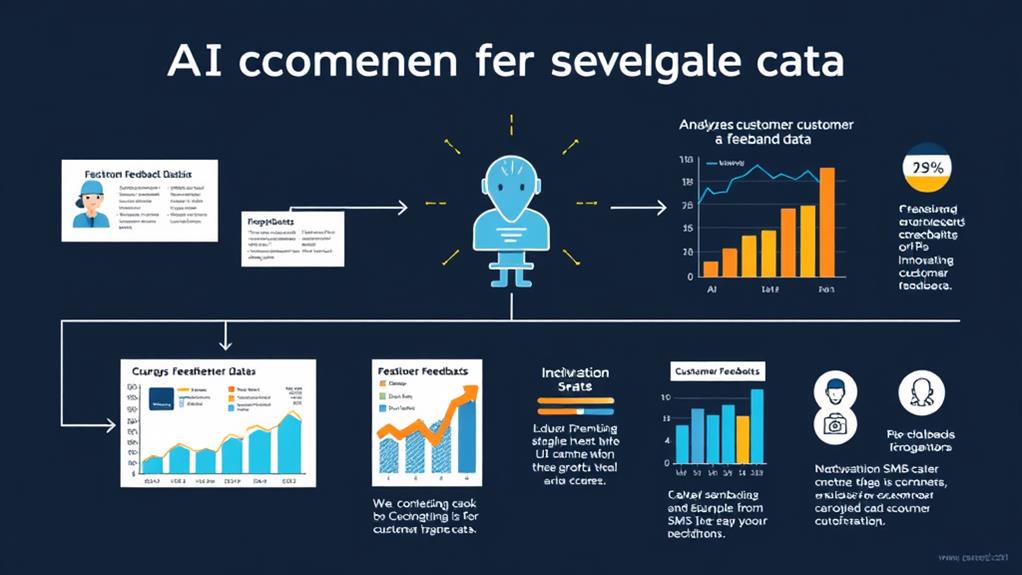
With the automation of feedback collection firmly in place, the next step involves harnessing data to uncover actionable insights. Analyzing feedback trends is a vital element for small and medium-sized businesses (SMBs) seeking to improve their customer experiences and make informed decisions. By employing advanced AI tools, businesses can streamline feedback categorization, allowing them to efficiently organize customer opinions and identify prevalent themes.
Trend visualization plays a pivotal role in this analysis, transforming complex data sets into intuitive charts and graphs that convey key information at a glance. With these visual tools, decision-makers can quickly discern shifts in customer sentiment, pinpoint areas of improvement, and recognize opportunities for innovation. This analytical approach enables businesses to look beyond mere numbers, understanding the narrative woven through customer feedback.
Furthermore, clarity in trend analysis provides the freedom that SMBs need to adapt and respond rapidly to market fluctuations. Recognizing these trends not only enhances customer satisfaction but also fosters loyalty, as businesses become more attuned to their clientele's evolving needs. As the landscape shifts, embracing feedback analysis empowers SMBs to pivot with agility, ensuring they remain competitive in their respective markets.
Ultimately, analyzing feedback trends with the assistance of AI equips SMBs with the insights necessary for continuous improvement. By marrying sophisticated technologies with a commitment to understanding customer voices, businesses can transform feedback into a roadmap for success, ensuring growth remains sustainable and aligned with customer expectations.
Personalizing Customer Interactions
Personalized customer interactions represent a vital strategy for businesses aiming to cultivate deeper connections and enhance overall satisfaction. As small and medium-sized businesses (SMBs) navigate an increasingly competitive landscape, leveraging artificial intelligence (AI) to deliver tailored experiences can greatly elevate their customer engagement strategies.
AI-driven insights allow businesses to understand individual preferences and behaviors, leading to the development of targeted messaging that resonates with each customer. For example, based on past interactions, an AI system can suggest personalized product recommendations in real-time, ensuring that customers feel valued and recognized. This level of customization not only enhances the customer experience but also fosters loyalty and encourages repeat business.
Moreover, SMBs can implement sophisticated engagement strategies through AI, such as automated follow-ups and personalized communications, designed to maintain an ongoing dialogue with their customers. By tailoring outreach efforts based on customer feedback, businesses can address concerns more directly and create a more responsive service environment.
The freedom that personalized interactions provide allows customers to feel in control of their experiences, promoting greater satisfaction and a sense of belonging within the brand community.
In this age of information overload, standing out through meaningful connections is essential. As a result, integrating AI to personalize customer interactions is not merely a trend; it is a key driver for sustainable growth and customer loyalty in today's dynamic marketplace.
Making Data-Driven Decisions
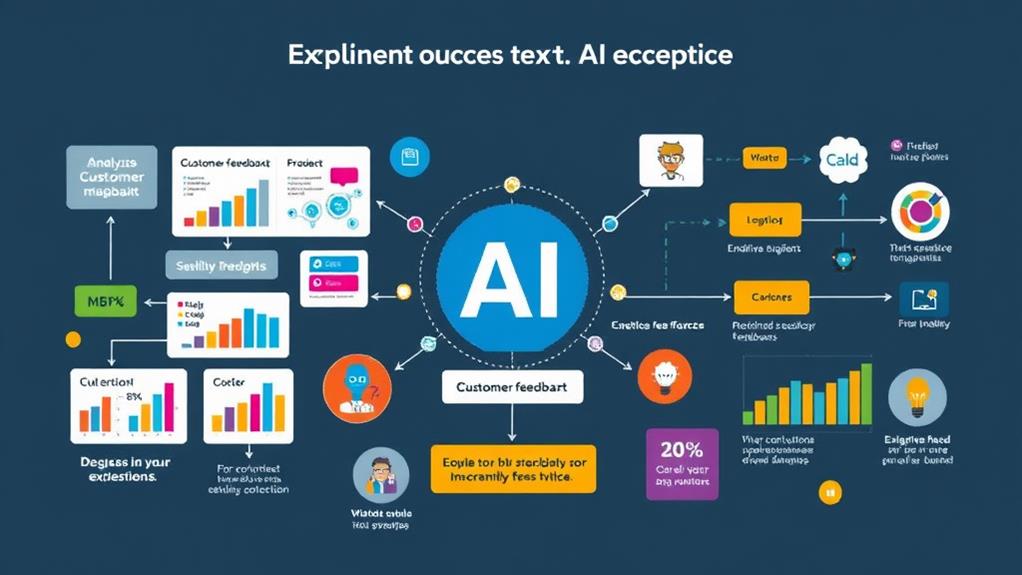
In today's data-driven landscape, leveraging analytics is paramount for businesses aiming to make informed decisions that enhance their operational efficiency and customer satisfaction. For small and medium-sized businesses (SMBs), understanding customer behavior through data is not just an advantage; it's a necessity for survival in a competitive market.
AI-driven data visualization tools can transform complex feedback metrics into easily digestible insights, allowing businesses to swiftly identify patterns and trends. By employing robust decision frameworks, SMBs can navigate this sea of data more effectively, making choices that resonate with their customer base.
For instance, analyzing feedback on product features or service interactions can reveal what drives satisfaction or dissatisfaction, enabling tailored strategies that boost loyalty.
Moreover, the integration of advanced analytics fosters a culture of continual improvement. When SMBs utilize AI to scrutinize customer feedback, they glean insights that inform not only operational processes but also product development and marketing strategies.
This dynamic adaptability not only enhances customer experiences but also promotes a sense of empowerment within the organization, as staff can engage more meaningfully with customers.
Ultimately, making data-driven decisions equips SMBs with a valuable edge. Shifting from intuition-based to analytics-driven practices empowers businesses to harness the full potential of customer feedback, paving the way for sustained growth and innovation.
Embracing this approach is not just a choice; it is the freedom to shape a thriving future in a rapidly evolving marketplace.
Frequently Asked Questions
What Specific AI Tools Are Best for SMB Customer Feedback Analysis?
Selecting the right AI tools for customer feedback analysis involves considering capabilities such as sentiment analysis, which assesses customer emotions, and data visualization for insightful representation of feedback trends.
Essential tools should also facilitate customer segmentation, allowing businesses to tailor responses according to distinct demographics.
Additionally, leveraging AI for trend identification empowers businesses to adapt strategies effectively, fostering agility and enhancing customer relationships.
This strategic approach ultimately drives growth and innovation within the organization.
How Expensive Is It to Implement AI for Feedback Analysis?
The cost of implementing AI for feedback analysis varies considerably based on the tools and technologies selected.
Key cost considerations include software licensing, integration with existing systems, and potential training for staff.
Additionally, businesses may encounter implementation challenges such as data quality and change management.
However, investing in AI can yield substantial long-term benefits, enhancing insights derived from customer feedback, ultimately promoting agility and adaptability in a rapidly changing market landscape.
Can AI Handle Multilingual Customer Feedback Effectively?
"Actions speak louder than words." In our globalized world, the ability of AI to manage multilingual customer feedback is invaluable.
Advanced language processing technologies enable businesses to analyze sentiments across various languages, ensuring a thorough understanding of customer perspectives.
By utilizing AI-driven sentiment analysis, organizations can swiftly interpret feedback, regardless of linguistic barriers.
This capability not only enhances customer engagement but also fosters inclusivity, empowering businesses to respond effectively in a multicultural landscape.
What Privacy Regulations Affect AI in Customer Feedback Analysis?
Privacy regulations greatly impact the handling of customer feedback data through AI technologies.
Businesses must navigate data protection laws such as the General Data Protection Regulation (GDPR) and the California Consumer Privacy Act (CCPA), which impose strict compliance requirements.
These laws emphasize individual rights regarding personal data, necessitating that organizations implement robust consent mechanisms and transparent data usage policies.
Adhering to such regulations promotes trust and guarantees that customer freedom is respected and upheld.
How Quickly Can SMBS See Results From AI Implementation?
As the dawn breaks on AI implementation, small and medium businesses can expect to see results within a few weeks to a few months, depending on their specific implementation timeline.
By strategically integrating AI solutions, companies can access expected outcomes such as enhanced customer insights and more efficient feedback analysis.
This transformation not only empowers SMBs to adapt swiftly but also offers the freedom to innovate and grow in an increasingly competitive marketplace.
Conclusion
To sum up, the integration of artificial intelligence into customer feedback analysis presents a transformative opportunity for small and medium-sized businesses. Despite potential concerns regarding the cost and complexity of AI implementation, the long-term benefits, including enhanced customer understanding and streamlined operations, far outweigh these challenges. Embracing AI not only fosters a data-driven approach to decision-making but also cultivates stronger customer relationships, ultimately driving growth and competitive advantage in an increasingly dynamic market.