How to Use Customer Advocacy in Your Marketing Strategy
To effectively use customer advocacy in your marketing strategy, start by identifying your most enthusiastic customers who genuinely promote your brand. Foster strong relationships with these advocates through transparency and engagement. Create compelling content that resonates emotionally, utilizing testimonials and user-generated content across social media to amplify authentic voices. Incorporate advocacy elements in your email marketing to enhance connection and engagement. Measure the impact of your advocacy efforts by tracking engagement rates and conversions, making adjustments as necessary. By nurturing these connections, your brand can cultivate loyal advocates, leading to increased trust and credibility—there's much more to discover about this powerful strategy.
Key Takeaways
- Identify and nurture customer advocates by analyzing satisfaction metrics, social media engagement, and loyalty program participation to enhance brand loyalty.
- Create engaging content using storytelling and authentic testimonials to resonate emotionally with your audience and deepen connections.
- Leverage social media by sharing user-generated content and encouraging interactive campaigns to amplify customer voices and foster community engagement.
- Partner with influencers to gain authentic social proof, enhancing trust through genuine experiences shared with their followers.
- Measure advocacy impact through engagement metrics, referral statistics, and sentiment analysis to continually optimize your advocacy initiatives.
Understand Customer Advocacy

Customer advocacy represents a powerful force in the domain of marketing strategy, serving as the cornerstone for building lasting relationships between brands and their consumers. It transcends traditional marketing by actively engaging customers who can become vocal supporters of your brand. In a world where choices are plentiful, fostering genuine customer loyalty becomes vital. Advocates are not merely passive recipients of marketing messages; they are empowered individuals who actively promote your brand, sharing their positive experiences and influencing others.
At the heart of customer advocacy lies brand trust. This trust is nurtured through transparency, authenticity, and a commitment to delivering value. When customers believe in what a brand stands for, they are more likely to remain loyal, choosing your product or service over competitors. This loyalty transforms into enthusiasm, encouraging advocates to share their journeys and experiences, therefore amplifying your brand's voice in the marketplace.
Brands that cultivate advocates not only benefit from free word-of-mouth marketing but also gain invaluable insights into their customer base. Engaging with advocates can reveal unmet needs and preferences, allowing brands to innovate and tailor their offerings to enhance satisfaction.
Ultimately, understanding customer advocacy is essential for any brand aiming for longevity in today's competitive landscape. By prioritizing customer loyalty and fostering brand trust, businesses can harness the potential of their advocates, creating a cycle of engagement that fuels growth, enhances brand reputation, and champions a more liberated consumer experience.
Identify Your Advocates
Identifying advocates within your customer base is a crucial step in leveraging the power of customer advocacy for your brand's success. Understanding who your advocates are allows you to harness their enthusiasm effectively, transforming their experiences into compelling narratives that resonate with potential customers.
Start by determining the characteristics of your advocate personas. These are the individuals who not only appreciate your products but actively promote them, creating a ripple effect within their networks.
To discover these key supporters, consider implementing the following engagement strategies:
- Survey Feedback: Use customer satisfaction and feedback surveys to identify those who express high levels of enthusiasm for your brand. Look for compliments and referrals as strong indicators of advocacy.
- Social Media Monitoring: Pay attention to your brand mentions across social media platforms. Fans who engage with your content, share it, or frequently comment positively are likely advocates.
- Loyalty Programs: Evaluate the participation in loyalty programs. Customers who frequently engage with benefits and promotions may exhibit advocacy tendencies, as their loyalty often stems from genuine satisfaction.
Once you've identified your advocates, nurture these relationships. Acknowledging their support and creating opportunities for them to share their experiences will ultimately liberate your marketing initiatives, revealing new avenues for growth.
Fostering genuine connections will inspire advocates to remain loyal and fervently promote your brand to others.
Create Engaging Content

Creating engaging content is essential for fostering strong customer advocacy, as it allows brands to connect deeply with their audience.
By employing storytelling techniques that resonate, leveraging impactful visual content, and encouraging user-generated media, businesses can cultivate an authentic narrative that inspires loyalty.
It's not just about marketing; it's about building community and trust through meaningful interactions.
Storytelling Techniques That Resonate
A compelling narrative serves as the heartbeat of effective marketing, transforming mundane messages into memorable experiences.
By weaving stories that foster an emotional connection, brands can resonate deeply with their audience, cultivating an environment of trust and loyalty.
To create engaging content, consider the following storytelling techniques:
- Highlight Relatable Experiences: Share customer journeys that reflect your audience's challenges and triumphs. When potential customers see their own lives in these stories, they feel understood and valued.
- Use Authentic Voices: Incorporate testimonials and anecdotes from real customers. Authenticity resonates; it shows that your brand listens and cares, paving the way for a genuine emotional connection.
- Create a Narrative Arc: Frame your stories with a beginning, middle, and end. This structure keeps your audience engaged, guiding them through relatable challenges toward hopeful resolutions, encouraging them to envision their own success with your product or service.
Visual Content for Impact
The power of visual content lies in its ability to convey complex messages quickly and effectively, fostering engagement in a way that text alone often cannot achieve. By leveraging visual storytelling, brands can create compelling narratives that resonate deeply with their audiences, sparking a genuine connection that aligns with their desire for authenticity and freedom.
Impactful graphics serve as a universal language, transcending barriers and making information more digestible. Images, infographics, and videos not only illustrate your message but also evoke emotions, making your brand memorable. When customers see their stories visually represented, it reinforces their advocacy, inspiring others to engage.
Integrating customer testimonials through visually appealing formats amplifies your marketing strategy. Consider using high-quality photos of satisfied customers alongside their quotes, creating an emotionally rich visual context. Such dynamic elements foster trust, encouraging prospects to envision themselves benefiting from your product or service.
To harness the full potential of visual content, focus on creating visuals that align with your brand's message and values. By consistently refining your visual storytelling approach, you'll empower your audience to share and advocate for your brand, paving the way for deeper relationships and remarkable success.
User-Generated Media Strategies
Harnessing the power of visual content naturally leads to the exploration of user-generated media strategies, which capitalize on the authentic voices of your customers.
Embracing the freedom offered by these strategies not only enhances customer engagement but also builds community trust around your brand. By promoting user-generated content, you allow your customers to uplift your brand message organically.
To effectively leverage user-generated media, consider the following strategies:
- Influencer Partnerships: Collaborate with influencers who resonate with your target audience. Their authentic endorsements can inspire trust and drive engagement.
- Content Curation: Showcase customer-created content on your platforms, creating a sense of shared ownership of the brand. Highlighting their contributions fosters a deeper connection.
- Interactive Campaigns: Create contests or prompts that encourage your audience to share their experiences. This not only generates rich content but also nurtures a community spirit.
These approaches promote a culture of collaboration and authenticity, leading to sustainable growth for your business.
Leverage Social Media
In today's digital era, social media serves as a powerful conduit for customer advocacy, enabling brands to amplify authentic voices and foster community engagement. By strategically leveraging platforms like Instagram, Facebook, and Twitter, businesses can build genuine connections with their audience, showcasing real-life experiences that resonate deeply with potential customers.
One of the most effective strategies in this domain is forming influencer partnerships. Collaborating with individuals who authentically align with your brand can offer unparalleled social proof. When an influencer shares their positive experience with your product or service, it not only engages their followers but also creates a ripple effect of trust. People are naturally inclined to seek out recommendations from credible sources.
Consequently, empowered advocates can transform your marketing narrative, shifting the focus from your brand's sales pitch to authentic experiences that resonate with an audience craving freedom in their choices.
Moreover, social media provides an interactive platform for customer testimonials and user reviews. Encouraging satisfied customers to share their stories amplifies your message organically, fostering community trust and credibility. This collective voice of advocates acts as persuasive social proof, effortlessly showcasing the value and reliability of your offerings.
In leveraging social media for customer advocacy, businesses must prioritize authenticity and engagement. By allowing genuine voices to emerge while partnering with influencers, brands can create a powerful narrative that not only captivates but also inspires the autonomy of consumers in making informed choices.
Ultimately, this approach can greatly enhance brand loyalty and drive sustainable growth in a competitive marketplace.
Encourage User-Generated Content
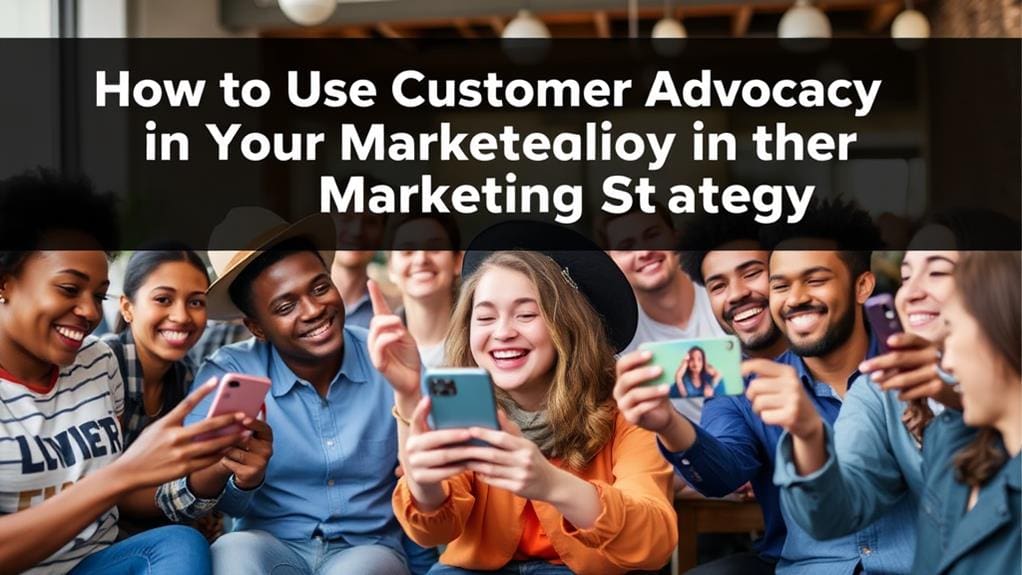
Ninety-two percent of consumers trust user-generated content (UGC) more than traditional advertising, highlighting its pivotal role in modern marketing strategies.
Companies seeking authentic engagement and conversion can foster a vibrant community by encouraging UGC. By leveraging your audience's creativity, you not only showcase your brand in action but also cultivate trust among prospective customers enthusiastic for genuine endorsements.
To start harnessing the power of UGC, consider implementing the following tactics:
- Content Contests: Create fun and engaging contests that encourage customers to share their experiences with your product. Offer enticing prizes to incentivize participation and showcase the most creative entries on your platforms, turning your followers into brand advocates.
- Feedback Incentives: Encourage consumers to leave reviews, photos, or videos by providing incentives such as discounts or loyalty points. This not only garners diverse perspectives but also nurtures a sense of belonging among your customers, as they feel valued and heard.
- Social Media Features: Regularly highlight user-generated posts across your marketing channels. Giving your customers a platform to share their journey fosters community spirit and encourages more participation, amplifying the reach of your brand.
Embracing user-generated content empowers your marketing strategy by transforming customers into genuine advocates. As they share their voices, your brand story unfolds authentically, inviting more individuals to join the conversation.
In a world where freedom of expression matters, UGC not only humanizes your brand but also forges lasting connections with your audience.
Develop Case Studies
Case studies serve as powerful testimonials that showcase the real-world impact of your products or services through the lens of satisfied customers.
By identifying success stories and structuring compelling narratives, you not only highlight the value you provide but also create relatable content that resonates with potential clients.
Engaging with these narratives not only fosters trust, but also positions your brand as a leader in customer advocacy.
Identifying Success Stories
Success stories serve as compelling evidence of a brand's value and efficacy, illustrating real-world impact through customer experiences. Identifying and showcasing these stories is essential for demonstrating how your products or services positively influence customer journeys.
By focusing on tangible success metrics, you can craft narratives that resonate deeply with your audience.
To effectively identify success stories, consider the following:
- Engagement with the Product: Look for customers who have engaged extensively with your offerings and can articulate their transformations.
- Tangible Results: Focus on users who can quantify their outcomes. Metrics such as increased revenue, improved efficiency, or enhanced satisfaction provide concrete validation of your brand's impact.
- Diverse Experiences: Seek out stories from a range of customer profiles. Diverse perspectives will allow potential clients to envision their own paths to success with your brand.
Structuring Compelling Narratives
Once you have identified compelling success stories, the next step is to structure them into narratives that capture attention and drive engagement. A powerful case study goes beyond mere facts; it embodies a narrative structure that resonates with your audience's desires and aspirations.
By weaving a tale that highlights challenges faced, solutions implemented, and ultimate successes, you can create a relatable journey that invites your audience into the experience.
Incorporate emotional appeal throughout your story. Whether it's the relief of overcoming obstacles, the joy of newfound freedom, or the empowerment of achieving goals, evoke feelings that align with your audience's values.
Craft each section thoughtfully—begin with a gripping introduction, follow with detailed challenges, and culminate in a resolution that showcases the transformative impact.
Utilizing customer anecdotes can enhance authenticity, making the narrative more relatable and trustworthy. As your audience connects emotionally with these stories, they become advocates themselves, inspired to share their own experiences and engage with your brand.
In this way, structured narratives don't just inform; they inspire action and cultivate lasting relationships.
Implement Customer Testimonials

Harnessing the power of customer testimonials can greatly amplify your marketing strategy, fostering trust and credibility among potential clients. When people hear real stories from satisfied customers, it activates genuine emotions and encourages them to take action.
By showcasing authentic voices, you create a connection that traditional advertising often fails to achieve.
To effectively implement customer testimonials, consider these three key testimonial formats:
- Written Testimonials: These can be displayed prominently on your website or in marketing materials. Make sure they are concise yet impactful, focusing on specific benefits clearly articulated by your customers.
- Video Testimonials: Capture the essence of authentic voices through video, allowing viewers to see and hear the passion of your satisfied customers. This format adds a layer of relatability and transparency, enhancing emotional engagement.
- Case Studies: Dive deeper into customer experiences by sharing detailed narratives of their journey with your products or services. This format allows you to highlight specific challenges and how your offering provided a solution, showcasing the transformative power of your brand.
Use Advocacy in Email Marketing
Incorporating customer advocacy into your email marketing strategy can greatly enhance engagement and drive conversions. By leveraging the voices of satisfied customers, you create a powerful channel that resonates with your audience's desire for authenticity and connection. Advocacy not only builds trust among potential buyers but also establishes a sense of community, reinforcing the freedom each customer feels in their choices.
Utilizing effective email segmentation strategies allows you to target your audience more precisely. Segmenting your list based on past purchases, preferences, and engagement levels helps guarantee that your messages speak directly to the needs of each group.
When you combine segmentation with personalized messaging techniques, you craft emails that reflect real customer experiences. For instance, sharing genuine testimonials or success stories from similar customers can be particularly impactful.
Imagine receiving an email where a fellow customer highlights how your product transformed their daily routine. Such relatable narratives engage readers emotionally, encouraging them to see themselves in those success stories. This advocacy not only nurtures leads but also offers existing customers the freedom to share their own experiences, fostering a deeper connection with the brand.
In this fast-paced digital world, customers crave authenticity. By weaving advocacy into your email marketing, you transform your messages into genuine conversations, compelling readers to not just click, but to act.
This approach not only drives conversions but cultivates lasting relationships built on trust and shared experiences.
Measure Advocacy Impact
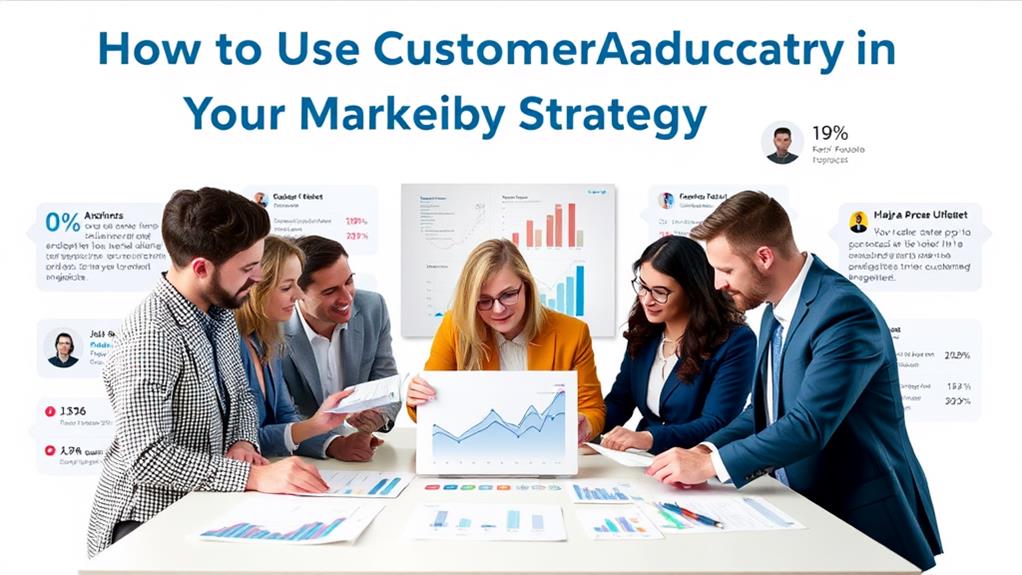
Understanding the impact of customer advocacy on your marketing efforts is essential for driving meaningful results. By measuring advocacy metrics, businesses can glean insights that inform strategic decisions. This impact analysis helps you tailor your approach, ensuring that customer voices resonate in your brand's narrative.
To effectively evaluate the impact of your advocacy efforts, consider focusing on these critical areas:
- Engagement Rates: Track how engaged your advocates are across various channels. Higher engagement can correlate with increased brand loyalty and deeper connections with your audience.
- Referral Statistics: Monitor the volume of referrals generated by advocates. This not only signifies trust but also directly contributes to conversion tracking, highlighting the tangible benefits of customer advocacy.
- Sentiment Analysis and Customer Feedback: Analyzing customer sentiment can reveal the emotional connection advocates have with your brand. Positive feedback acts as a powerful tool for building authenticity and trust, while negative sentiments offer opportunities for improvement.
Investing time in ROI measurement not only validates the effectiveness of your advocacy initiatives but also uncovers growth opportunities. By regularly evaluating these performance indicators, your brand can foster meaningful relationships, enhance engagement, and ultimately drive conversions.
The freedom to innovate and adapt in response to advocacy impact empowers your marketing strategy, aligning your business with the voices that truly matter—your customers.
Foster Ongoing Relationships
Building strong, ongoing relationships with customers is essential for sustaining advocacy and enhancing long-term brand loyalty. Emphasizing relationship building through proactive engagement tactics fosters a sense of belonging that customers crave. This connection not only nurtures trust development but also transforms customers into passionate brand ambassadors, enthusiastic to share their experiences.
Creating effective feedback loops allows for meaningful conversations, helping you to listen deeply to your customers' needs and aspirations. This responsiveness not only demonstrates that you value their opinions but also empowers them, reinforcing their freedom to express thoughts and suggestions.
Implementing personalized communication shows that you see them as individuals rather than mere transactions. Tailored messages resonate better, enhancing the emotional connection and increasing customer loyalty.
Moreover, engaging customers through community involvement initiatives cultivates a shared purpose. Participation in local events, charity drives, or social causes not only bolsters your brand's image but also connects your customers to a larger community.
When customers feel like integral parts of something greater, their loyalty deepens.
Frequently Asked Questions
How Do I Identify My Target Audience for Customer Advocacy?
Identifying your target audience for customer advocacy involves a thorough demographic analysis to uncover key characteristics such as age, location, and interests.
Additionally, examining engagement metrics will reveal which customer segments are actively interacting with your brand.
What Tools Can Help Manage Customer Advocacy Programs?
Managing customer advocacy programs can be greatly enhanced by utilizing dedicated advocacy software. These tools facilitate the tracking of engagement metrics, allowing for insightful analysis of customer interactions.
Incorporating feedback loops guarantees that advocates feel heard, fostering deeper relationships. Additionally, showcasing success stories can inspire potential advocates and strengthen community ties.
Implementing these resources empowers your organization to create a robust advocacy program that champions customer voices and fosters a culture of appreciation.
Can Advocacy Be Applied to B2B Marketing as Well?
Is not a sturdy bridge built on the trust of its pillars?
Similarly, advocacy can be a powerful tool in B2B marketing, fostering trust building imperative for B2B success.
By showcasing authentic customer experiences and testimonials, businesses can enhance credibility and form deeper relationships with prospects.
When clients feel valued and heard, they are more likely to engage, leading to growth and a vibrant corporate community rooted in shared success.
How Frequently Should I Engage With My Customer Advocates?
Engaging with customer advocates is paramount to maintaining a strong relationship and leveraging their influence.
Aim for regular advocate engagement, ideally on a quarterly basis, to gather insights and feedback. This frequency fosters a sense of community and encourages advocates to share their experiences.
What Are the Risks of Relying Too Much on Customer Advocacy?
Relying solely on customer advocacy can be akin to painting a masterpiece with a single color; while it may create a vivid image, it risks overlooking the nuances that contribute to depth.
An over-dependence on advocates might create a skewed perception of customer trust and brand reputation, potentially alienating others.
Balancing advocacy with diverse marketing strategies guarantees a robust approach, fostering inclusivity while maintaining the authenticity that ultimately resonates with a broader audience's desire for authenticity.
Conclusion
To summarize, customer advocacy serves as a powerful ally in the field of marketing strategy, illuminating pathways to deeper connections and enhanced brand loyalty. By cultivating advocates and harnessing their authentic voices, organizations can transcend traditional promotional tactics. The symbiotic relationship forged with customers not only enriches marketing efforts but also fosters a community where trust thrives. Embracing these advocates transforms customer interactions into meaningful narratives that resonate, ultimately guiding brands toward enduring success and shared prosperity.